
Marching bands, Divine Nine step performances, and boundless Black culture are central to the social fabric of Historically Black Colleges and Universities (HBCUs). Yet, uplifting academics is the foundation of the collective HBCU institution.
Bridging Structural Holes, Inc., led by its founder and CEO, Darryl Roberts, continues to expose youth and adults alike to the rich history and opportunities of HBCUs, which have produced some of the world’s great thinkers and scholars. Since its inception in 2020, the Harlem-based nonprofit has endeavored to connect marginalized groups to critically important educational and socio-economic resources while staunchly advocating for and supporting HBCUs.
One of the vehicles by which Roberts, a native and lifelong resident of Harlem, has accomplished this goal is the Harlem Renaissance Classic. This Saturday at Manhattan University, located in the Riverdale section of the Bronx, the event will be held for the fifth time, with the annual centerpiece being two basketball games at Draddy Gymnasium featuring HBCUs.
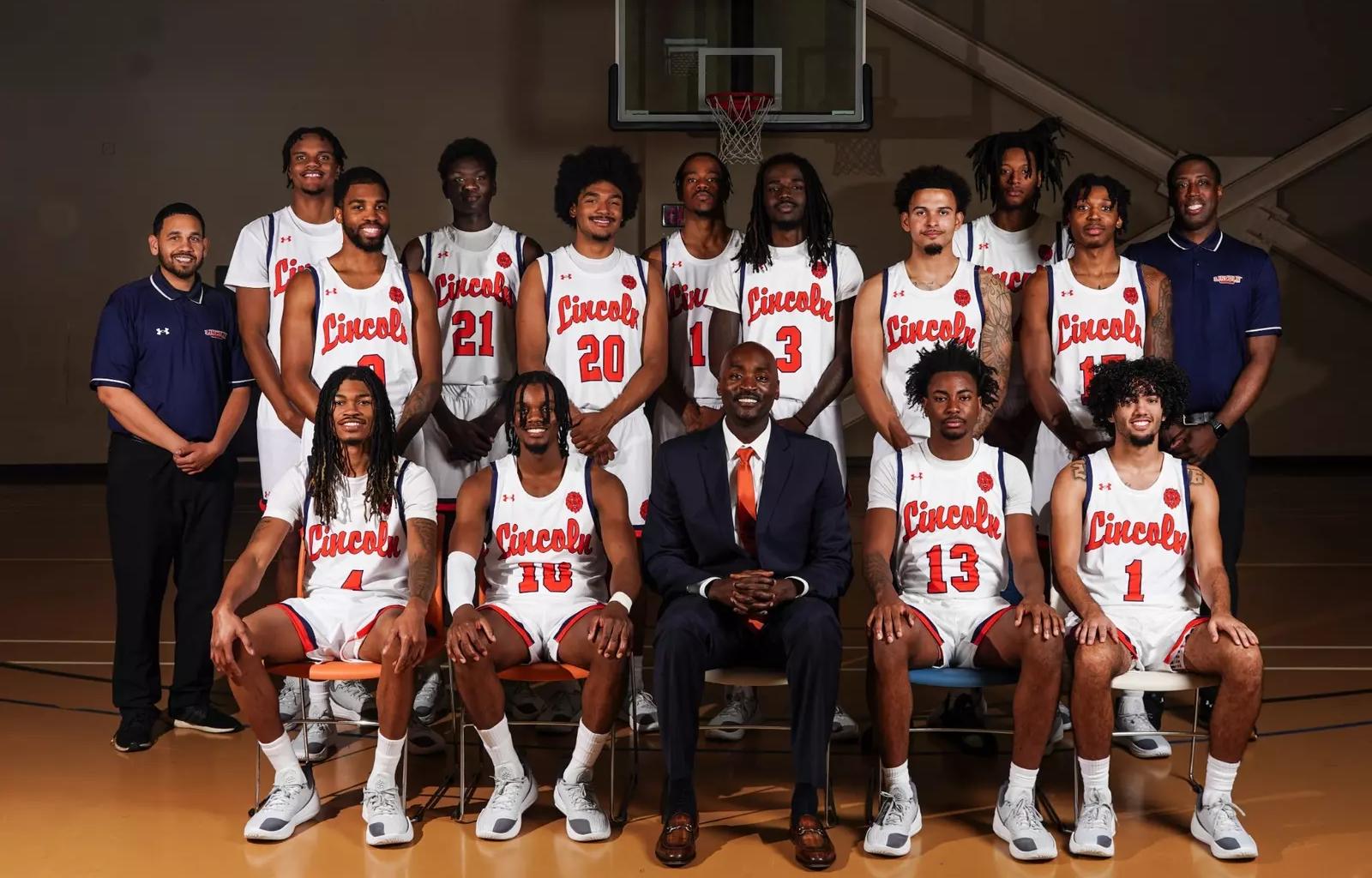
At 1:00 p.m., the Bowie State University Bulldogs will face the Saint Michaels University Knights, and at 3:30 p.m., the 2024 CIAA men’s champion Lincoln University Lions will take on the Queens College Knights. Tickets are $15 per attendee, and free parking will be available on Manhattan College Parkway. Proceeds from the Classic will be allocated to the Academic Enrichment, Youth Sports, and Cultural Programming of Bridging Structural Holes, Inc. The games will stream on HarlemRenaissanceClassicLive.com.
Presentations on the legacies of HBCUs, information on applying to HBCUs, financial assistance, and mental health awareness will be among the interactive activities of the day, which begins at 11 a.m.
Roberts has noted, “Athletics have long been deeply rooted in the Black community and Black culture. Basketball has been a source of providing free education to a multitude of young men and women through scholarships who might otherwise not have been able to afford higher education.
“It is also a pathway to success in many careers inside and outside of sports,” Roberts, a Lincoln University alumnus, expanded. “So we see it as a means for potentially creating generational achievement.”
Like this:
Like Loading…
Related