
Some people consider homeowner associations basically neighborhood monarchies, where a council of wizards meets monthly to determine whether your trash can’s 3-inch visibility from the street has disrupted the cosmic balance, all while sending you threatening letters signed “Warmest Regards.”
In a particular Alexandria HOA, things really got out of hand, even making headlines this week in The New York Times in a story by reporter Elizabeth Williamson, due to an ongoing feud between a homeowner and some of his neighbors.
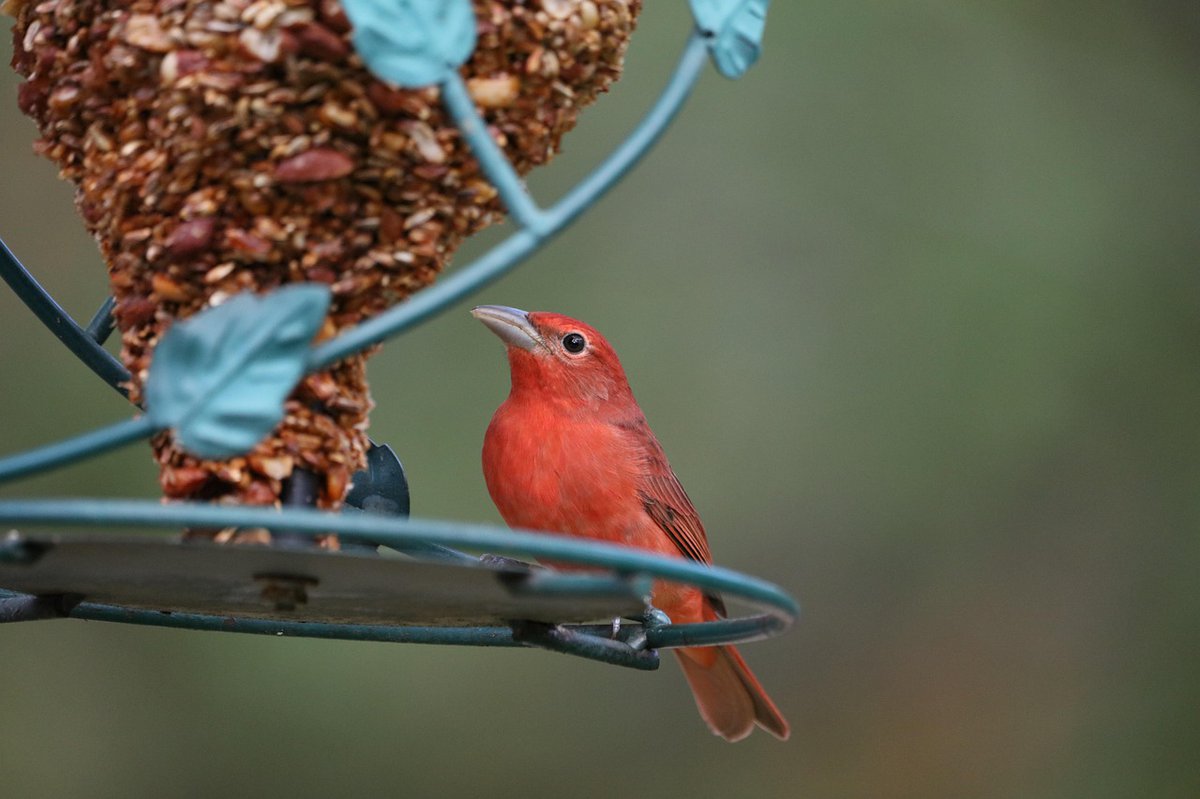
Potomac Yard’s 89 pages of rules ban garden sheds, jungle gyms, sandboxes, awnings, clotheslines, birdhouses, birdbaths and feeders, The New York Times noted.
The homeowner in question displayed political campaign signs, installed four bird feeders and planted cartoon garden flags in his front yard. After eventually gaining a seat on the HOA board, he began digging into governing documents and the board said they were soon paying massive legal bills and seeing meetings turn rather ugly.
The article chronicles the back-and-forth between the homeowner and some of his neighbors in a saga that began in 2021; his detractors even created a website, now archived, in efforts to oust their fellow HOA board member.
Earlier this year, the homeowner sued the HOA in Alexandria Circuit Court. The suit challenged reserved parking spaces and claimed that design provisions in the HOA governing documents did not specifically prohibit garden flags and bird feeders, among other décor.
Last month, the homeowner “notched an incremental victory,” the newspaper reported. On Oct. 8, an Alexandria Circuit Court judge denied the Potomac Yard HOA’s motion to dismiss the case. A trial date is set for April. The homeowner is “ebullient.”
Homeowners Associations in the U.S. trace their roots to early 20th-century planned communities, but they really took off after World War II when suburban development boomed and builders used HOAs to maintain uniform standards and manage shared amenities.
Their growth accelerated in the 1960s and ’70s as federal policies encouraged planned communities, and developers found HOAs useful for shifting infrastructure costs—like roads, parks, and pools—from municipalities to residents.
By the 1980s, HOAs had become a common feature of suburban life, evolving from simple maintenance groups into powerful private governments that regulate everything from architectural styles to mailbox height.
Nov. 20, 2025
5:39 p.m.