
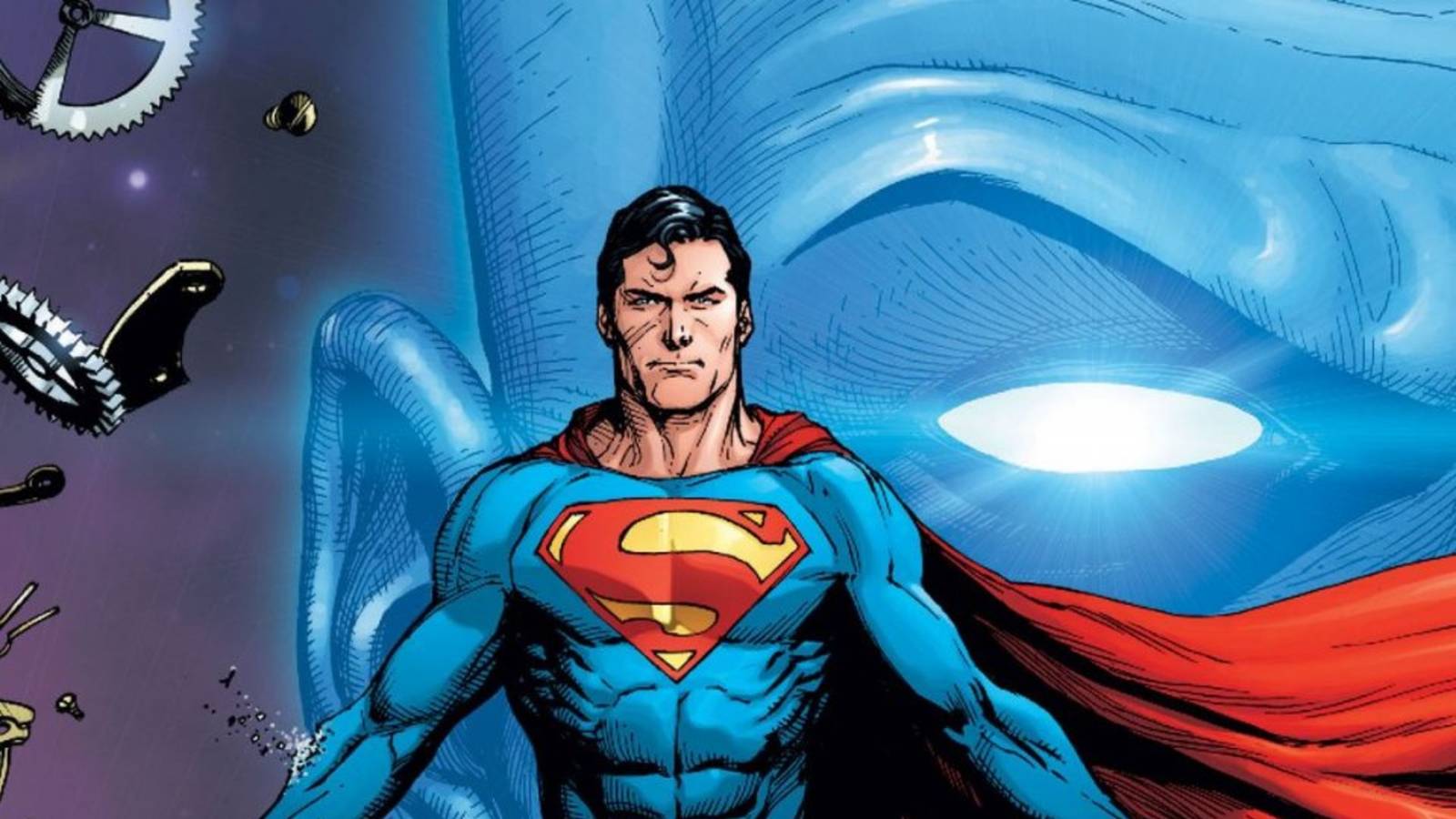
Superman was arguably the worst thing that ever happened to Watchmen. In 2017, DC Comics attempted to integrate Alan Moore’s legendary superhero series into the DC Universe, resulting in the controversial Doomsday Clock series. The consensus about the series, looking back on it now, is that it does neither Watchmen nor DC’s heroes justice.
Doomsday Clock was written by Geoff Johns, with art by Gary Frank. The series was both a sequel to Watchmen and an official DC Universe crossover.
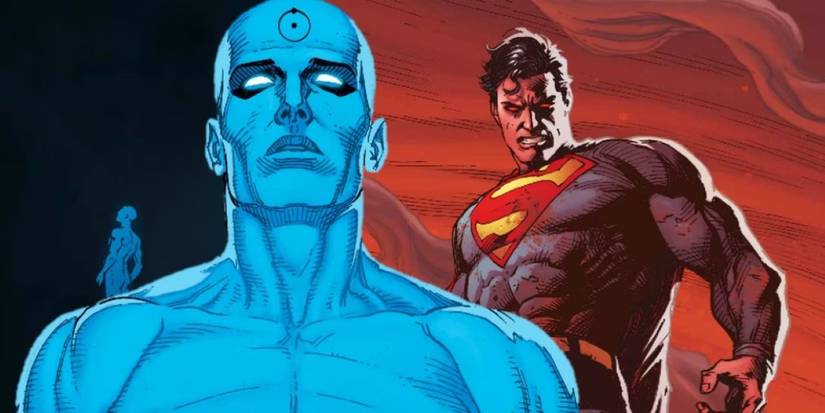
Doomsday Clock Superman and Dr. Manhattan next to each other.
In retrospect, many DC Comics fans are happy to leave Doomsday Clock as a footnote to the publisher’s history, rather than the dawn of a new era it was meant to be.
“Doomsday Clock” Was DC’s Official Crossover With “Watchmen”; Why It Fell Short Of Its Classic Predecessor
Doomsday Clock #1-12, Written By Geoff Johns; Art By Gary Frank
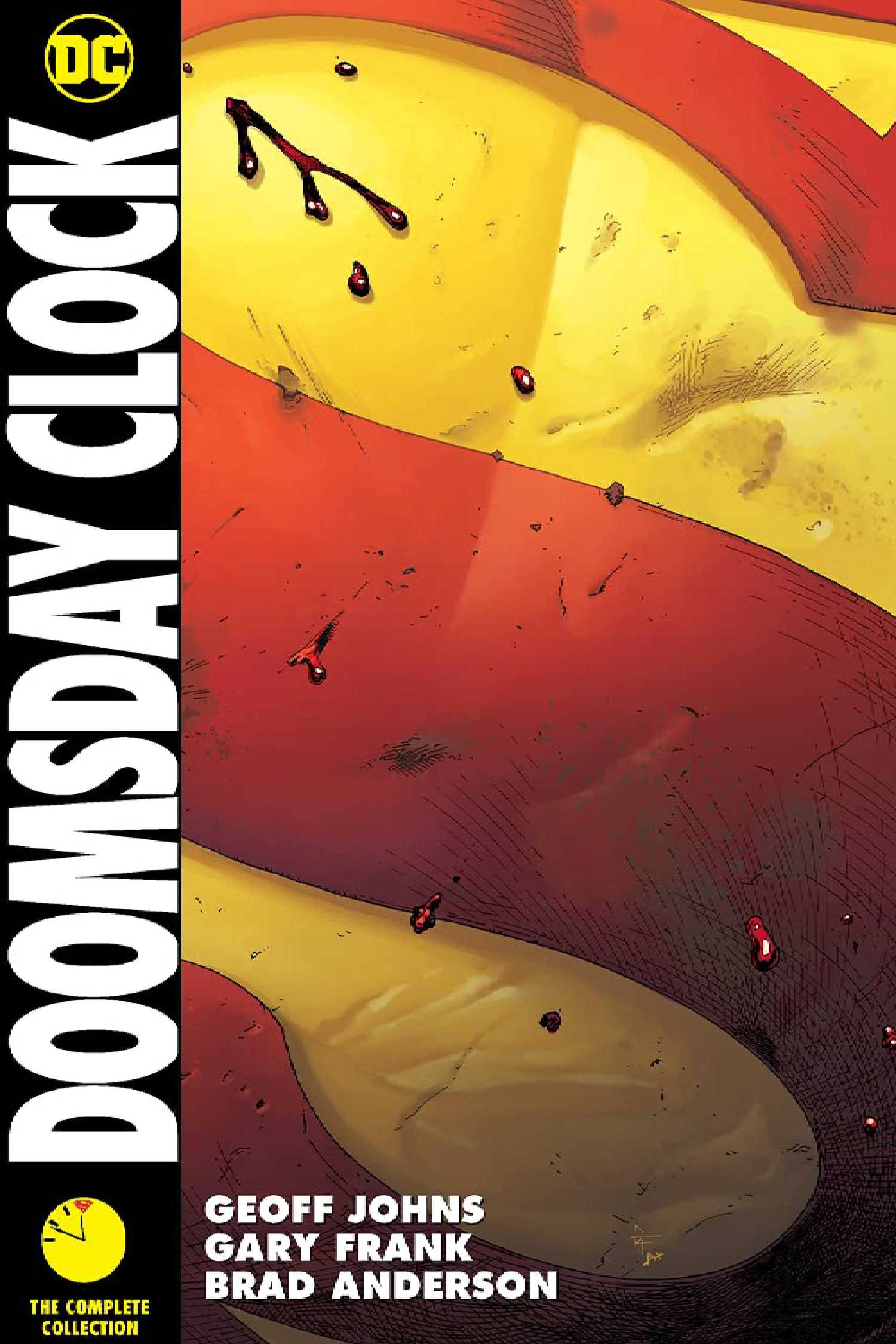
Doomsday Clock #12 cover, close up of Superman’s cape
Doomsday Clock debuted in November 2017, and took just over two years to complete its 12-issue run. It positioned the world of Alan Moore’s Watchmen as one reality in DC’s larger Multiverse. This was an inoffensive move, in its own right, to most comic fans. After all, Moore famously conceived of Watchmen using DC-owned characters.
When all was said and done, though, and Doomsday Clock’s story was completed, the book left plenty of readers dissatisfied, especially those who hold Watchmen sacrosanct as the pinnacle of the superhero genre. Ultimately, the fatal flaw of the series turned out to be its portrayal of its most powerful characters: Superman and Doctor Manhattan.
It’s hard to give a character godlike powers and still write them as a flawed, tragic character, relatable to human readers. Part of Watchmen’s appeal is how effectively it does this with Doctor Manhattan. The best Superman stories achieve a similar feat. Yet it turns out making the two co-exist throws both characters off their equilibrium.
“Doomsday Clock” Is A Fine Superhero Story, But “Watchmen” Is More Than That
The Perils Of Making Alan Moore’s Characters Work In The DC
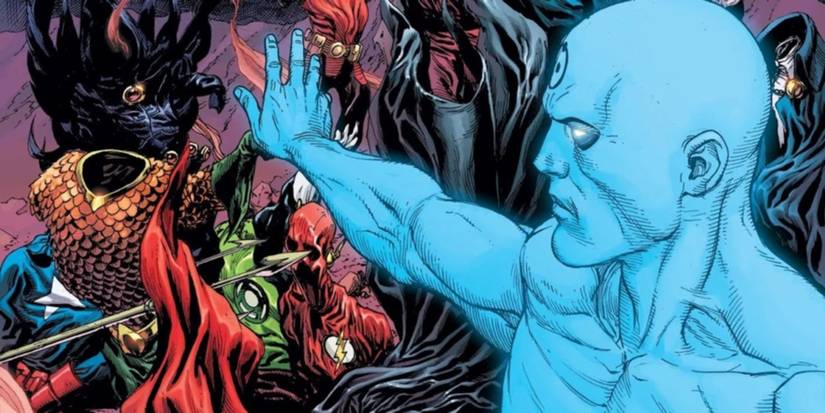
Doctor Manhattan making the heroes of the DC Universe disappear with a wave of his hand
To be clear, Doomsday Clock is not a bad story, in isolation. Geoff Johns knows his way around a superhero story, and that is exactly what Doomsday Clock is. Watchmen was famously author Alan Moore’s deconstruction of the superhero genre. It adhered to a level of “realism” beyond what DC stories offer. Its “sequel” is thoroughly a superhero tale, within DC’s superheroic milieu.
Even when Doomsday Clock uses Watchmen’s characters and concepts well, it uses them for a fundamentally different purpose than they were designed. Doctor Manhattan plays a pivotal role in Doomsday Clock, and as it turns out, he might be the Watchmen character most suited for the DC Universe, but that didn’t make acclimating to it any easier.
Doctor Manhattan is the only character in Watchmen with metahuman powers. So, he fits into the DCU in that regard. Except his purpose as the lone metahuman in Watchman is that he straddles the line between being part of the story, and a passive observer like the reader. Doomsday Clock forces him to come down on one side.
Doctor Manhattan Might Seem Perfect For The DC Universe, But The Truth Is He Didn’t Fit In
DC’s Take On Watchmen’s Metahuman Couldn’t Live Up To The Source Material
Doctor Manhattan’s arc in Watchmen is a meditation on predestination vs. free will. Manhattan views all points on his personal timeline at once. At the series’ climax, he can’t make the heroic decision because he didn’t make it. It’s conceptually and philosophically tricky, but the joy of Watchmen is how effectively Alan Moore and artist Dave Gibbons embody this struggle on the page.
Doomsday Clock recreates the style of Doctor Manhattan’s POV, but doesn’t fully capture its substance. This is one aspect of the series readers tend to react negatively to. Admirers of Moore’s work are also critical of its reversal of Manhattan’s tragic omniscient paralysis. That is, Doomsday Clock makes him choose to be a hero.
Arguably, Doomsday Clock’s greatest “sin” is its ending. After his adventures in the DC Universe, Doctor Manhattan returns to his home continuity, the world of Watchmen, and changes the ending of the original story. Manhattan disarms the nuclear powers of the world, preventing atomic war, and stops Ozymandias from executing his false flag alien attack.
This completely subverts the point of Watchmen. And whose fault is that? Blame Superman. Doomsday Clock is, in a way, the story of Doctor Manhattan learning how to be a hero from Superman. It’s a creative decision that elevates the Man of Steel, certainly, but leaves a sour taste in Alan Moore fans’ mouths.
“Doomsday Clock” Made Superman Doctor Manhattan’s Heroic Role Model
The Man Of Steel Was A Good Influence On Manhattan
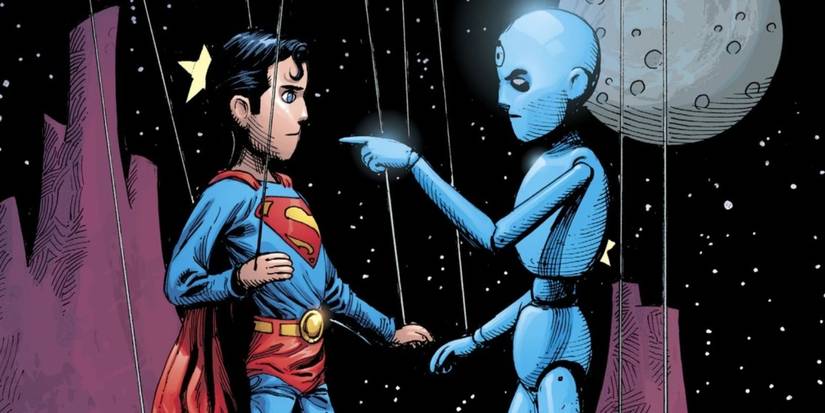
Doomsday Clock, Superman and Doctor Manhattan as puppets on strings
During the final chaotic issue of Doomsday Clock, Doctor Manhattan destroys and recreates the DC Universe. He proves that he is effectively a god, but meeting Superman is what makes him into a hero. Upon returning to the Watchmen timeline, Manhattan adopts a son, names him Clark, and eventually transfers his powers to the boy.
Meaning, Doomsday Clock is also the story of the birth of Watchmen’s Superman. Again, it’s an intriguing premise, but the middling response to Doomsday Clock meant it was one DC never fully followed up on. Now, it’s largely something both DC and Watchmen fans try not to think about if they can avoid it.
Doomsday Clock has its share of fun moments, if readers can approach it as its own distinct superhero story. However, as part of DC canon, and as a Watchmen sequel, it falls short. Superman and Watchmen’s Doctor Manhattan, it turns out, are too similar and insurmountably different at the same time.
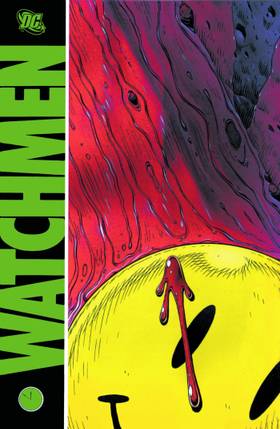
Watchmen 1 Cover DC Comics
First Episode Air Date
October 20, 2019
Cast
Billy Crudup, Patrick Wilson, Malin Akerman, Jackie Earle Haley, Jeffrey Dean Morgan, Carla Gugino, Regina King, Don Johnson, Tim Blake Nelson, Yahya Abdul-Mateen II, Jeremy Irons