
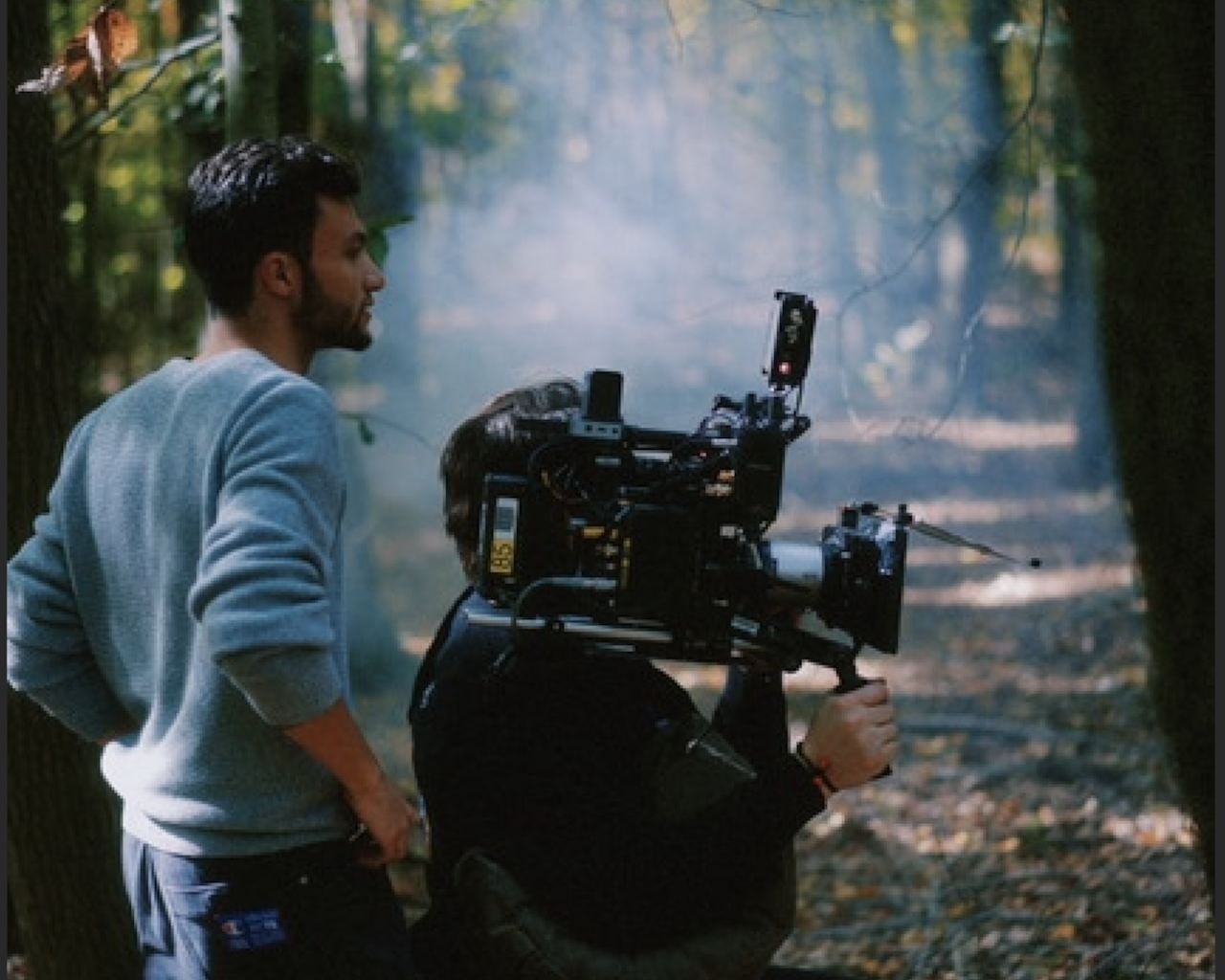
STATEN ISLAND, NY — When asked what type of cinematic shot would encompass all of Staten Island, Brandon Paradise, 21, took a moment to answer.
Paradise, a young filmmaker from Prince’s Bay, grew up observing and idolizing Staten Island’s diversity of people and environments. The perfect shot to encompass all that the island has to offer would be a challenge, but not one he hasn’t thought about before.
After all, has hundreds of ideas he is ready to explore through film.
The Staten Island native is on the verge of graduating from New York University’s Tisch School of the Arts with an undergraduate fine arts degree through their film and television program and is making his mark as an up-and-coming creator. While pursuing his degree, Paradise has had the opportunity to direct six films, and has played behind the scenes roles in dozens more, learning the key aspects of filmmaking. Now, he has returned home to work on his final thesis film.
“The Never-Ending Revenge” explores an anti-war message through the lens of human nature’s tendency toward revenge and the ongoing cycle of violence.
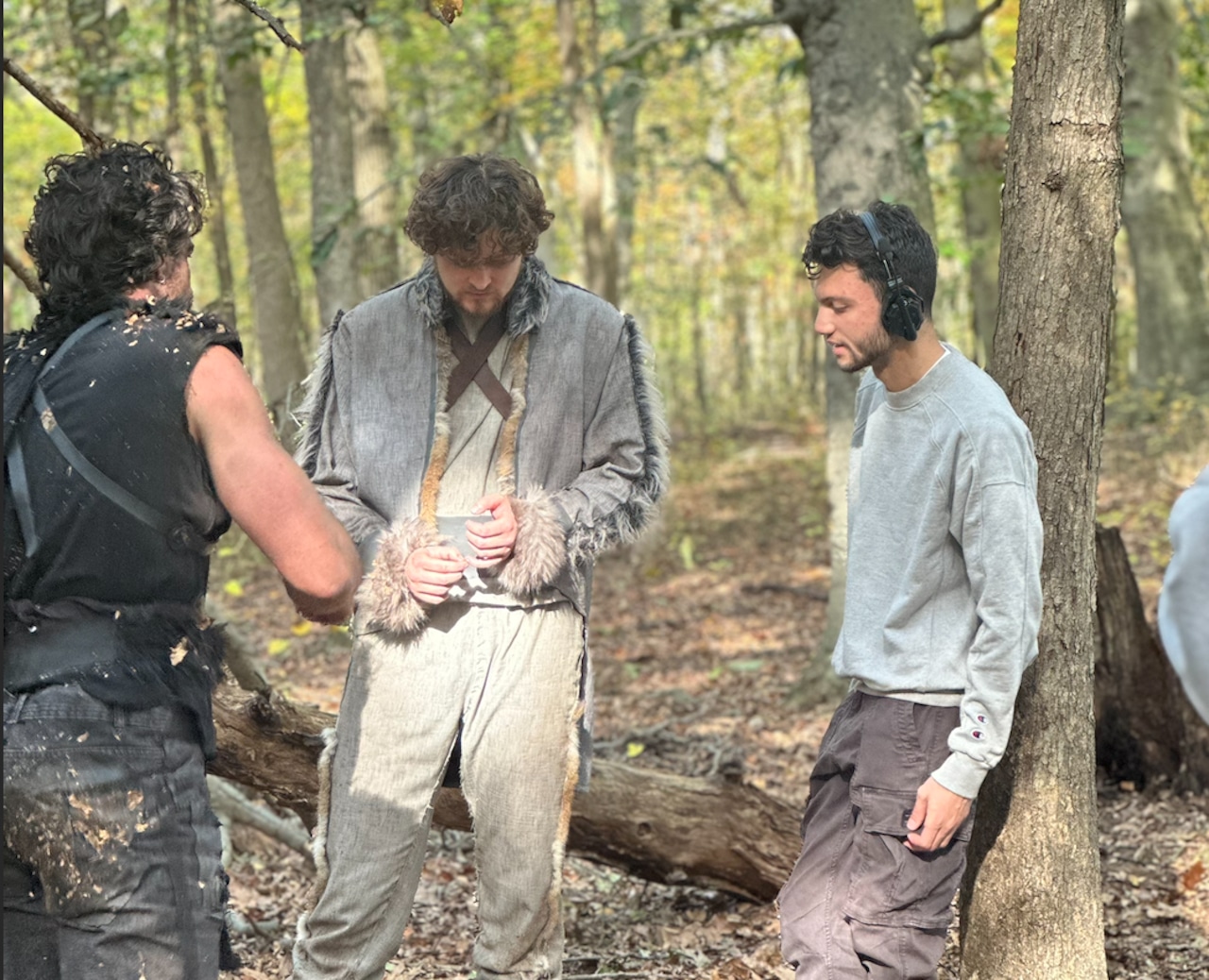 Brandon Paradise’s “The Never-Ending Revenge” utilized local parks to create fictional tribal world, showcasing the borough’s cinematic potential.Courtesy of Tristian Zhu
“It’s to paint a picture of how war only creates more war,” Paradise said. “This idea that war brings an end to war is not necessarily truth.”
The film is an alternate history, featuring two fictional tribes distinguished by black and gray masks. The production required extensive coordination with costume designers, production designers and prop makers to create a believable and dangerous world.
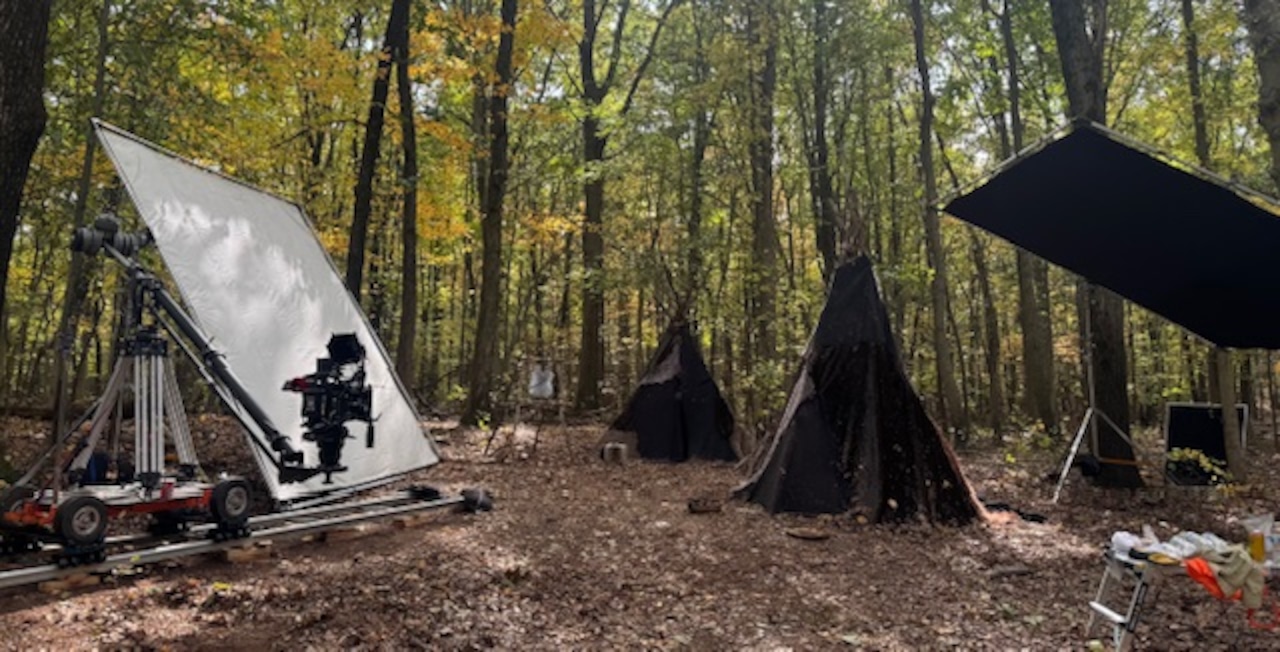 Brandon Paradise’s “The Never-Ending Revenge” utilized local parks to create fictional tribal world, showcasing the borough’s cinematic potential.Courtesy of Tristian Zhu
The lengthy production took advantage of Staten Island’s varied landscapes and parks, including High Rock, Clove Lakes and Mount Loretto, which Paradise cited for their cinematic potential.
“We have the parks, we have the nature, but we also have the grit and the dirt. So I think it’s something about the diversity of people and the diversity of the environment,” he said. “Once you get deep enough into the park, you’re in another world.”
The project, which wrapped earlier this fall, represents a full-circle moment for the young director, who traced the film’s origins to reading All Quiet on the Western Front by Erich Maria Remarque during his time at Staten Island Academy. The book became Paradise’s first exposure to anti-war storytelling that would shape his own film years later.
“This was one of my first ideas for film that I ever had,” he said. “It grew with me as I learned more about storytelling, writing, directing, editing.”
Although Paradise has been making short stop-motion movies with his toys since he was a kid, he cites Mark Weissman, Staten Island Academy’s Chairman of Theatre and Art, as an important influence in his decision to go into filmmaking. “He was the first direct inspiration of a director, someone who directs performance,” he said. “The most valuable thing was just being able to sit there and watch him direct.”
“Even back then, his focus and creative energy set him apart,” Weissman said about his former student in a statement. “You could tell he wasn’t just dreaming about making films, he was already living it.”
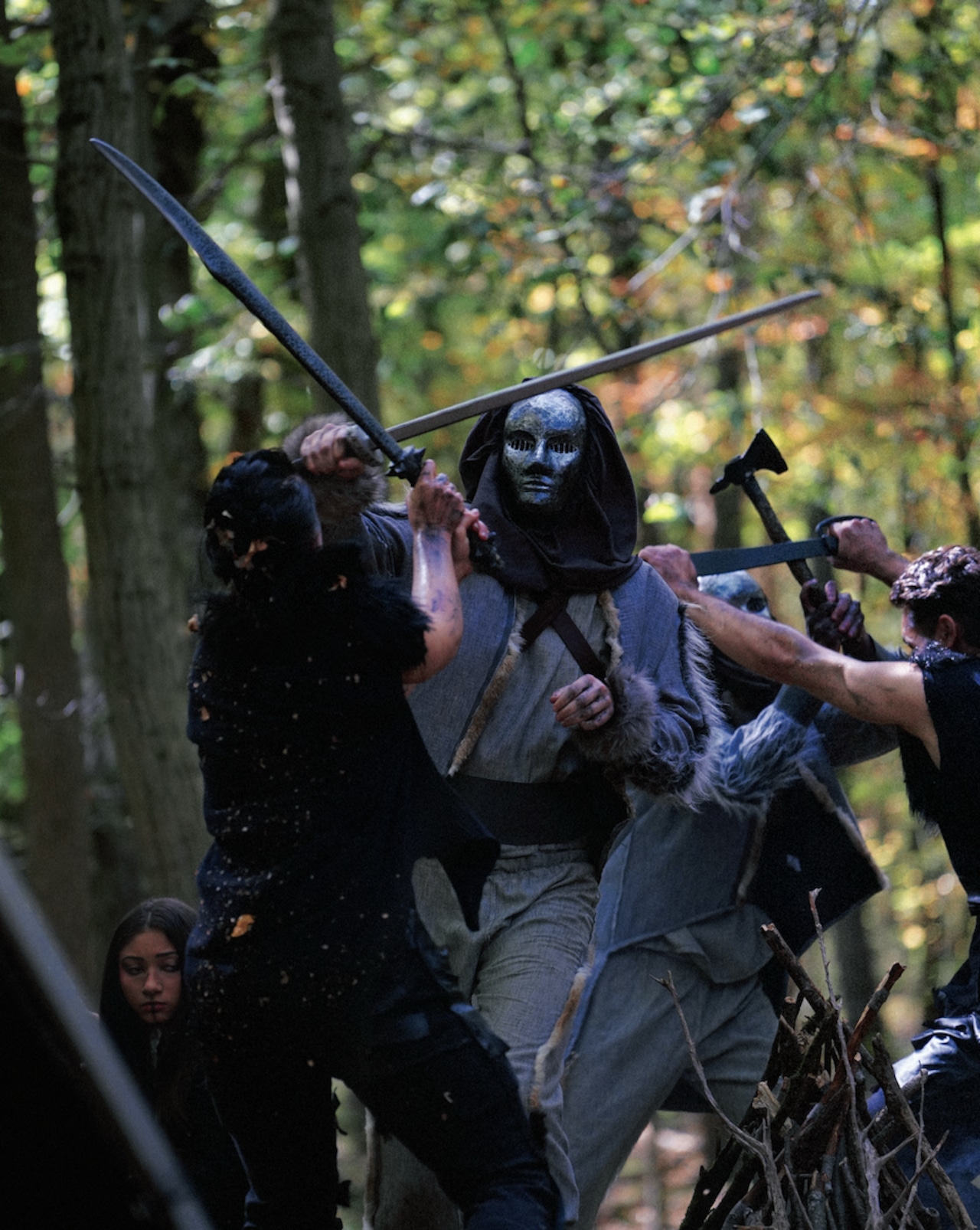 Brandon Paradise’s “The Never-Ending Revenge” utilized local parks to create fictional tribal world, showcasing the borough’s cinematic potential.Courtesy of Tristian Zhu
Although he has years of experience under his belt now, production for this film presented significant challenges for Paradise. The crew, which was made entirely of NYU students, endured 12-hour shooting days and worked through cold, rain, mud and heat.
“There is not one person that was on the set that didn’t say this is the hardest thing I’ve ever done,” Paradise said.
Despite the demanding conditions, he was able to focus heavily on visual storytelling, which he learned to utilize in order to communicate a movie’s message without dialogue.
“If you mute the movie, will the audience be able to understand this movie the same way is a very important thing,” the filmmaker explained.
Paradise is in the process of editing “The Never-Ending Revenge” now, with plans for it to be ready for viewers in the spring. With graduation on the horizon, he hopes this is just the start of his career in film.
“I have a lot more ideas that I want to get out. Most of them are short film ideas, but I know I got to make that feature eventually,” he joked. “I’m always learning. The craft is never learned. No one is a master of this. So I’m always learning how to better myself.”
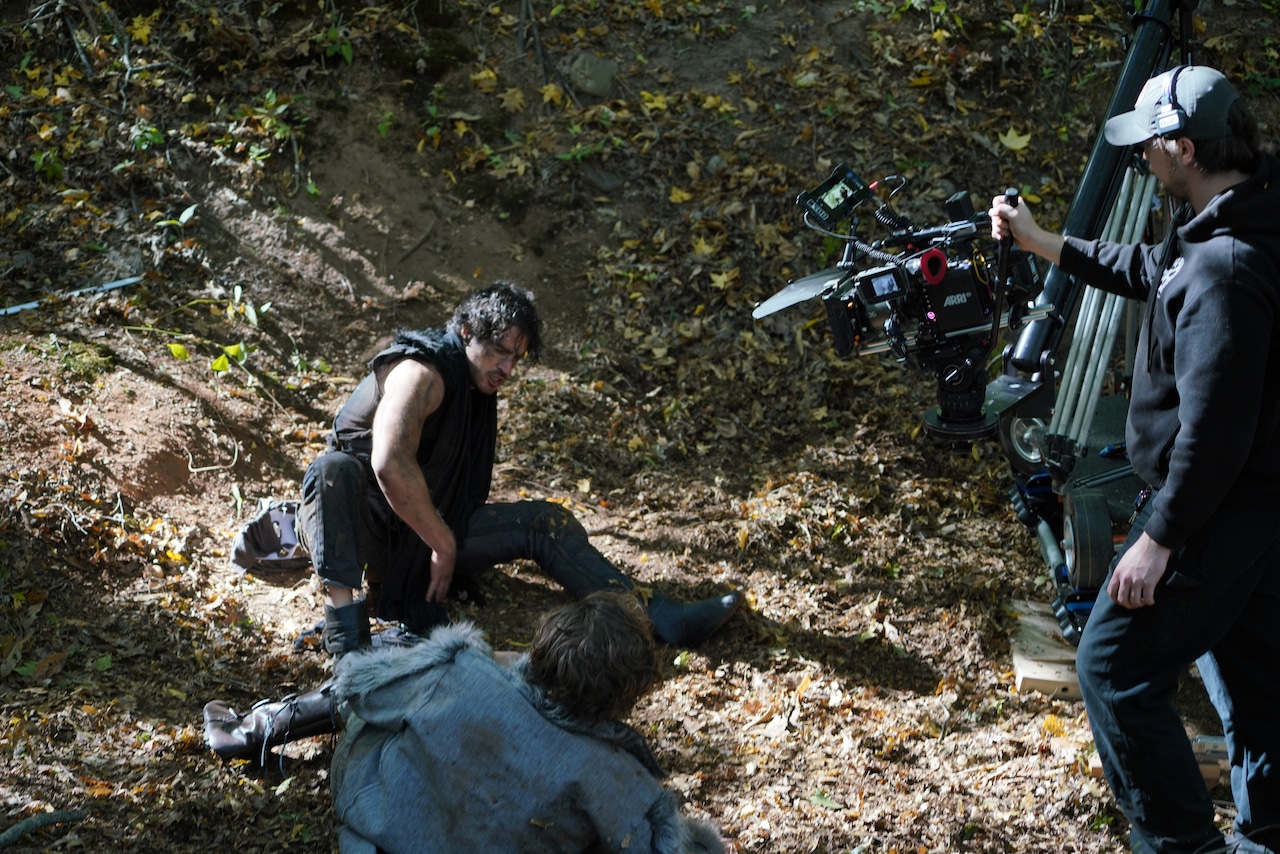 Brandon Paradise’s “The Never-Ending Revenge” utilized local parks to create fictional tribal world, showcasing the borough’s cinematic potential.Courtesy of Tristian Zhu
He plans to come back to Staten Island to film “Wasteland,” another story he has been constructing in his mind for the past few years.
He hopes through these projects and his success, other creatives will begin to see Staten Island as a place for the arts.
“I feel like one thing is that there aren’t many local Staten Island artists, at least that I know about, and I wish that that was different,” Paradise said. “Staten Island can be such a place of expression and artistic creativity, and we have the stories for it.”
For young Staten Island creatives like himself, he offered encouragement: “Don’t be afraid to put yourself and what you’re doing out there, no matter what stage you’re at. As an artist you’re the harshest critic of yourself, and you might not like your work, but I promise you, it’s better than you think.”
Paradise also promises that he will, eventually, get that cinematic shot to summarize Staten Island.
” I love something with the Verrazano-Narrows Bridge. I feel like we give the ferries too much credit. Everyone knows about the ferry, but the Verrazano, there’s something beautiful about it,“ he explained. ”There is something there and I’m going to do this shot.”