
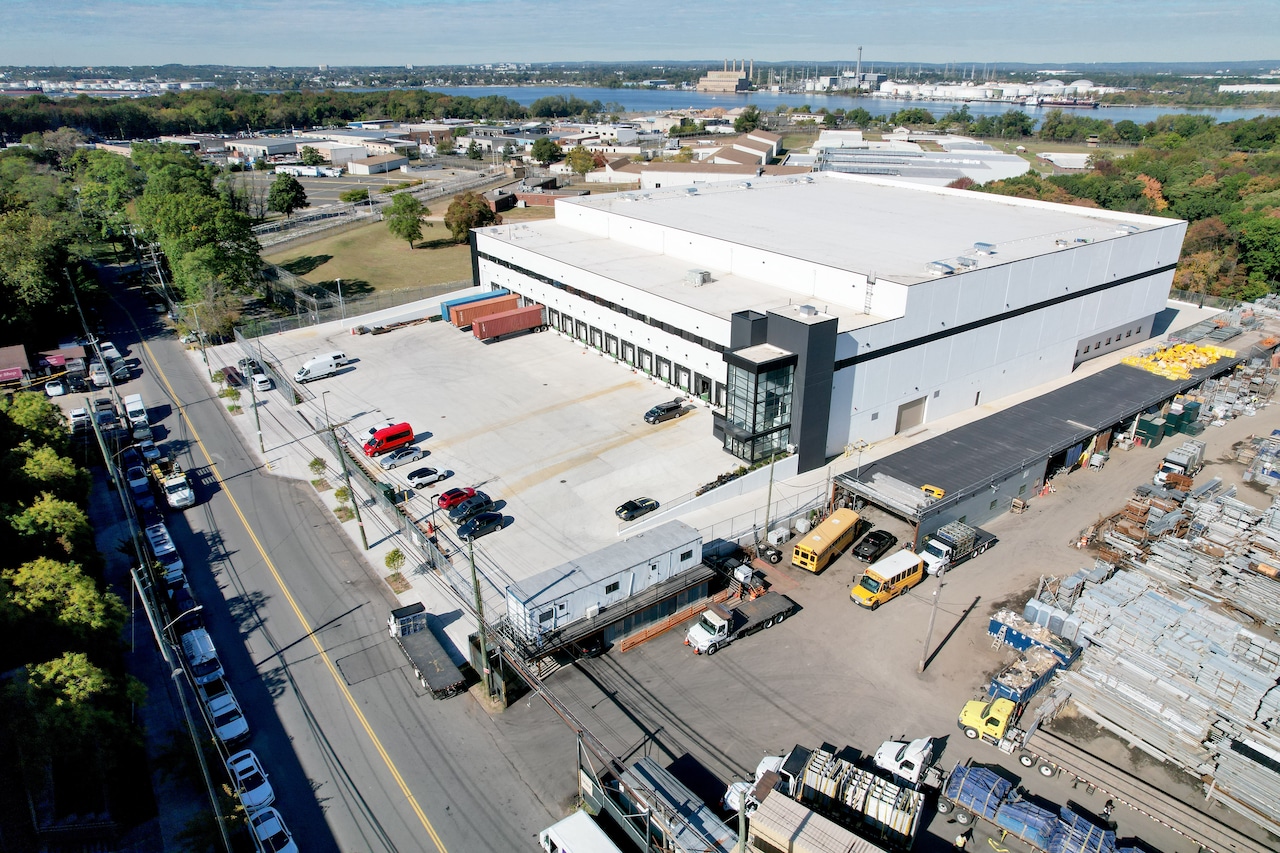
STATEN ISLAND, N.Y. — Four major developments could bring a total of 89 loading docks, parking for 184 tractor-trailer trailers, and an additional 109 municipal vehicles to a winding segment of Arthur Kill Road.
This 2.7-mile stretch — which already sees heavy traffic from a bus depot, salvage yards, towing companies, car storage, and commercial space — will eventually be home to an additional 1.4 million square feet of warehouses and vehicle storage.
According to design documents for the projects, such as the 1 Nassau Place environmental assessment, the developments will not have a serious impact on the local roads and surrounding communities.
“With modest signal timing modifications at the intersection of Arthur Kill Road and Richmond Valley Road, the Proposed Development would not result in significant adverse traffic impact,” stated the assessment.
However, Kevin Garcia, senior transportation planner for the nonprofit group New York City Environmental Justice Alliance, said he believes there will be an impact on area roads.
“In neighborhoods where we’re seeing these facilities cluster, we are seeing increases in vehicular traffic congestion,” said Garcia.
“It’s not just during traditional peak hours, it’s all day, every day that we’re seeing increases in this vehicular traffic,” he continued.
Overall, Garcia said that many parts of the city have seen an increase in truck traffic, specifically in the last five to six years.
These increases have been primarily driven by a rise in online shopping and the industries that support it — like last-mile warehouses and trucking hubs.
As Garcia explained, these projects usually appear in areas that already have an extensive footprint of industry and pollution, such as bus depots, power plants, and major roadways.
These developments are also typically located as close as possible to highways, bridges, and major streets, Garcia explained.
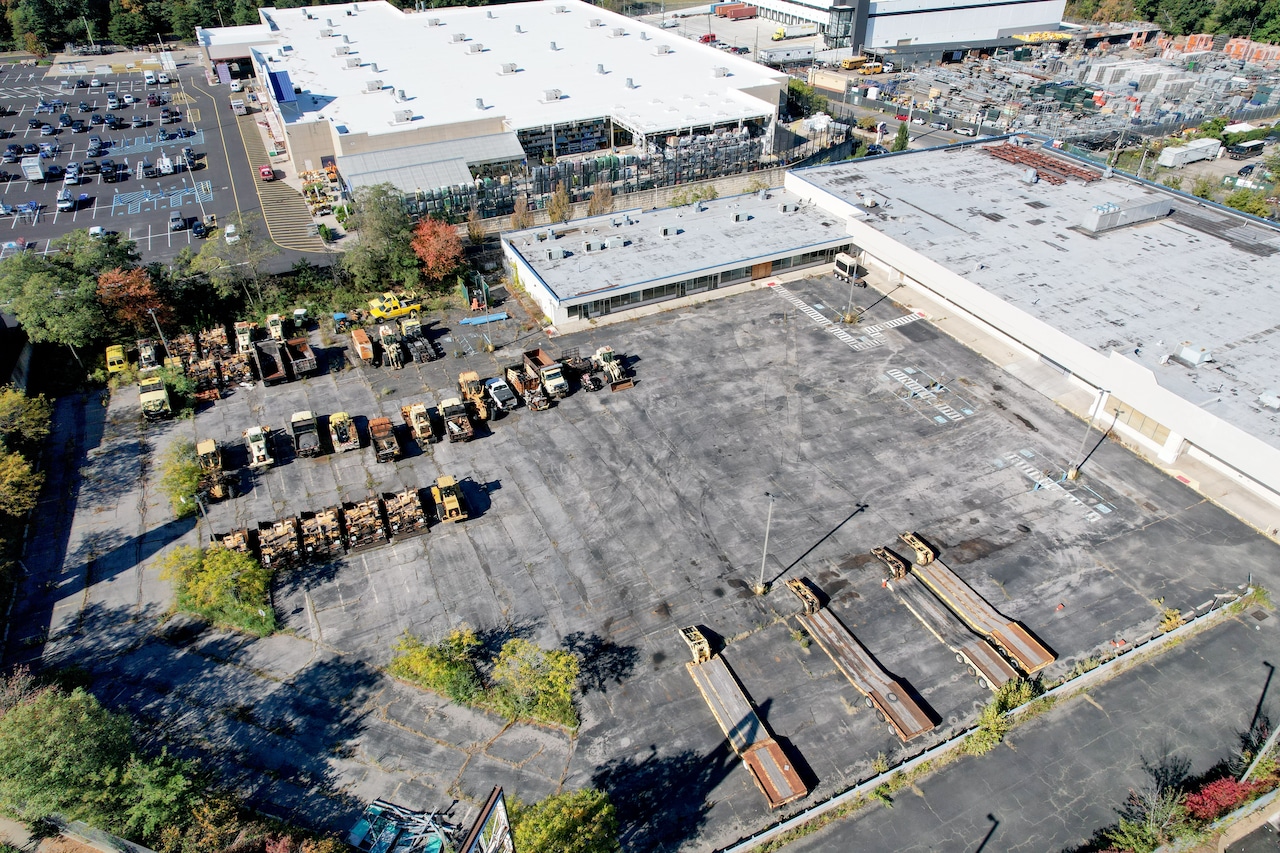 A drone image shows the lot of the former Pathmark in Rossville where the Department of Transportation plans to build a construction maintenance operation site. Friday, Oct. 10, 2025.(Advance/SILive.com | Jason Paderon)
The increased truck traffic that typically follows these facilities, he said, places additional stress on both public infrastructure and budgets.
“What this is leading to is more wear and tear on our highways, more traffic congestion for everyday people. This is also going to lead to more maintenance on these roads, and the funding [for the maintenance] … comes from taxpayers,” Garcia said.
As part of the land use process, developers typically assess a project’s impact on the surrounding area, including local traffic. The evaluations are prepared by engineers using real data.
“This type of calculation is an estimate based on available data and professional judgment of the traffic engineers,” explained Kelly McGuinness, a transportation planner and director of the transportation research program at Hunter College’s Roosevelt House Public Policy Institute.
“Much depends on the specific land use and surrounding use, operational context, empirical data from similar facilities, and some assumptions made by the traffic engineers about travel demand and mode splits,” she continued.
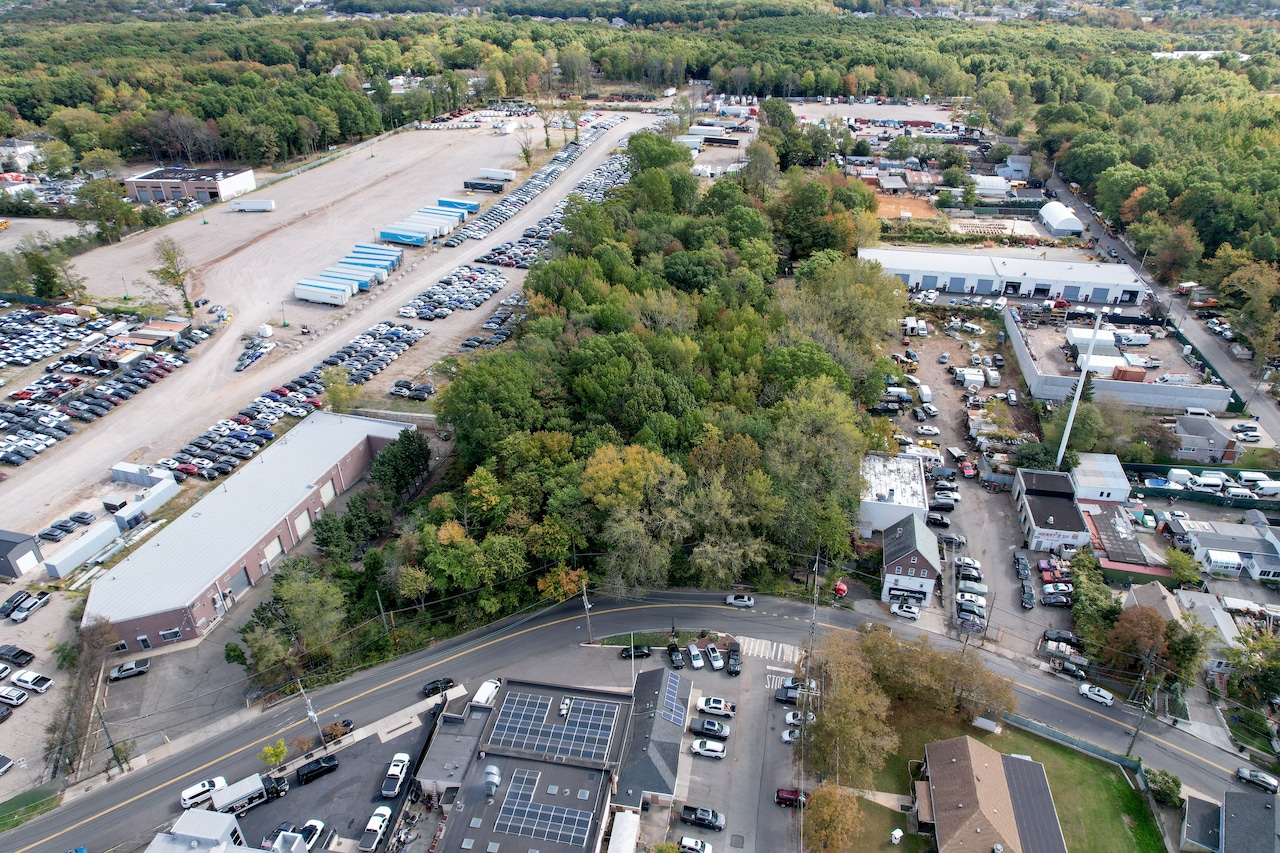 An aerial view of 4400 Arthur Kill Rd. in Charleston where a truck stop is being proposed on a 16-acre vacant lot. Friday, Oct. 10, 2025.(Advance/SILive.com | Jason Paderon)
The builders behind these industrial projects on Arthur Kill Road, such as the planned freight terminal with space for 184 tractor trailers, estimated that the projects will bring a relatively low number of trucks once open.
When planners for the trucking terminal presented their proposal to Staten Island’s Community Board 3, they cited a vehicle count from other truck terminal facilities in Queens and the Bronx.
“Traffic engineers had to go out there with a clicker. They found that on a worst-case scenario the [number of] trips during peak hours were like 33 at the worst. So that’s 15 going in, 17 to 18 going out,” explained Phil Rampulla, an urban planner with Rampulla Associates Architects — the firm that drafted plans for the trucking terminal project.
Similarly, the 1 Nassau project — which features 331,700 square feet of warehouse space and 60 loading docks — is estimated to bring only between 11 and 15 trucks during peak weekday hours.
While planning documents stated that some assumptions were made based on information relating to the Matrix Global Logistics Park in Bloomfield, many of the projections deferred to guidelines in technical manuals.
“What I do know is that it’s really hard to calculate the number of trucks and vans, or even vehicles in general, that are going to and leaving the facility,” Garcia explained, when asked about the planning documents.
This story is part of series investigating the rapid industrial development of Arthur Kill Road. Do you live, work or operate a business near one of these facilities? Contact Jessica Jones-Gorman at jgorman@siadvance.com to voice your concerns or discuss community impact.