
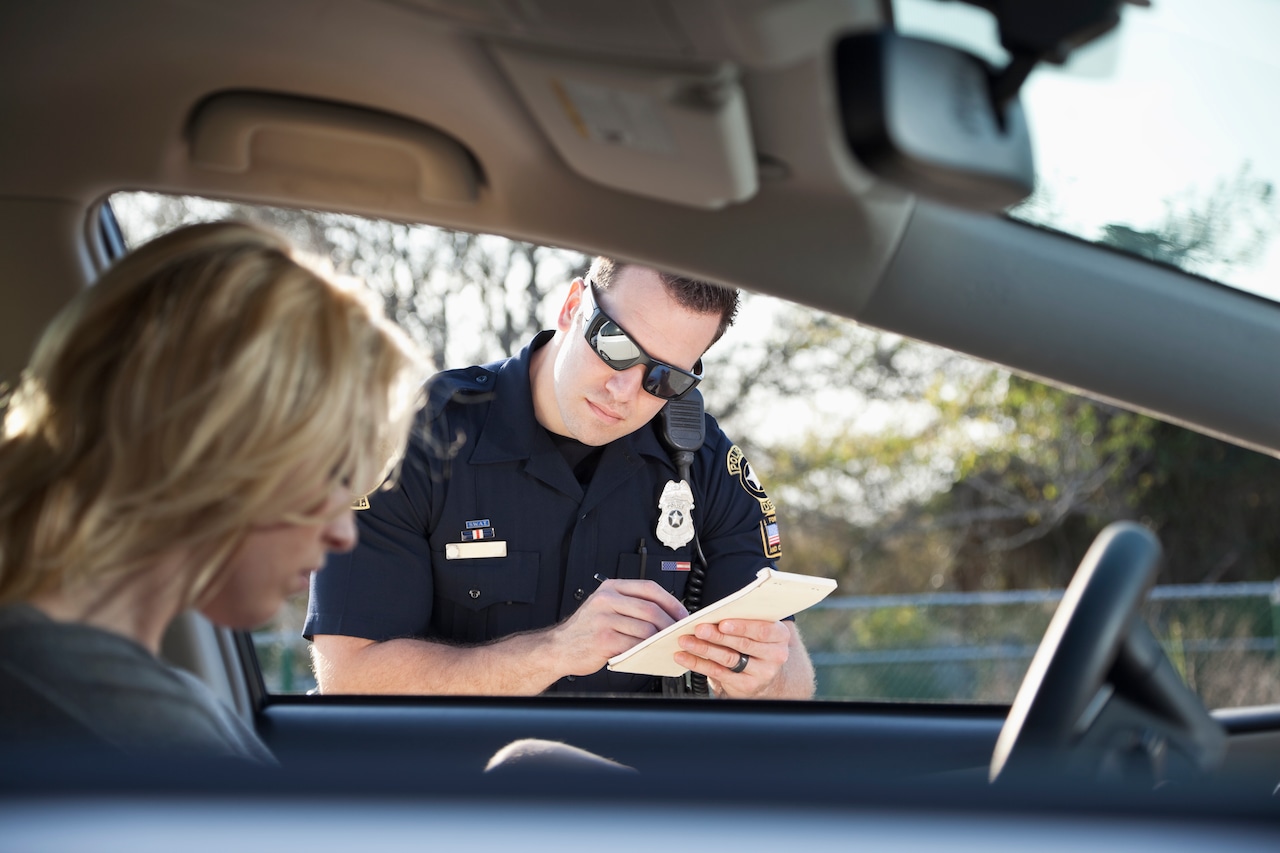
New York State is changing its point system for drivers in 2026, affecting driver’s licenses and potentially car insurance.
According to WHEC and WHAM, the NYS Department of Motor Vehicles’ new rules for points have already been approved the the state legislature and will likely start being enforced in February. One of the biggest changes is how much easier it will be for drivers to accumulate enough penalties to have their license suspended.
According to the DMV, the Driver Violation Point System is designed “to identify and take action against high-risk drivers.” Points are assigned for traffic violations, and currently anyone who gets 11 points in 18 months faces a possible suspension of their driver’s license.
Under the new system, suspension will be possible with 10 points in 24 months. At the same time, many violations are increasing in points.
According to the state’s proposal, the overhauled point system includes the following changes:
— Passing or overtaking a stopped school bus will increase to eight points from five. So will reckless driving, speed contests, speeding in a work zone, and operation or movement of a vehicle exceeding height limitations on highways, bridges, or highway structures, or striking bridges or highway structures.
— Speeding up to 10 miles over the speed limit will be four points, instead of three.
— Using a cell phone while driving will be six points, instead of four, according to WHEC.
— For alcohol-related convictions, the first offense will increase from five points to eight; the second will increase from eight to 11; and the third will increase from 11 to 14.
– Obstructing traffic and illegal U-turns will be two-point violations.
– Failure to move over for emergency vehicles will be a three-point penalty.
Mark Gruba, a communications specialist with AAA Western and Central New York, told WHAM that the update is targeting persistent offenders for alcohol and drug violations, passing stopped school buses, and speeding in construction zones.
“These are situations where drivers put other people’s lives at risk,” Gruba said.
Aaron Pam, a senior associate at Tully Rinckey, told WHEC that every single conviction will impact drivers for longer, from their license to drive to their insurance rates. Even pleading speeding tickets down may still result in points under the new system, which could lead to more revenue for the state.
“A lot more people are willing to pay larger fines in order to find that zero-point plea agreement or in order to make a deal to avoid an eight-point conviction because even one eight-point conviction is going to seriously affect your future,” Pam told WHEC. “Your insurance policy can be cancelled, insurance policy and premiums can be increased based on your bad driving record.”
The NYS DMV is currently undergoing a modernization project, with new computers and technology expected to launch in February. The updated point system is part of the changes, aiming to increase safety and align more closely with neighboring states, the DMV said.
“Increasing the time frame from 18 months to 24 months allows the Department to review a longer period of operation for when administrative action can be taken for a persistent violator, and will result in an increase of about 40% of drivers being classified as persistent violators,” the state’s proposal said. “Increasing the time frame within which an operator can be considered a persistent violator aligns with the legislative objective of sanctioning drivers who commit persistent violations of the law, and ultimately, will modify driver behavior for a longer period of time.”
For more information about the New York State Driver Point System visit dmv.ny.gov.