
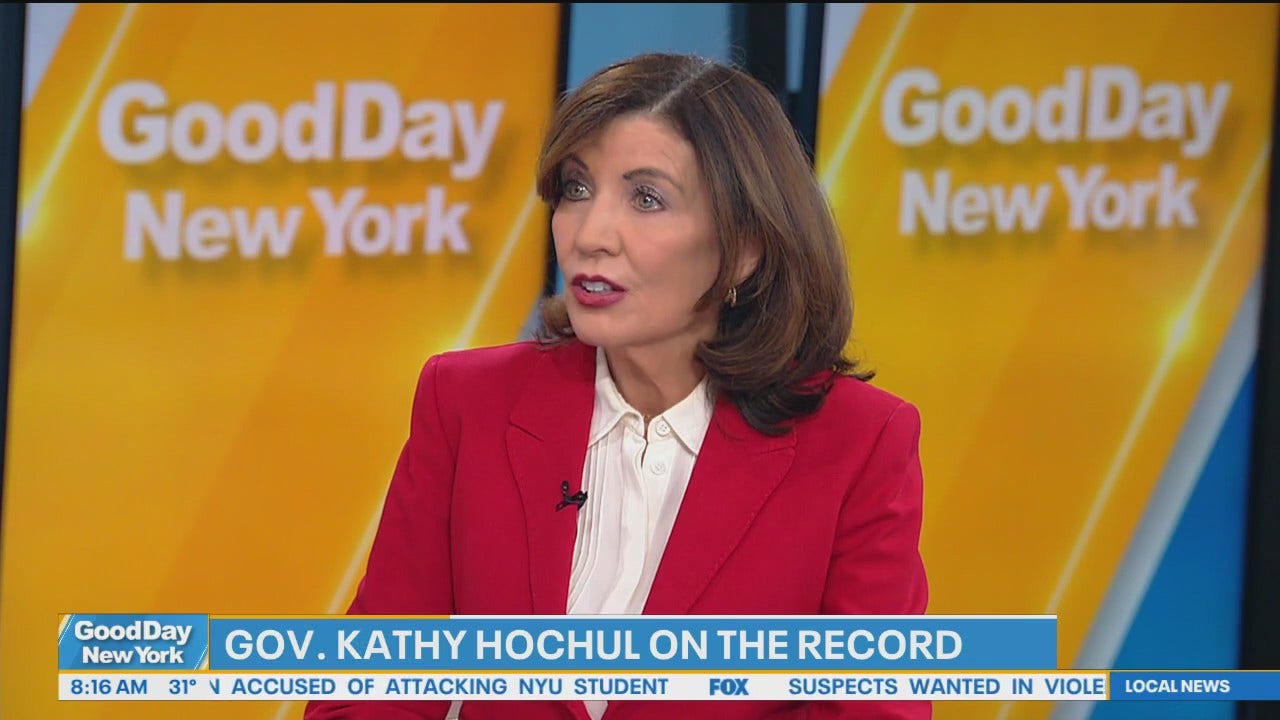
 Gov. Hochul on cell phone ban, Mamdani, MTA, SNAP | Full interview
Gov. Kathy Hochul discusses New York’s new classroom cell phone ban, rising budget pressures, her relationship with Mayor-elect Mamdani, and the future of the MTA. She also responds to federal threats to cut SNAP funding and flags new concerns about teens and AI “companions.” Plus, her holiday plans at home.
NEW YORK – New York’s first-in-the-nation, bell-to-bell classroom cellphone ban is yielding “outstanding” early results, according to a new survey of schools.
SKIP TO: Cell phone ban | Mamdani | Income tax | SNAP | MTA fares
What they’re saying:
Gov. Kathy Hochul told Good Day New York the findings validate her push to confront what she calls a youth mental health crisis.
The survey conducted across New York schools that implemented the ban, found:
92% of schools reported a smooth transition83% saw better classroom and student engagement75% reported improved teaching
“Our kids are really in the throes of a mental health crisis,” she said. “This was a whole new game in classrooms — actually talking to one another. We’re letting kids be kids again.”
The governor said she spent nearly two years meeting teens, teachers and parents before proposing the ban. “I’m a mom — blame me. I’ll take this on on behalf of the kids of this state,” she said.
AI legislation
What’s next:
She added that more legislation is coming in her January State of the State address, including safeguards against harmful online content and new regulations around AI “companions,” which she said are misleading teens into thinking they’re communicating with real people.
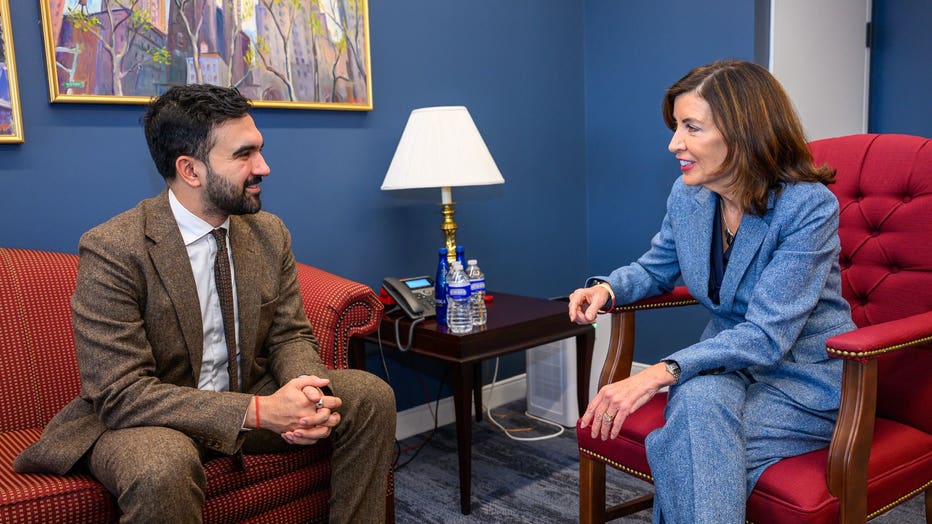
Beyond the classroom, Hochul said the cellphone ban is part of a broader vision for the future of New York, a future she wants to shape alongside incoming New York City Mayor-elect Zohran Mamdani.
The two leaders disagree on key issues, including free buses and how to approach new taxes, but Hochul said their early conversations have been positive and focused on affordability.
“We’re talking about how we can work together to make New York City more affordable,” she said. “It is my job as governor to make sure that whomever the mayor is, they’re successful.”
She says her shared priorities include expanding childcare, boosting housing production and addressing the rising cost of living.
With a new mayor coming in and federal funding shrinking, the governor faces major budget decisions in 2025. But on one point, she was clear: she will not raise the state’s income tax.
“I’m not raising income taxes,” Hochul said.
However, she declined to rule out other revenue options and said the state needs to account for several “financial hits from Washington” before deciding whether additional funding streams are necessary. “We don’t know what our needs are… I have to look at the revenues coming in,” she said.
The governor was sharply critical of the Trump administration’s proposal to withhold federal food assistance funding unless states turn over the names of SNAP recipients. New York and several other states sued, and a judge sided with them in October.
“People sign up for a particular program not to have their name shared in other parts of the government monitoring you,” she said. “To have a Secretary saying, ‘We’re going to ignore a court order’ — that is problematic.”
Hochul described the stakes as deeply human, pointing to a story relayed by Mayor-elect Mamdani about a veteran who found his refrigerator empty after losing benefits.
“That is just cruelty,” Hochul said. “Don’t you care about everybody else who’s hungry?”
Hochul also insisted the MTA is on a “path to sustainability,” buoyed by congestion pricing revenue, internal savings and upcoming casino license fees.
She said New Yorkers should not expect dramatic fare increases.
“If it goes up a dime or a nickel… that is what happens in the normal course of business,” she said. “I don’t want to see any increases that people are going to think are significant at all.”
The governor noted that ridership is up 11% and traffic in the congestion pricing zone is down 10%, saying the numbers show the system is stabilizing.
What’s next:
The cellphone ban — and the strong survey results backing it — represents, in Hochul’s view, a broader reset for a state navigating everything from AI threats to transit funding to food security.
She says distraction-free classrooms will grow into New Yorkers better prepared to collaborate, work and thrive.
“This is who we’re fighting for.”
The Source: This report is based on information from a Good Day interview with Gov. Kathy Hochul.