

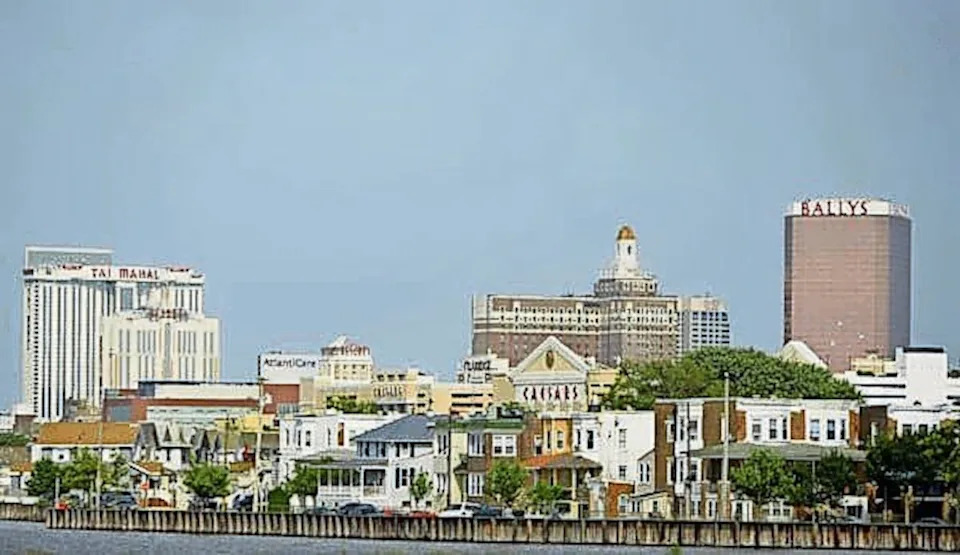
There are nine casinos in Atlantic City along the boardwalk and beyond that compete for the attention of those seeking to try their luck at the slots, the tables and sports betting windows.
But last Monday’s decision that could lead to three new casinos in the nation’s largest untapped casino market — some two hours and 45 minutes away in New York City — could have a major impact on New Jersey’s gaming resort in the coming years.
“The addition of three integrated resort-style properties in the region will, at least in the short term, increase competitive pressure on Atlantic City operators,” said Jane Bokunewicz, who heads the Lloyd D. Levenson Institute of Gaming, Hospitality and Tourism at the Stockton University School of Business.
The approvals by New York’s Gaming Facility Location Board for the new, full-fledged casinos — one in the Bronx and two in Queens — were no surprise.
They included a proposed Hard Rock casino complex on a parking lot at Citi Field, the home of the New York Mets. A second would involve the expansion of a Resorts World slots parlor into a full casino at Aqueduct Racetrack in Queens near John F. Kennedy International Airport. The third would be located at the Ferry Point golf course in the Bronx planned by Bally’s, which purchased operating rights for the city-owned golf course from the Trump Organization in 2023.
Both Hard Rock and Bally’s already have casinos in Atlantic City.
The three licenses are likely to be formally issued by the New York Gaming Commission before the end of the year. The state is already anticipating those gambling revenues in its budget.
Although no licenses were approved for Manhattan, the tourist hub of the Big Apple which would have generated far larger crowds, gaming officials in Atlantic City acknowledge that the operation of the proposed new casinos in the outer boroughs will still have some impact on the market.
“Downstate New York casinos have been on the horizon for years,” said Mark Giannantonio, president of the Casino Association of New Jersey. “We recognize this expansion will have a negative impact over time on the Atlantic City market, which makes our mission even clearer. We must accelerate Atlantic City’s transformation into a leading year-round resort destination.
Giannantonio said the Atlantic City casino industry has already made what he called “significant strides” in diversifying its offerings, investing more than $1 billion in their properties over the past five years.
“The industry is the largest employer in the region, supporting tens of thousands of jobs and serving as a critical economic engine of not only South Jersey, but the entire state of New Jersey,” he said. “We must stay focused on working collaboratively with government officials, community leaders and stakeholders on the sustained reinvestment and revitalization of Atlantic City.”
One industry insider said some of the smaller, weaker Atlantic City casinos could suffer.
Atlantic City’s casinos already see competition from nearby casinos in Pennsylvania, Delaware, Connecticut and slot parlors in New York.
The addition of any new competitors to a market must be a cause for worry among existing operators, said Bokunewicz.
“Atlantic City operators have been concerned about New York casinos for some time now and have been formulating strategies to remain competitive. They will likely see a negative impact on revenues and visitors, at least in the short term, but will have the opportunity to transcend this in future especially as the new offerings lose the benefit of the “novelty factor,” she said.
Two of the proposed casinos for downstate New York are not scheduled to open until 2030, so there is still time for Atlantic City to take action to remain competitive in the Northeast, she added.
Still, state Sen. Paul Sarlo, the Bergen County Democrat who chairs the Senate Budget and Appropriations Committee, believes that the state dodged a bullet when New York in September rejected applications to build three casinos in Manhattan. Gaming in the heart of the city he said would have meant much greater competition for New Jersey.
“They’re far enough away,” he said of the Queens and Bronx locations, calling the decision to stay out of Manhattan a “huge win” for gaming in New Jersey and the state’s economy.
Bokunewicz also believes the New York casinos and those in Atlantic City will likely appeal to different kinds of crowds.
“Atlantic City attracts a largely regional, drive-in customer base, whereas New York City is more likely to attract a broader national and international customer,” she explained. “There may actually prove to be some positive synergy for Atlantic City as two of the New York properties have an interest in both locations and may seek to promote the resort to members of their loyalty programs. Exposure to this new audience base may improve visitation to Atlantic City in the long term.”
Despite the addition of full casino gambling in Queens and the Bronx, New Jersey officials say Atlantic City still offers an experience that would be difficult to replicate, shaped by its oceanfront setting and existing amenities.
“Atlantic City’s unique character, vibrant entertainment scene and beachfront atmosphere position it as a distinctly different experience to other competitors,” said Tyler Jones, a spokeswoman for Gov. Phil Murphy. “The Murphy Administration has prioritized new investments in Atlantic City’s public safety, infrastructure, and boardwalk revitalization to secure its position as the region’s premier destination for gaming and entertainment.”
Yet clouds remain on the horizon.
“A combination of factors has lately been impacting Atlantic City’s bottom line,” Bokunewicz noted.
This summer’s record total gross gaming revenues failed to translate into gross operating profit gains for Atlantic City’s casino operators, she pointed out.
“Like operators in all industries, they have seen the cost of doing business increase,” she said.
Read the original article on NJ.com. Add NJ.com as a Preferred Source by clicking here.