
There is some frigid air passing over New York State, and it’s not even winter yet. The official winter solstice doesn’t arrive until December 21, but you wouldn’t know it if you stepped outside early this week. Temperatures have already hit zero and even subzero in parts of the state, giving New Yorkers an early taste of deep winter.
Early Cold Creates Challenges for Families
The sudden cold snap has made it tough for many people to enjoy being outside. Parents of young children know all too well how much the morning rush slows down when you have to add extra layers, boots, hats, gloves, and scarves just to get the kids to the bus stop. Even adults are reluctantly pulling out the heavy coats, winter boots, and thermal layers earlier than expected.
Here in Western New York, we’re used to bitterly cold temperatures in January and February. But getting hit with Arctic air this early is something we’re not fully accustomed to, and it has definitely caught many people off guard.
The Upside and Downside of Early Season Cold
There are some positives and negatives to this early blast of frigid air. On the positive side, snow sticks better in cold temperatures, great news for anyone dreaming of a white Christmas. Ski resorts are also having an easier time making snow and holding onto their snowpack.
But the extreme cold brings real drawbacks. When temperatures plunge below zero, things simply don’t operate like they should. If you work outdoors, this stretch has likely been especially brutal. Equipment struggles, hands freeze, and even basic tasks become more difficult in dangerously cold conditions.
What It Means for Lake-Effect Snow
Surprisingly, we haven’t seen the kind of massive lake-effect snowfall that Western and Upstate New York often get by this point in December. The frigid air crossing the Great Lakes raises an interesting question: Are the lake temperatures dropping fast enough to freeze earlier this year?
If Lake Erie freezes sooner, that could actually limit major lake-effect events later in the season. Lake Ontario, however, rarely freezes, meaning areas east of Lake Ontario will always remain at risk for heavy snow.
For communities downwind of Lake Erie, this year could play out differently. Forecast models show temperatures staying in the single digits and low teens for at least another week, which may accelerate freezing and reduce the traditional lake-effect snow totals around Buffalo and the Southtowns. Still, lake-effect snow from the other Great Lakes can always find its way into New York at any point during winter.
Cold Weather Helps Backyard Ice Rinks
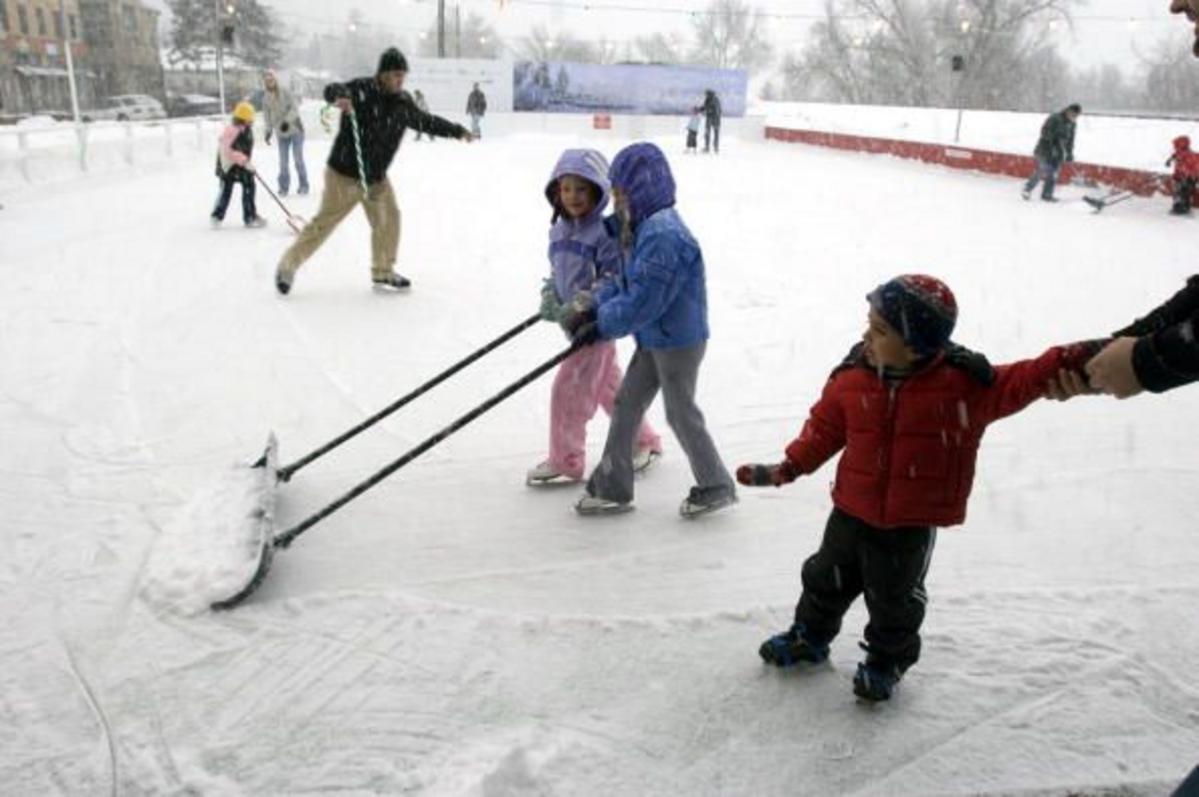
For families planning their first backyard ice rink, this early cold may be the best gift of the season. With temperatures this low, kids might actually be able to skate over the entire holiday break, something that doesn’t happen every year.
5 WNY Towns That Deserve Their Own Hallmark Movie
Gallery Credit: Brett Alan