
By Jacob Kaye
The union representing Rikers Island’s correction officers is suing the city for reinstating forced 12-hour shifts, arguing officials illegally used an emergency order to revive the longer tours.
The Correction Officers Benevolent Association said the city and its Department of Correction illegally launched a pilot program to revive the lengthy shifts at the Robert N. Davoren Center on Rikers last month.
The suit, which was filed last week, claims that the city’s use of a long-standing mayoral executive order declaring a state of emergency in the jails to make the change was illegal. While the order, which has been in place for more than four years, suspends a number of rules and regulations surrounding the city’s management of the jails and the treatment of detainees, COBA said it doesn’t give the city the power to alter officers’ shifts without first getting approval from the union.
“DOC reliance upon the general state of emergency declared at DOC facilities is acting illegally, arbitrarily, and capriciously,” the lawsuit filed in State Supreme Court in Manhattan reads. “DOC’s alleged emergency for the implementation of these illegal 12 hour tours of duty is not a true emergency.”
A spokesperson for the city’s Law Department said the agency “will review the case and respond in the litigation” and declined to comment further.
The lawsuit comes after years of staffing troubles on Rikers Island. Though Rikers Island has one of the highest staff-to-detainee ratios in the country, it has lost around 4,000 officers since the start of the pandemic – while the city currently has around 5,770 uniformed officers on staff, there were around 9,700 officers in March 2020, according to city data. During that same period, it gained around 2,000 detainees, going from around 5,200 detainees in March 2020 to 7,000 detainees in October.
Without staff to escort them, detainees often get stuck in their cells or housing areas, which can sometimes lead to violence.
Staffing shortages in recent years have resulted in a large number of detainees missing court appearances and medical appointments. Staffing issues have also been cited by jail watchdogs and judges as contributing factors to a number of deaths in the city’s jails.
While the city forced officers to work 12-hour shifts during the height of the pandemic when thousands of officers were missing work each day, officers typically work eight-hour shifts that begin at either midnight, 8 a.m. or 4 p.m.
But the DOC has attempted to revive the 12-hour shift over the past year.
It first proposed bringing the shift back in February but backtracked after COBA opposed the plan. The DOC again floated the proposal in the fall, leading to the implementation of the 12-hour shift pilot at RNDC, which went into effect on Nov. 30.
The DOC, which announced the plan in October, held seven town halls on the change in November prior to the start of the pilot, according to a written communication sent from DOC leadership to staff.
But the feedback sessions didn’t appear to win over many officers.
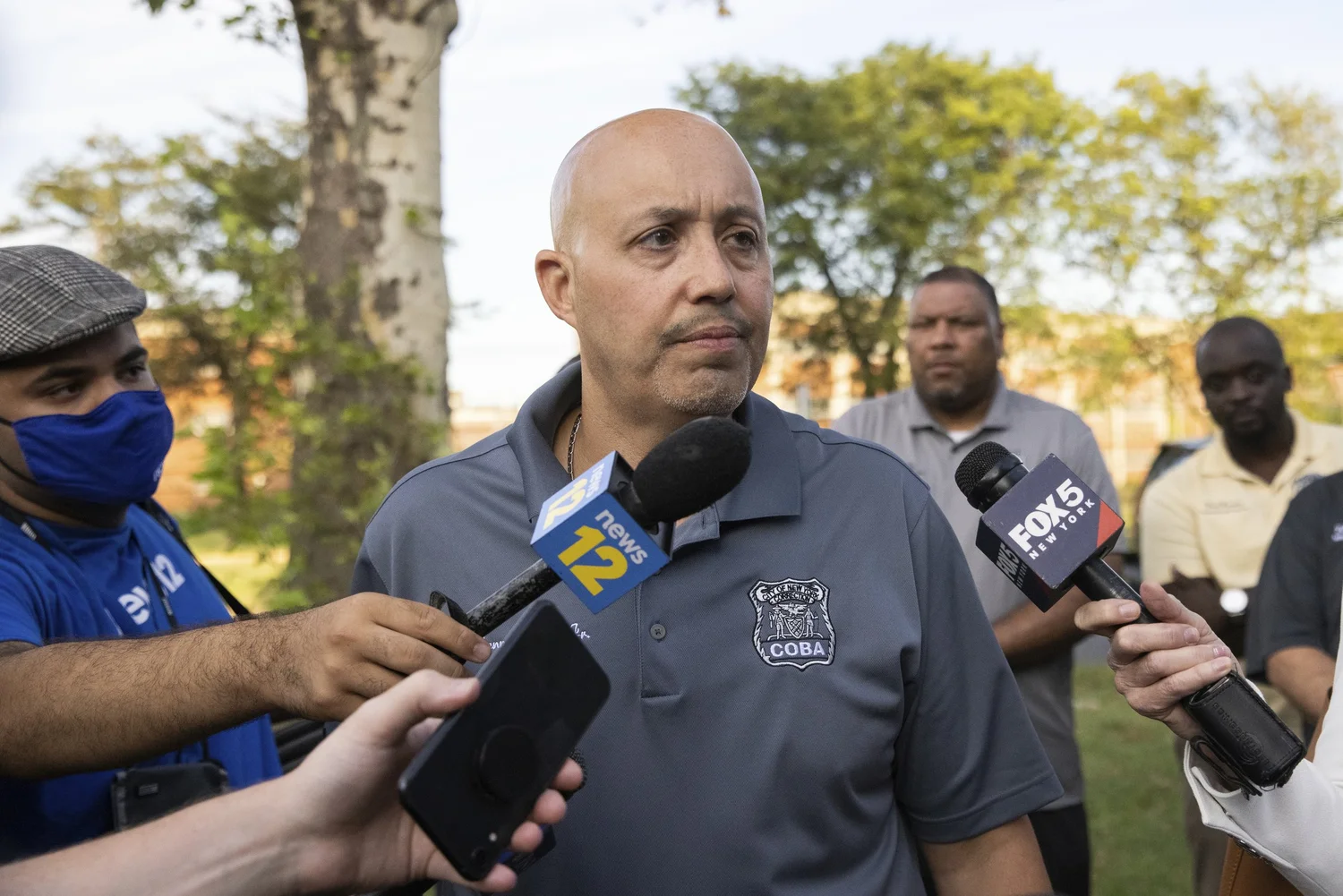
“We are being experimented on,” Benny Boscio, COBA’s president, told the Eagle in regard to the pilot program.