
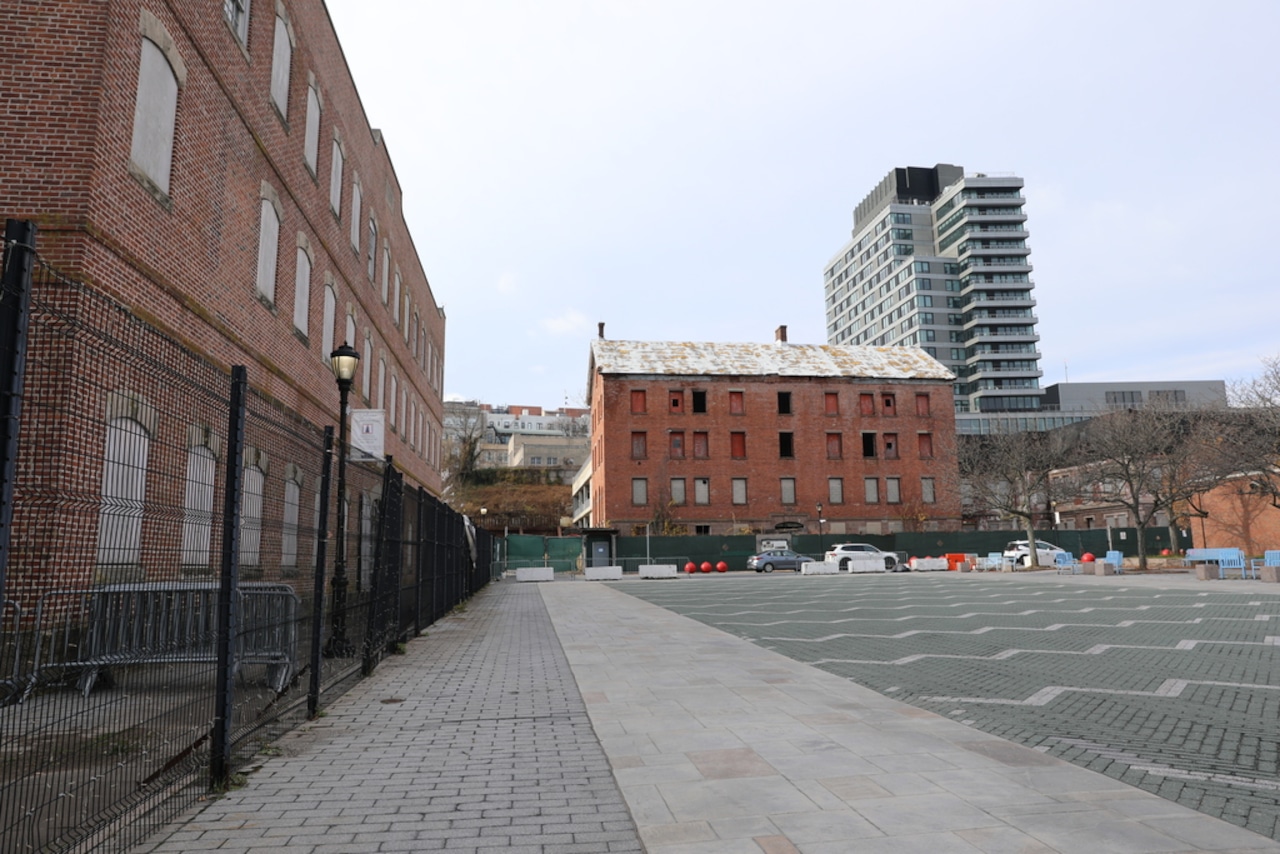
STATEN ISLAND, N.Y. — In St. George, just feet from the busy ramp that buses and cars take to drop passengers at the Staten Island Ferry, is a so-narrow-you-can-easily-miss-it turnoff, leading to a short street paved with stone.
Those who make the turn onto the block, which bends back to run parallel between Bay Street and the water, soon end at a plaza surrounded by Staten Island history: five buildings dating to the late 19th and early 20th centuries, when the site was the nationally-significant U.S. Lighthouse Service Depot.
One structure is now fully redeveloped as a small but vibrant museum, but others sit unused in a state of disrepair.
With the advancing North Shore plan guiding the city’s vision for the area, historical advocates are eager for the site to get a planned refurbishment, calling it “a linchpin” in the story of Staten Island’s past.
“Staten Island’s waterfront and maritime past sometimes get overshadowed by the bridge, the city,” said John Kilcullen, vice president of the board of directors of the Preservation League of Staten Island.
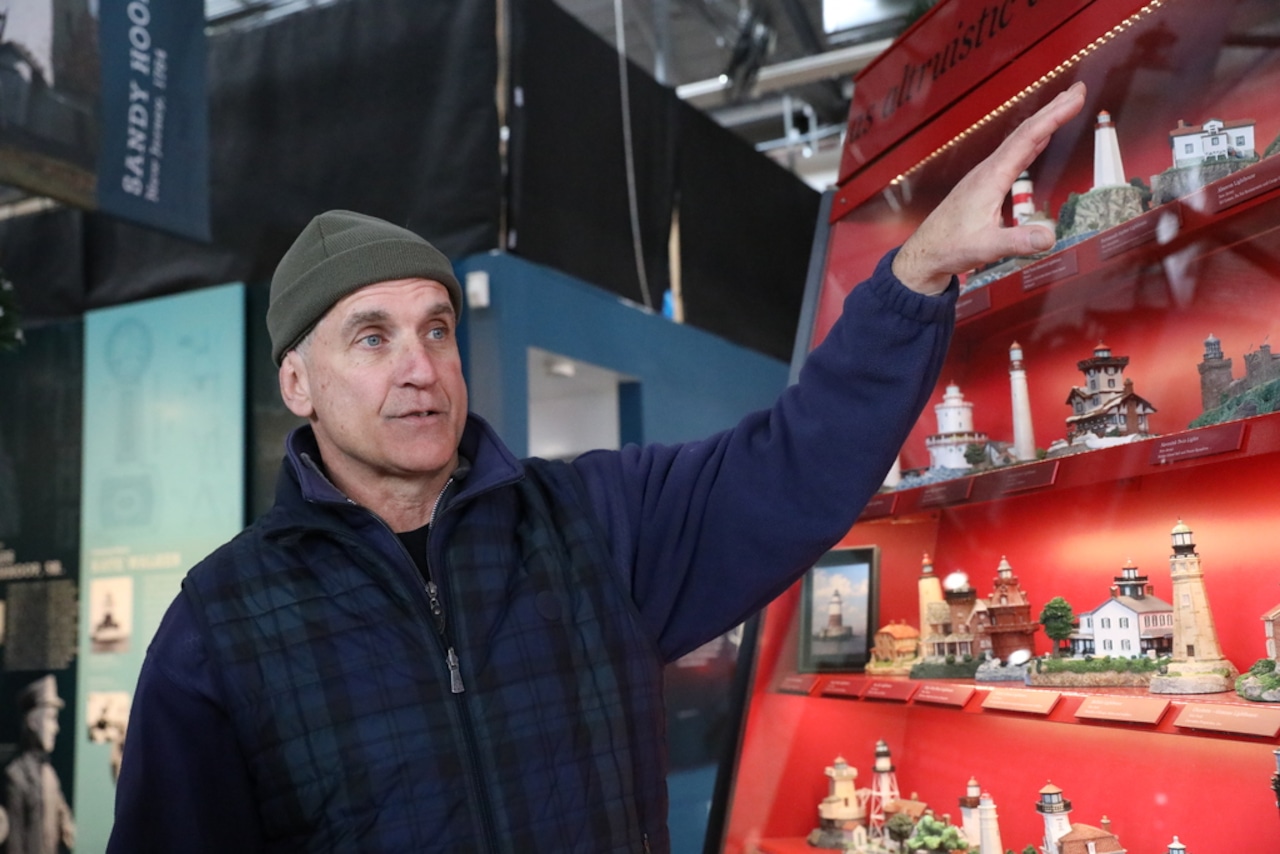 John Kilcullen, who sits on the board of the Preservation League of Staten Island, at the National Lighthouse Museum, Thursday, December 4, 2025. (Advance/SILive|Jan Somma-Hammel)Advance/SILive.com | Jan Somma-Hammel
He said the preservation group is highlighting the historical significance of the site, which sits beside the Lighthouse Point high-rise and down the block from the soon-to-be-reimagined NY Wheel site, because “commercial is great,” but a vibrant community needs “culture as a base.”
A landmark for a ’significant moment in the history of our country’
Visible on the street above protective fencing and through peepholes are four brick buildings that once housed the lighthouse depot’s offices and workshops, with space for lamp makers, laboratories and more.
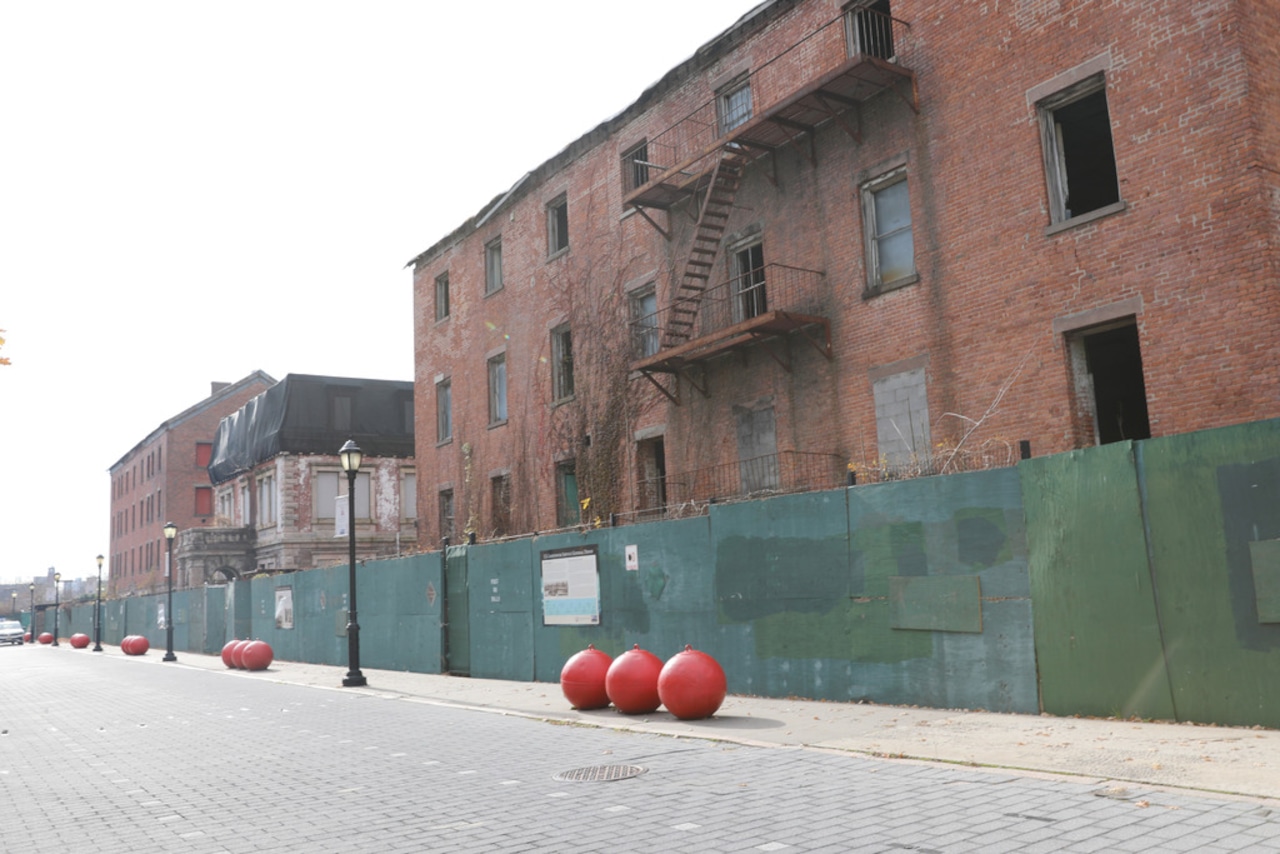 Renovation of the buildings that sit just behind the new Lighthouse Point tower were originally part of a phase two development plan that has hit challenges after so many years and significantly rising costs. Advance/SILive.com | Jan Somma-Hammel
The main office building was landmarked 45 years ago, and passersby can catch a glimpse of its French Second Empire grandeur, although the granite and sandstone are showing wear, especially where a tree is now growing through the cracks.
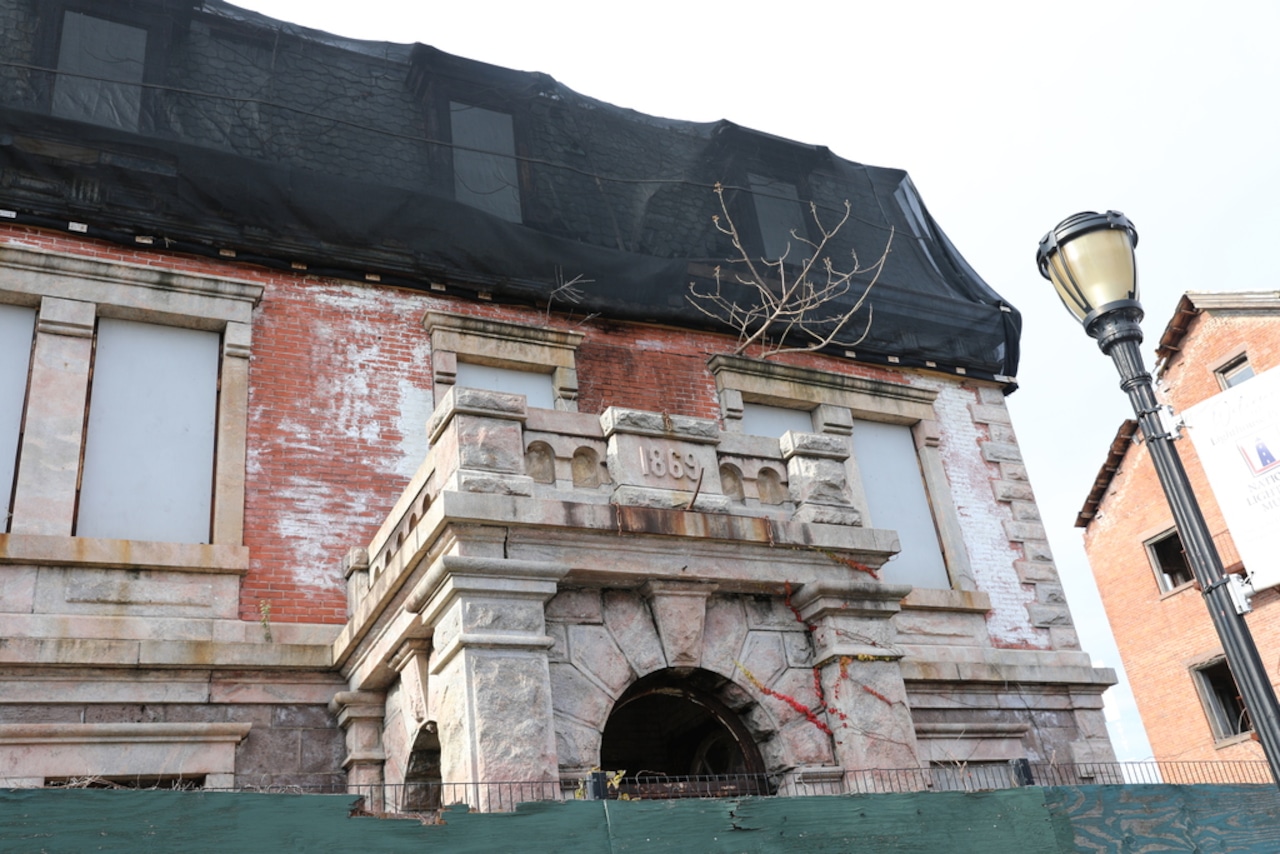 Celebrating 45 years since it was landmarked, the administration building still features beautiful touches, but a tree can be seen growing out through cracks in the brick. Advance/SILive.com | Jan Somma-Hammel
One building, the smallest, stands apart from the others: the former foundry, it has been remade into the National Lighthouse Museum. Unlike its fenced neighbors, it has been open to visitors for more than a decade.
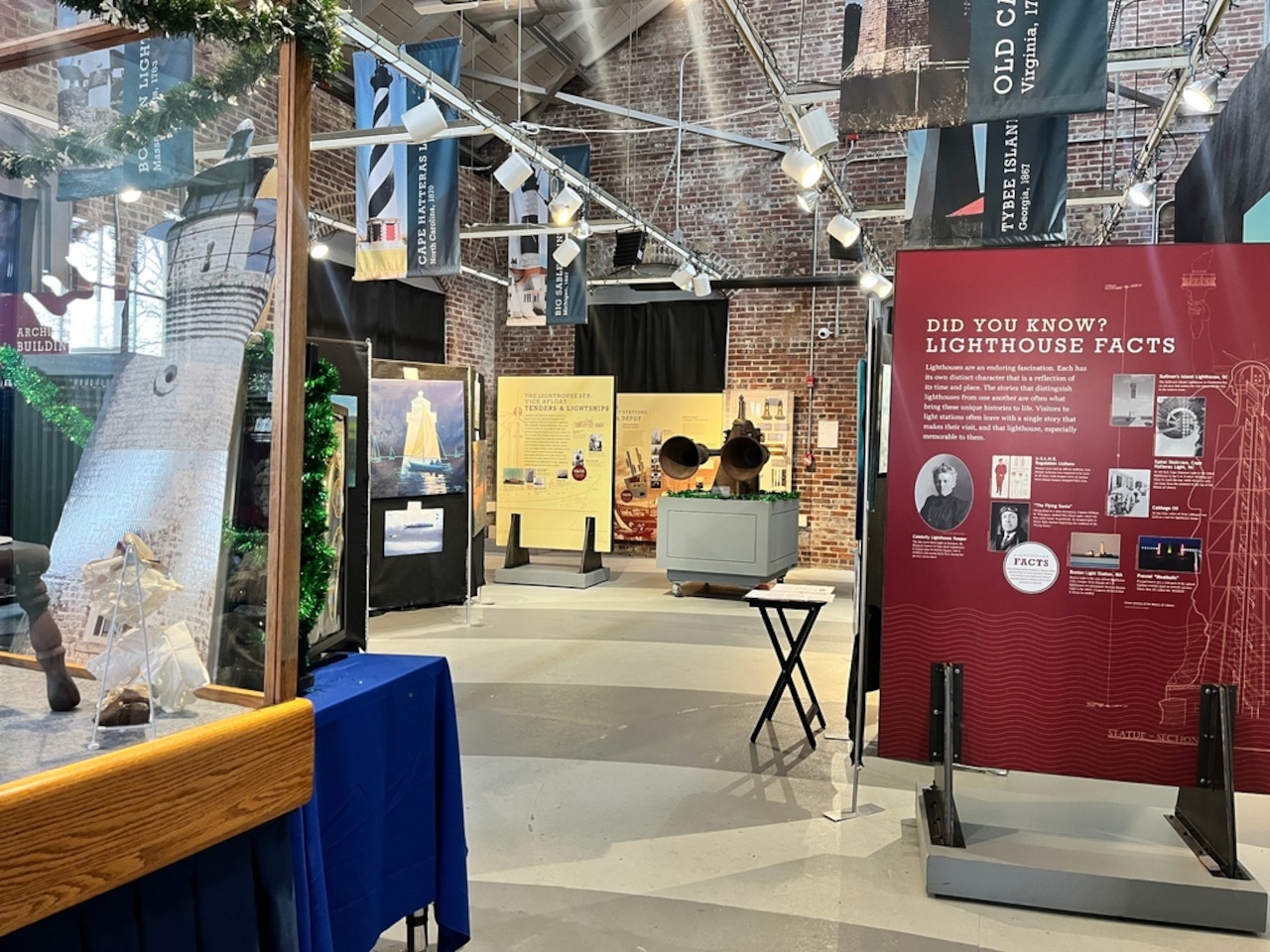 The former foundry was transformed into the Lighthouse Museum, which opened in 2015.Advance/SILive.com | Jan Somma-Hammel
The museum, funded by a grant, developed outdoor signage now affixed to the fencing, which charts the history of the site.
Before it was a lighthouse depot, the New York Maritime Hospital was here. Also known as the quarantine, people immigrating to the U.S. prior to the opening of Ellis Island were held at the Maritime Hospital for health issues. Angry Staten Islanders torched it in the 1850s.
Staten Island won a bid in the 1860s to develop the lighthouse depot at the site, which handled manufacturing, supply and maintenance for regional lighthouses, and played an important role in the development of lighthouse technology—which at the time was critical to the country’s economic growth.
Kilcullen says the site goes beyond importance to local history, and represents a “significant moment in the history of the country.”
Historic buildings that need a new future
When Lighthouse Point—a glittering mixed-use 12-story tower behind the site—began development nearly two decades ago, it was phase one of a project that was to eventually include the redevelopment of three of the lighthouse depot’s historic buildings, including the landmarked parcel.
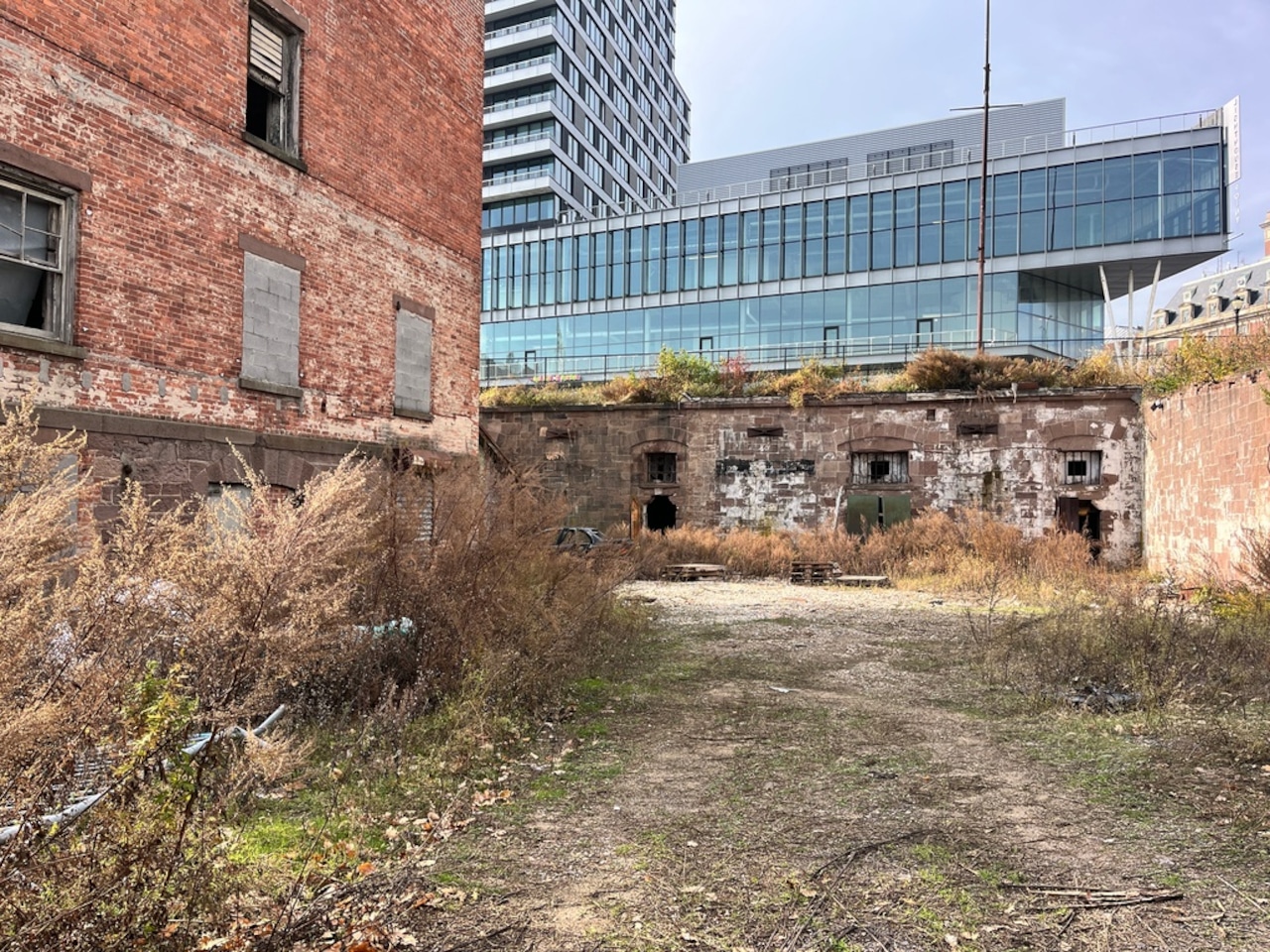 The new Lighthouse Point tower is visible behind what were once the vaults that stored oil at the site. Advance/SILive.com | Jan Somma-Hammel
Triangle Equities, the developer of Lighthouse Point, was also awarded phase two.
However, the first phase of the project sat frozen and unfinished for years during the COVID-19 pandemic. After restarting and finally finishing Lighthouse Point this year, the second phase as originally conceived presents challenges.
The New York City Economic Development Corp. (NYCEDC), which owns the site, says it is continuing talks with Triangle Equities to find a plan that would be both actionable and financially viable.
But NYCEDC said the developer faces significant challenges that have arisen in the intervening years with rising project and construction costs, particularly in work with historic structures.
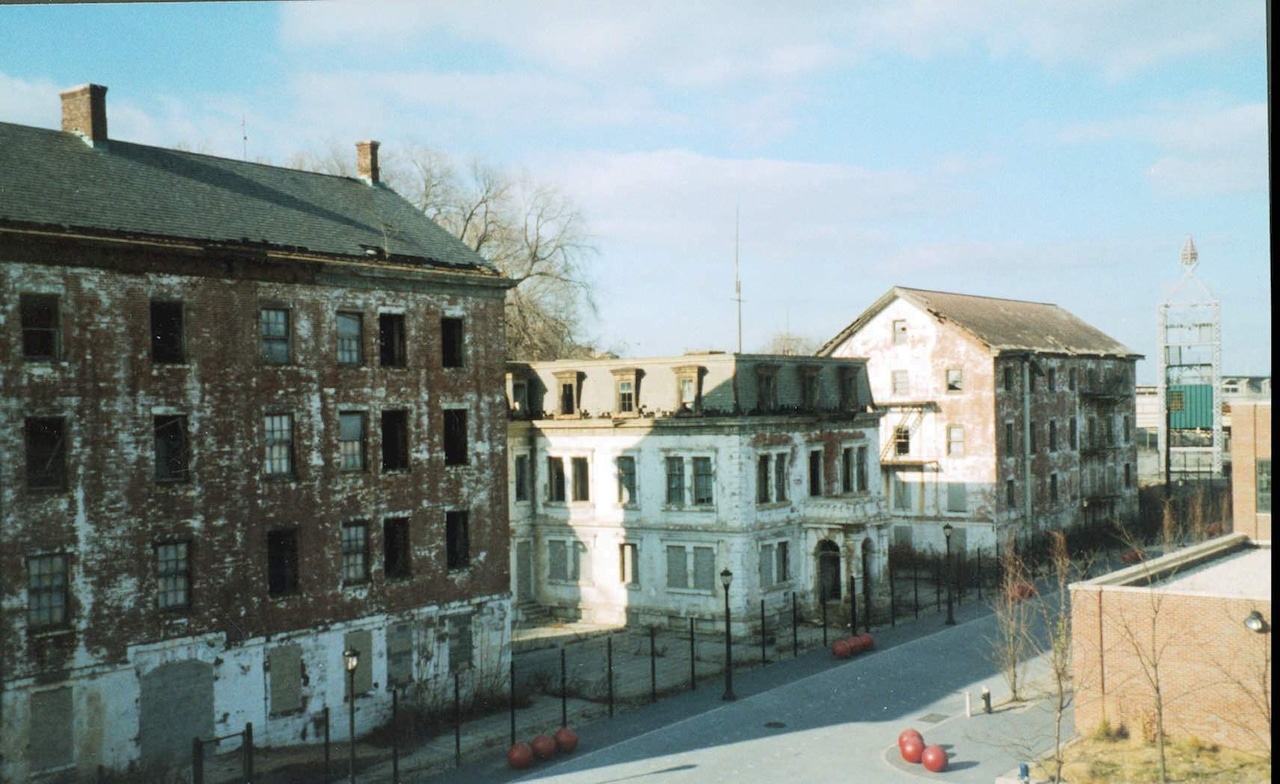 The buildings as they were in 1998, when phase one of the Lighthouse Point redevelopment was just getting underway.Staten Island Advance
The challenges don’t, however, diminish commitment to the site, the NYCEDC said.
“Lighthouse Point remains a key piece of our long-term vision for revitalized North Shore waterfront, linked by continuous public open space and new places for Staten Islanders to live, work, play and learn,” a NYCEDC spokesperson said. “We understand the significance and value of the area’s historic structures and will continue to evaluate preservation carefully among many factors informing the next phase of Lighthouse Point’s mixed-use community.”
Councilmember Kamillah Hanks, an author of the North Shore plan, also said she remains committed to the site, but acknowledged the challenges and said a new way forward needs to be envisioned.
“I have always been a proponent of historic preservation,” Hanks said, noting that she is the chair of the City Council’s Subcommittee on Landmarks, Public Sitings and Dispositions.
“For me, the preservation of our landmarks is definitely a priority,” she continued, calling the buildings “beautiful” and saying “they need to be restored”—but emphasizing that a practical solution needs to be found.
She said that a new vision for the site and a plan for raising the needed capital—a significant figure that could soar, given the size, scope and age of the buildings—is “very much an active discussion.”
That discussion is part of a broader effort to have a unified vision for development in the neighborhood around the St. George ferry terminal, the NYCEDC notes.
“Last month, NYCEDC announced a new vision for a vibrant, mixed-use community in St. George, including up to 2,500 additional new homes, along with community, retail, and open space amenities. The greater Lighthouse Point project will be an important link in realizing this broader North Shore vision and creating a dynamic waterfront district that serves generations of Staten Islanders to come.”
Triangle Equities did not respond to request for comment by the time of publication.
A museum fit for a princess
As the buildings around it sit in limbo, the National Lighthouse Museum continues to welcome visitors from around the world, including Princess Anne, who visited with great fanfare in 2022.
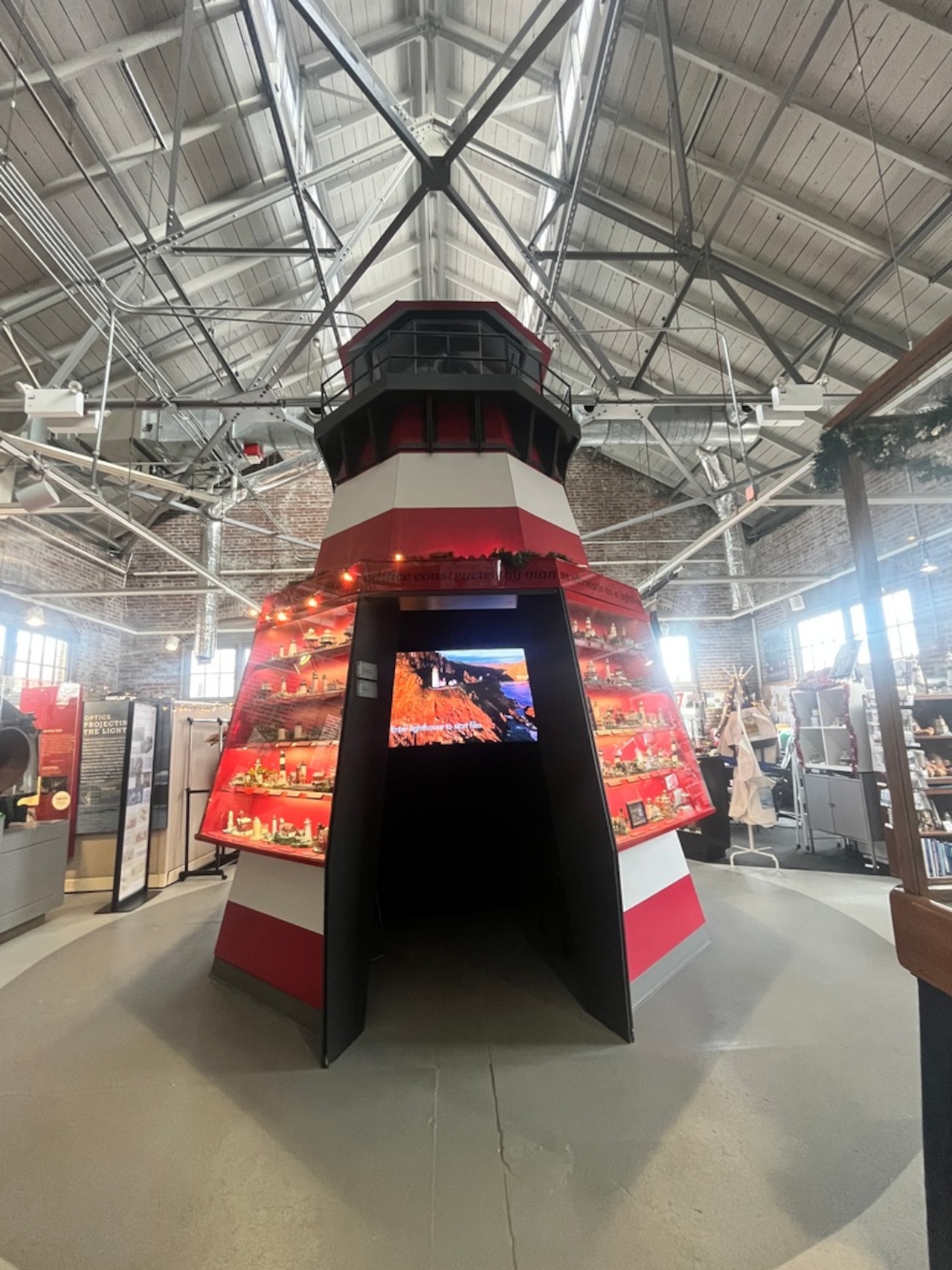 Inside the replica lighthouse that stands at the center of the National Lighthouse Museum, visitors can watch a historical video; on the outside is a collection of miniature lighthouses from around the world, including one gifted by Princess Anne.Advance/SILive.com | Jan Somma-Hammel
Taking center stage in the museum is a replica lighthouse, and every inch of the space is covered with lighthouse lore and local history that puts the site in context. Linda Dianto, the museum’s executive director, said the institution will be part of the country’s 250th celebration next summer, hosting “Where Light Meets Liberty.”
The small museum has big goals, among them to have a lighthouse that is currently out in the water moved onto the plaza. Dianto said the Romer Shoal lighthouse, which was purchased by Staten Island businessman John Vincent Scalia in 2011, was donated back to the museum last year.
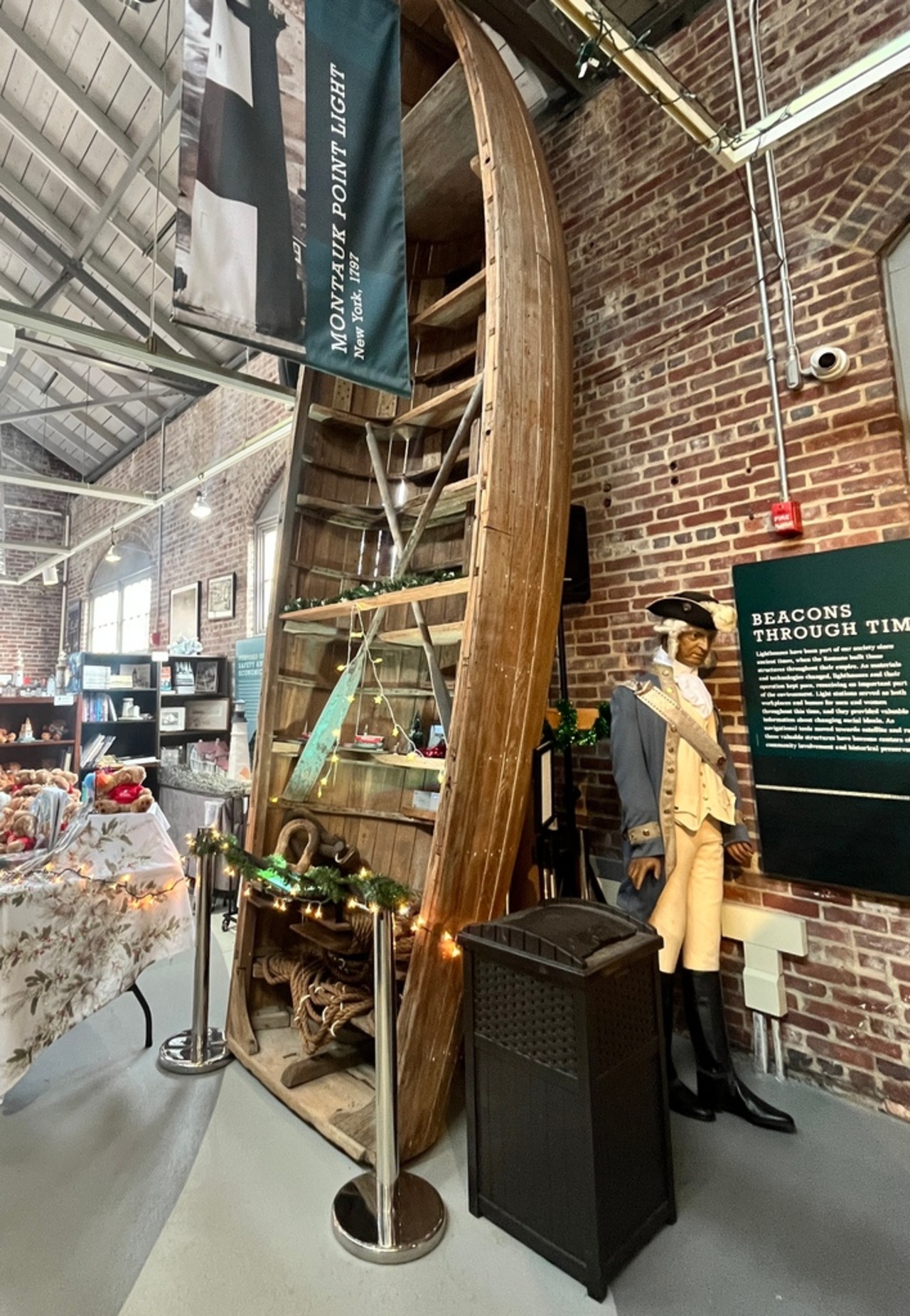 The Staten Island Lighthouse Depot imported Fresnel lenses from France, crafted utility boxes and stored oil in underground vaults for delivery to lighthouse keepers nationwide.Advance/SILive.com | Jan Somma-Hammel
There are also hopes to grow the museum itself by leaps and bounds, if it is able to secure a contract for redevelopment of the site’s Building 10.
Sitting immediately adjacent to the museum, Building 10 was the depot’s “lamp shop.” It is not part of the Lighthouse Point development, and the North Shore plan calls for a separate request for proposals to be released by the NYCEDC.
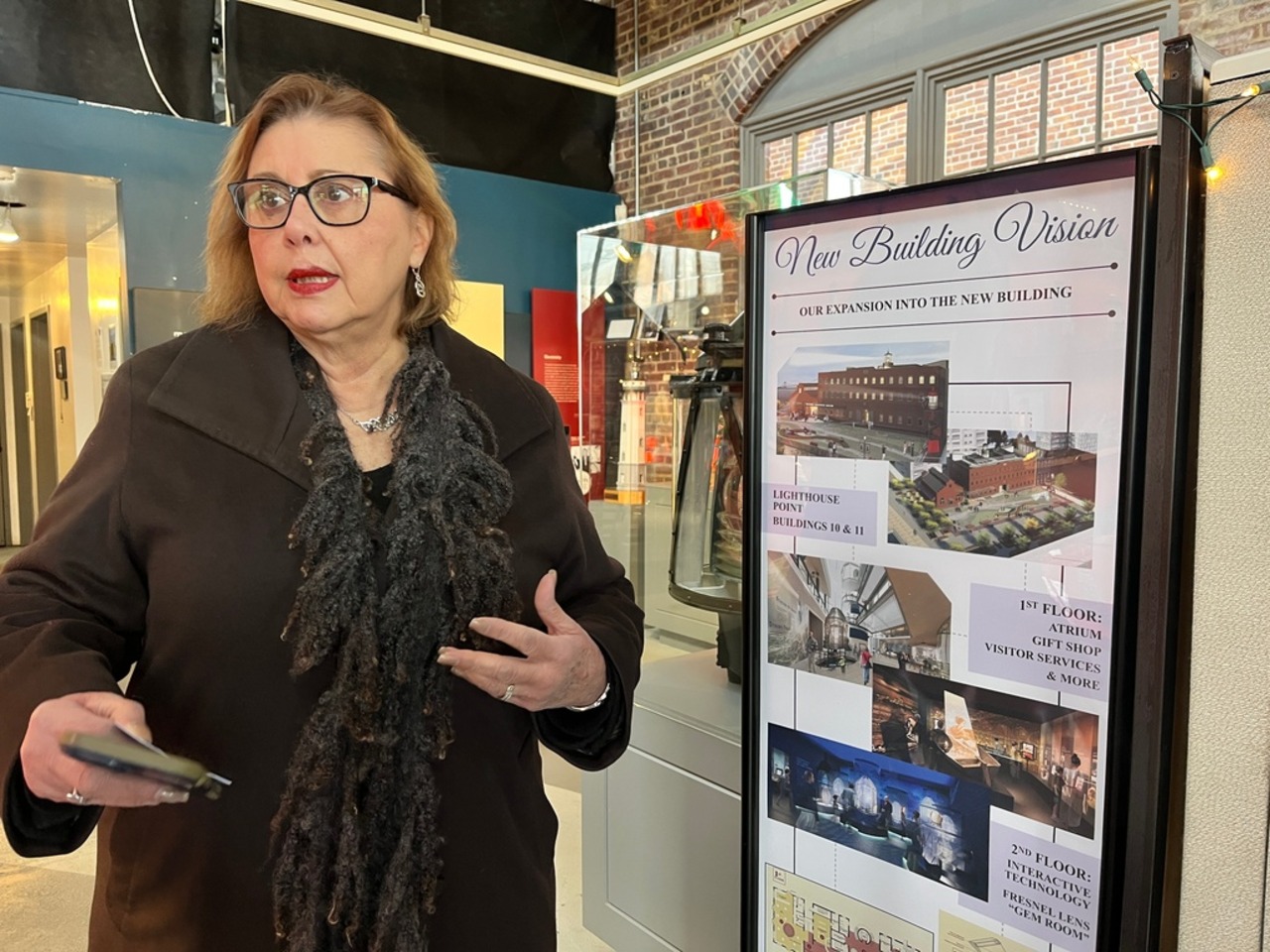 Linda C. Dianto, Executive Director of the National Lighthouse Museum, stands in front of a vision board that shows the museum’s potential for expansion. Advance/SILive.com | Jan Somma-Hammel
The agency said that Building 10 is still an important component of the overall site plan, but did not have an updated timeline for it.
While it waits, the museum has a vision board depicting a future where the now 2,500 square foot museum has expanded into Building 10’s 25,000 square feet.
The museum notes expansion would allow it to host motor coach tours, larger school field trips and large events, with a café and museum store, expanded exhibits and multi-media presentations, classroom space for programming and space for a research library and archive.
‘We have world-class buildings right here’
As for the neighboring buildings, “I can see a really cute bed and breakfast,” said Dianto. “Really restored to that antiquated look.”
Lodging is just one opportunity, said Kilcullen, for adaptive reuse of the buildings. Transforming the site into a cultural hotspot, particularly so close to the ferry, could continue to support the borough’s overall cultural scene, he said.
“We have a lot of cultural events here, a lot of museums, but I’m not sure Staten Islanders use them as we should, as often as we should,” Dianto said.
Kilcullen said Staten Islanders travel all over the country to visit cultural destinations, and yet “we have a world-class garden, buildings, right here, and this is one of them, right on the waterfront.”
“For an island with nearly a half million people, we can really support these [cultural gems] more than we do.”