
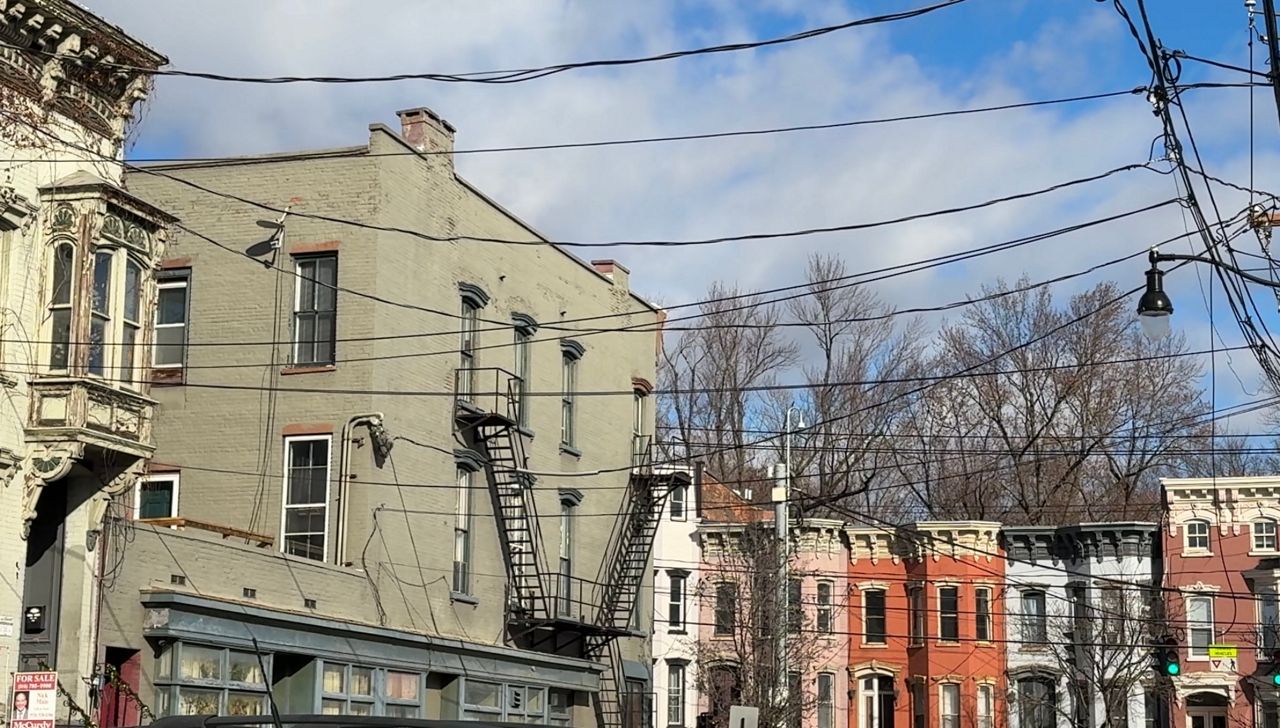
New Yorkers are facing a housing affordability crisis. A large percentage of them are making sacrifices they never imagined.
“I pick and choose which prescriptions I’m going to be buying each week,” said Bebhinn Francis. “I’ll get my thyroid medicine this week. My mental health medicine in two weeks.”
In New York’s largest metropolitan areas, almost three in five households are renters, according to the NYU Furman Center.
“I make approximately $600 a week,” said Francis. “My rent is $277 a week, putting me at just over 46% of my pay going to rent.”
To deal with the financial strain, many renters are weighing their options to see what they qualify for, including public housing, affordable housing and Section 8.
When it comes to public housing, the properties are owned by the U.S. Department of Housing and Urban Development (HUD).
“A lot of these agreements were entered into decades ago, which is why a lot of municipalities have housing authorities,” said Canyon Ryan, executive director of United Tenants of Albany.
Affordable housing can be private or nonprofit-owned and is offered to low-to-middle-income individuals with the anticipation that rent will not exceed 30% of their income.
Examples include Housing Choice Vouchers, more commonly known as Section 8. It’s where a tenant finds private housing and the voucher pays all or part of the rent.
In New York state, landlords can’t discriminate on the source of income. Legally, they’re required to treat all tenants the same whether they have a Section 8 voucher or not.
“A landlord is just supposed to take into consideration the legal form of employment or the legal source of income,” said Ryan.
Also, there are low-income housing tax credit units, which are privately owned with rent-based guidelines on the area-median income.
“Usually what this looks like is – I want to build a 180-unit complex,” said Ryan. “Sixty of those will be for 80% AMI or below. Sixty of those will be for 50% AMI and below and 60 of those will be for 30% AMI and below.”
To qualify, tenants typically have to apply and meet certain criteria. The wait lists can take months or years.