
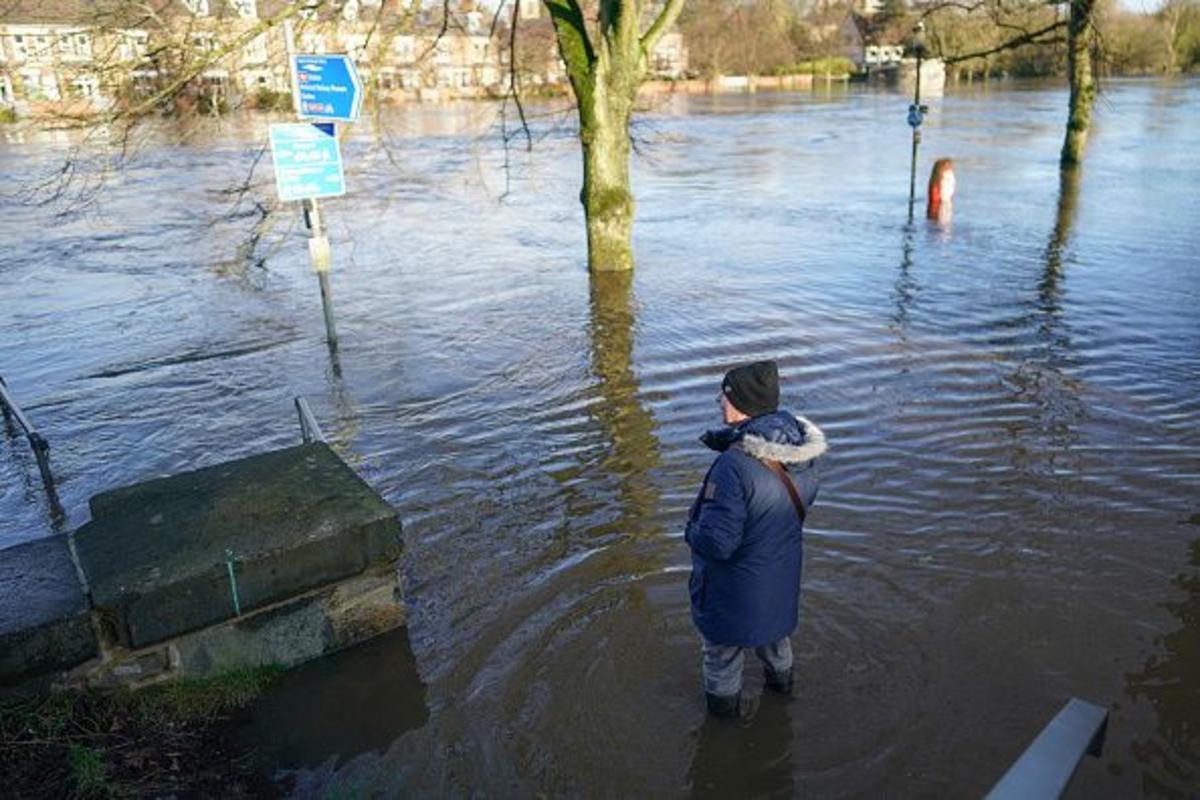
It is about to warm up across New York State. The recent deep freeze is set to take a backseat to milder air, offering some relief for those who struggle with extreme cold. However, with the warm-up and a classic December thaw, there may also be a few complications to keep an eye on.
An Early and Intense Start to Winter in New York State
It appears that New York State is experiencing an unusually early and very cold winter. Officially, winter does not arrive for a couple more days, but you would never know it by looking around the state. Even the Great Lakes are showing signs of an early freeze.
Lake Erie’s water temperature has dropped dramatically over the past several weeks, with overnight temperatures hovering near zero at times. As we head toward Christmas, it truly feels like a winter wonderland. Thankfully, even if a thaw does occur, there should still be plenty of snow on the ground to keep things looking festive, and allow Santa Claus to make his rounds.
Warm-Up on the Way: What to Expect This Week
Meteorologists are calling for a gradual warm-up throughout the week, with a more noticeable temperature spike expected by Thursday. In some areas of New York State, temperatures could reach 50 degrees.
While warmer weather may sound appealing, it can be a mixed blessing if you have significant snow accumulation around your home. As snow begins to melt, water can pool in low-lying areas, creating potential concerns both in the short and long term.
Be Aware of Beaver Activity During the Thaw
If you live in an area where beavers are active, it is especially important to keep an eye on dams and lodges. Rising water levels caused by melting snow can amplify the effects of beaver activity.
Although there is a designated beaver trapping season in New York State, only properly licensed individuals are allowed to trap or disturb beavers. Any unpermitted interference is illegal unless a special permit is granted by the New York State Department of Environmental Conservation (DEC).
When Beavers Become a Nuisance
Beavers are remarkable animals, but in some situations, they can become a nuisance. Farmers and property owners may experience flooding when beavers block streams, creeks, or rivers with dams.
If you are concerned about beaver-related flooding, the New York State DEC can provide guidance and assistance. Property owners may also work with a local licensed trapper to address the issue legally and responsibly.
“Beavers and beaver dams are protected under the Environmental Conservation Law. Section 11-0505 states that “no person is allowed at any time to disturb a beaver dam, house, or den without obtaining a permit from DEC”. This permit provides options for landowners experiencing damage related to beavers and beaver activity”.
Conservation, Flooding Concerns, and Snowmelt Risks
Conservation is key. Beavers play an important role in New York State’s ecosystems, helping to sustain wetlands that benefit birds, fish, and other wildlife. However, like all wildlife management situations, maintaining balance is essential.
Do not take matters into your own hands. Make sure you understand the law and monitor water levels closely as the thaw begins. While widespread flooding is unlikely from this single warm-up, localized issues can develop if water flow becomes restricted.
Read more: New York State Pauses Deer Hunting.
Heavy Snowpack Could Impact Homes
In some parts of New York State, snowpack remains quite deep. If temperatures rise quickly and snow melts rapidly, homeowners could face issues with roofs, basements, and foundations as water seeps into vulnerable areas.
Now is a good time to inspect your home, clear drainage areas, and prepare for melting snow. While spring may feel far away, the transition from winter to thaw often happens faster than expected and being prepared can help prevent costly damage.
Firewood Rules In NY State You Should Know
Gallery Credit: Clay Moden