
Photo-Illustration: Curbed; Photos: Justin Davidson, Iwan Baan, Alamy, Stefano Tammaro/Shutterstock
Like almost every mayor in the past 50 years, Zohran Mamdani will come into office trumpeting New York’s most ambitious affordable-housing program — and, as with his predecessors, the claim will be longer on slogan than on plan. He has promised a huge boost in subsidies to churn out 200,000 new rent-regulated homes over the next ten years. At that scale, housing is more than the sum of units built, square footage, budgets, buildings, and applicant lists; it’s the city itself, the way New York looks, feels, and functions.
Mamdani’s landslide win and zeal, plus the painful obviousness of the crisis he has vowed to fix, give him an opening to shape a new era in housing. City of Yes, Eric Adams’s citywide rezoning, makes it easier to build low- and mid-rise apartment buildings in every borough. In the same election that Mamdani won, voters approved three ballot initiatives that boost the mayor’s power to speed up their construction. And so far, businesses and the plutocrat class are sticking around to check out the new socialist utopia, keeping the flow of tax revenue strong.
That tool kit makes it possible to build more, but if that’s the mayor’s only housing goal, he will have missed a generational opportunity. New York must do better than its usual serried towers and clunky blocks; a new cast of leaders can look abroad to figure out how. Our default options provide shelter for a fraction of those who need it and at the same time deaden streets, crowd the sky, and anger neighbors. Many other governments have cultivated less bulky, more elegantly designed, and more innovative versions of social housing and discovered that raising the level of design doesn’t mean sacrificing density, living standards, speed, or affordability.
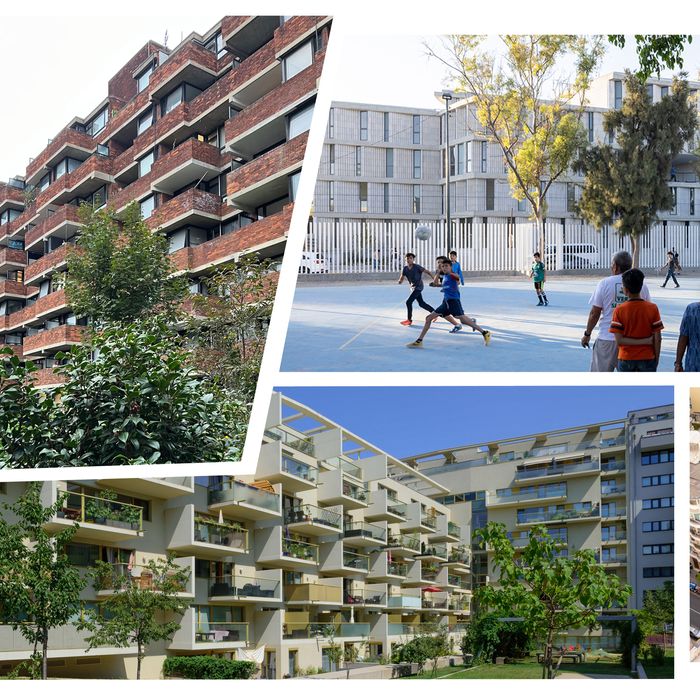
In Rome after World War II, the need for decent new housing was urgent and overwhelming, conditions that could have spawned vast Mediterranean tundras of Soviet-style concrete blocks. Instead, as part of the national INA-Casa program, the architects Ludovico Quaroni and Mario Ridolfi created the Tiburtino neighborhood, a hilly maze of sloping streets, shaded stairways, and curving alleys. Low stucco buildings with tiled roofs contain a mix of duplexes, modest flats, and family apartments — 771 in the first phase — all with thick walls and shutters that keep out the summer heat.
The project, a planned development disguised as an unplanned village, showed that architecture could serve the masses without slotting them into cubbies. The design delivered density on a human scale, seeded the site with internal courtyards that provided space for kibitzing sessions or pickup soccer games, and left room for a sprinkling of stores that kept the streets from getting too quiet. By the late 1950s, INA-Casa’s architects, including Quaroni and Ridolfi, refined their approach along the Via Tuscolana, lining the ancient Roman artery with 3,200 apartments in six- to eight-story buildings with long balconies, generous courtyards, and windows that face in multiple directions. The exteriors showcase the luscious colors of the old city: cream, peach, ochre, and rust.
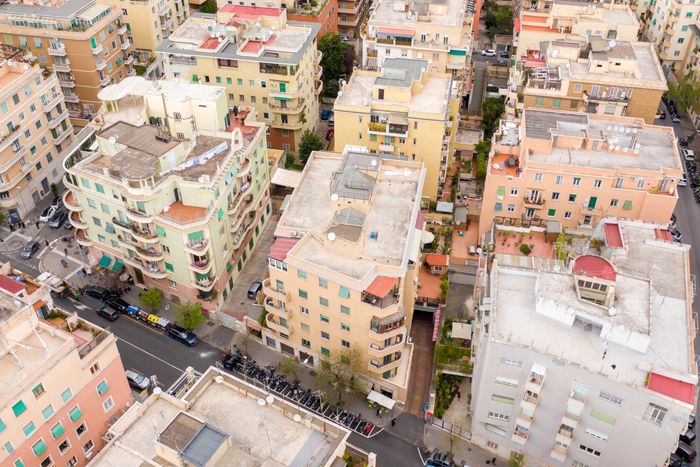
Photo: Stefano Tammaro/Shutterstock
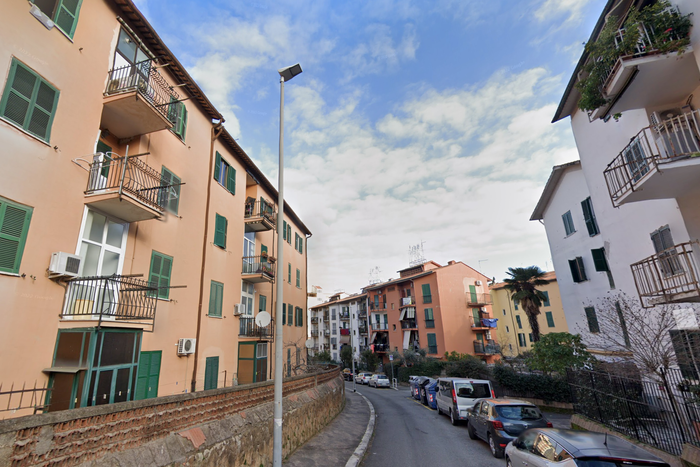
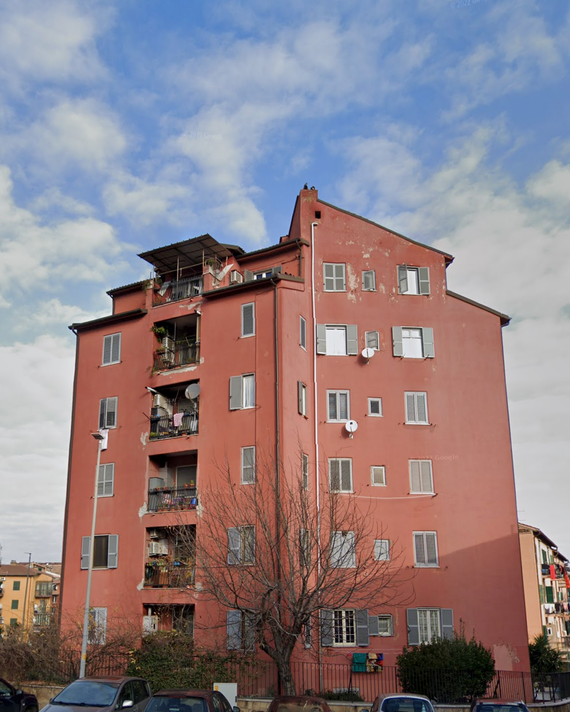
From left: Photo: Google MapsToday’s working-class Tiburtino neighborhood in Rome evolved out of a postwar government plan that put character and sociability before efficiency. Photo: Google Maps
From top: Photo: Google MapsToday’s working-class Tiburtino neighborhood in Rome evolved out of a postwar government plan that put character and socia… more
From top: Photo: Google MapsToday’s working-class Tiburtino neighborhood in Rome evolved out of a postwar government plan that put character and sociability before efficiency. Photo: Google Maps
These large-scale projects, part of a nationwide housing drive, provided a template for a capital whose population increased by nearly 70 percent in the two decades after the war. And all that humane planning has proved durable: The Tuscolano area retains the flavor of working-class Rome that has been largely expunged from the center. Hardware stores, coffee bars, budget clothing boutiques, small grocery stores, and stationery shops line the sidewalks. Families that have lived in the area since the buildings went up now share entryways with more recent arrivals from the Philippines, Eastern Europe, and Bangladesh.
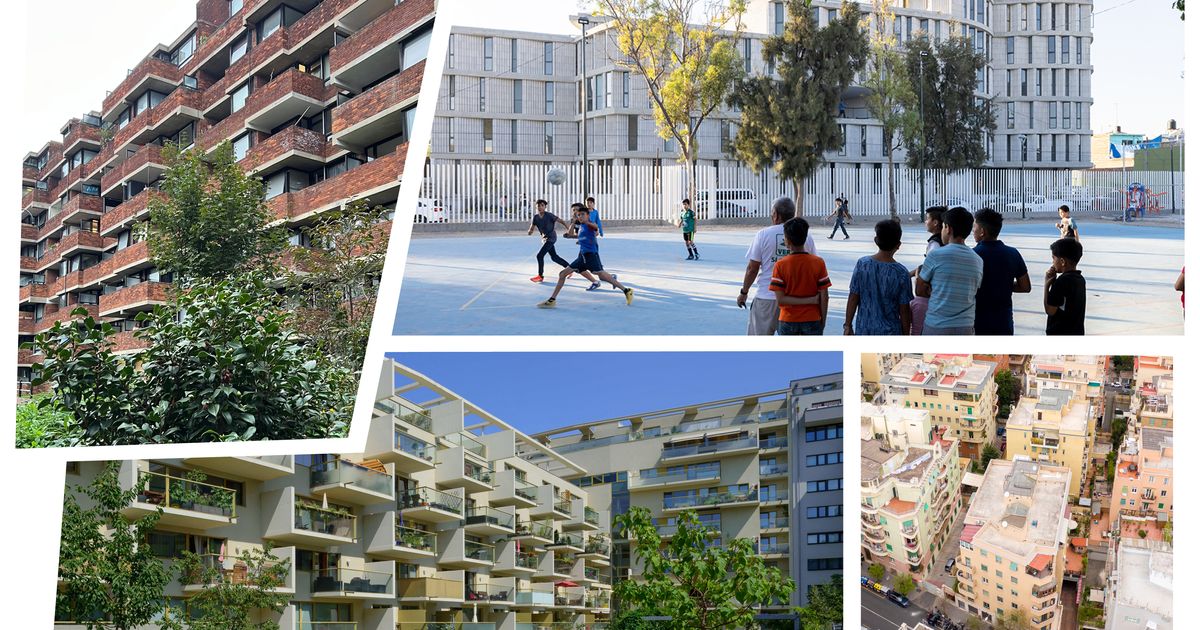
Social housing is almost always a response to an immediate crisis, but solutions become permanent. Those can generate their own forms of dysfunction (as many public-housing projects both here and in the U.K. did) or they can age gracefully and help their residents do the same. As London has become an ever-more deluxe metropolis and waves of privatization have eroded its stock of social housing, the remaining council estates continue to provide havens of affordability, and they can be delightful. In 1960, a pair of young architects, John Darbourne and Geoffrey Darke, won a competition to stitch 540 low-cost apartments into the Victorian streets of Pimlico, a short walk from Tate Britain. They rejected the monolithic gray hulks of postwar modernism and sculpted Lillington Gardens, a dense and intimate campus around interlocking gardens that have matured into lush bowers. Terraced buildings, clad in handmade brick, step up, turn, pull back, and jut like the sides of a canyon — not for the sake of eccentric forms but to maximize variety and views, bring sunlight into the center of the block, and ensure that a parent leaning on their kitchen balcony can glance at the kids playing down below. The estate is not a low-rent Eden — it has been plagued by the kind of decay that’s afflicted NYCHA, too — but its example should prompt New York housing officials to ask an envious question: How do we get that?
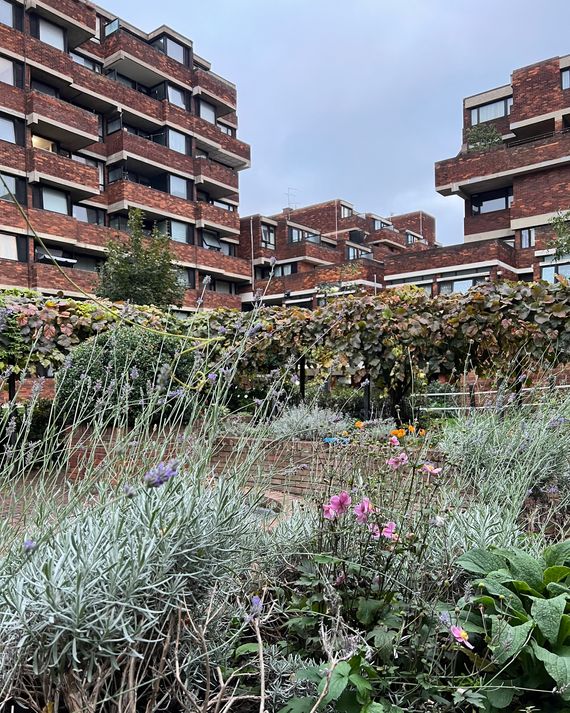
Lillington Gardens, a dense and innovative council estate when it went up in London in the 1960s, has been absorbed into the Victorian streets of Pimlico.
Photo: Justin Davidson
The answer is: We can’t, at least not now. Architects here are hemmed in by regulations governing the amount of livable square footage on a given lot, the placement of windows, the dimensions of staircases, the size of elevators, the width of streets, the types of furnaces. That mixture of the crucial and the fussy squeezes out flexibility, yielding density without vitality, expediency without speed. Even mostly market-rate buildings are afflicted by an air of dutiful efficiency. But rules can change! Armed with his own momentum and the ballot measures’ new tools, the incoming mayor could aim for a city that builds the world’s best social housing instead of just preventing the worst. (He could start by pushing to lower open-space requirements, which date from the mid-century tower-in-the-park aesthetic, and update the definition of a family, making it legal for groups of adults to share a kitchen.)
A common fallacy holds that architecture is about making useful containers pretty. The corollary is that New York needs to grind out housing as quickly and cheaply as possible and can’t get distracted by how it looks. But a “unit” is also a home, and the humans who live in it have needs that go beyond the numerical: dignity, pleasure, stability, companionability. Everyone wants to feel comfortable at home and safe going out without having to negotiate broken elevators, dim lobbies, barren courts, or wide roads — or trek a mile for a loaf of bread.
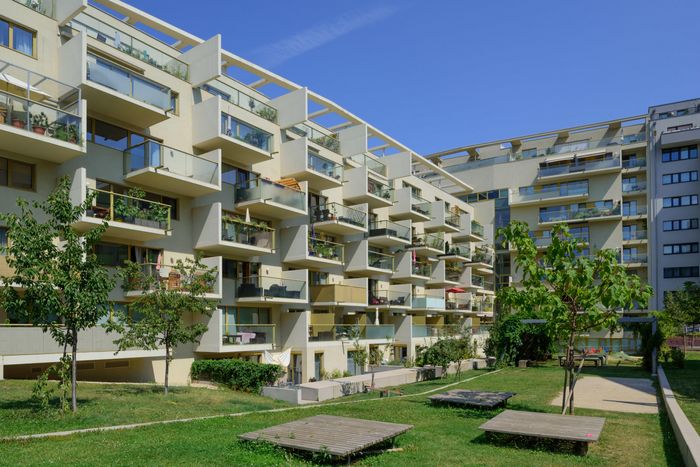
Vienna’s Sonnwendviertel
Photo: Alamy
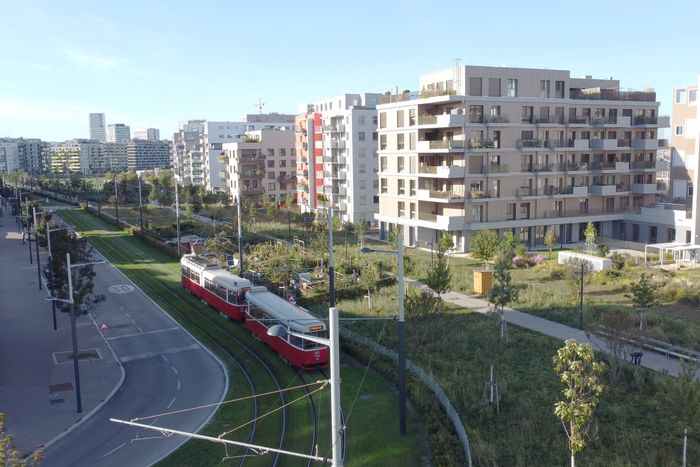
Mixing public transit, green space, shops, and a variety of living arrangements, Vienna’s Sonnwendviertel occupies a disused 84-acre railyard.
Photo: Ralo Mayer
Social housing that meets those desires isn’t just a relic of the past. Vienna, that mecca of housing nerds and envious politicians, where more than half the population lives in rent-regulated apartments, continues to add to its stock. Even as it was erecting a new central train station, which opened in 2015, it also converted a nearby rail yard into the district of Sonnwendviertel. Though the process was led by the city government, a series of competitions yielded a motley and colorful collection of five- to eight-story buildings that house 13,000 residents surrounding a central park. Architecture studios are interspersed with micro-units, residents can recombine apartments as their families evolve, ground-floor spaces are compact enough for vegetable markets and craft stores, children roam safely along pedestrian paths, and the whole neighborhood converges on a shared canteen. The goal of the planning process was to avoid homogenous design and intersperse architecture with a variety of landscapes, including open green spaces, playing fields, semi-public courtyards, and gardens. It’s the kind of development that would quickly become pricey if it weren’t dedicated to avoiding that fate.
It’s not as if New York architects are ignorant of how to fashion pleasant places on a budget. The Brooklyn-based firm So-IL, which has lately been supplying fresh architecture for deep pockets, learned a lot from its 2021 Las Américas project in León, Mexico. Though it is huge compared to the huddle of ground-hugging boxes it faces across the street, it manages to create an enfolding ambience akin to Lillington Gardens. It’s not just social housing; it’s sociable housing. The keys are structural: The figure-eight form wraps two connected courtyards, and customized white concrete blocks fit together into walls that are ridged, shadowed, and curved. The design is meant to diffuse sunshine, mitigate heat, maximize breezes, and prompt conversations on landings, stairs, and outdoor hallways.
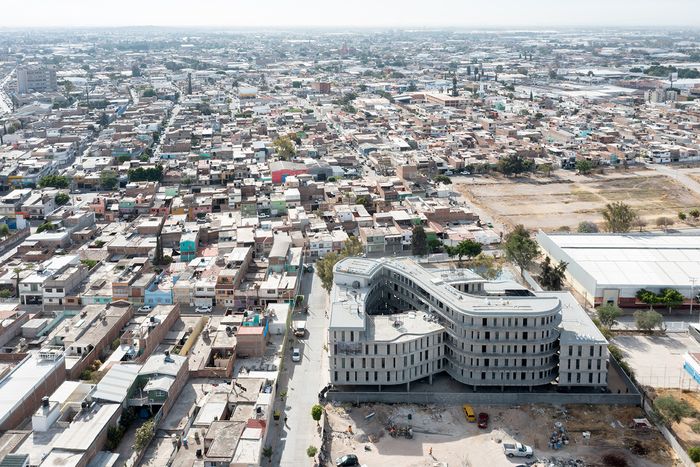
The Brooklyn-based architecture firm SO-IL tried to import the lessons learned form its experience designing social housing in Leon, Mexico. They ran into a wall of rules and conventions.
Photo: Courtesy Iwan Baan
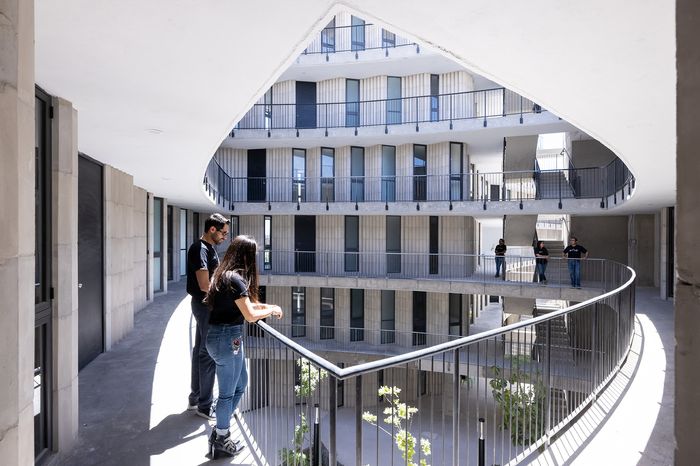
Photo: Courtesy of Iwan Baan
Learning from such places can be frustrating. SO-IL’s León building is a six-story walk-up; in New York, four stories and up require an elevator, which jacks up costs. Vienna’s Sonnwendviertel extends over 84 acres, a savannalike habitat that’s extremely rare in the five boroughs. Applying principles learned abroad would require a social-housing zoning overlay that permits all kinds of old-fangled quirks that most of us intuitively recognize as good: mid-rise terraces, compact courtyards, cross-ventilated corridors, and flexible floor plans. But surely some would object to the undemocratic undertones of a two tiered set of rules: tighter for market-rate housing, looser for the subsidized kind.
Not even an idealistic young political whiz can summon the conditions of the past or other continents. The centralized power of Italy’s postwar government (and its financial backing from the United States), the exuberant egalitarianism of 1960s London, the government’s outsize role in Vienna’s housing market, the forgiving weather of León — each of these affects both policy and product. But all these unique conditions produced inspiring social housing, which means we can, too. If the new administration’s housing chiefs raised their eyes to other parts of the world, they could choose which models to emulate, then reverse-engineer the rules and incentives to produce comparable results. After all, Mamdani won by rejecting inertia and brandishing a vigorous optimism. He can live up to that promise by creating affordable housing that New Yorkers love, cherish, and protect rather than merely tolerate.
Related