
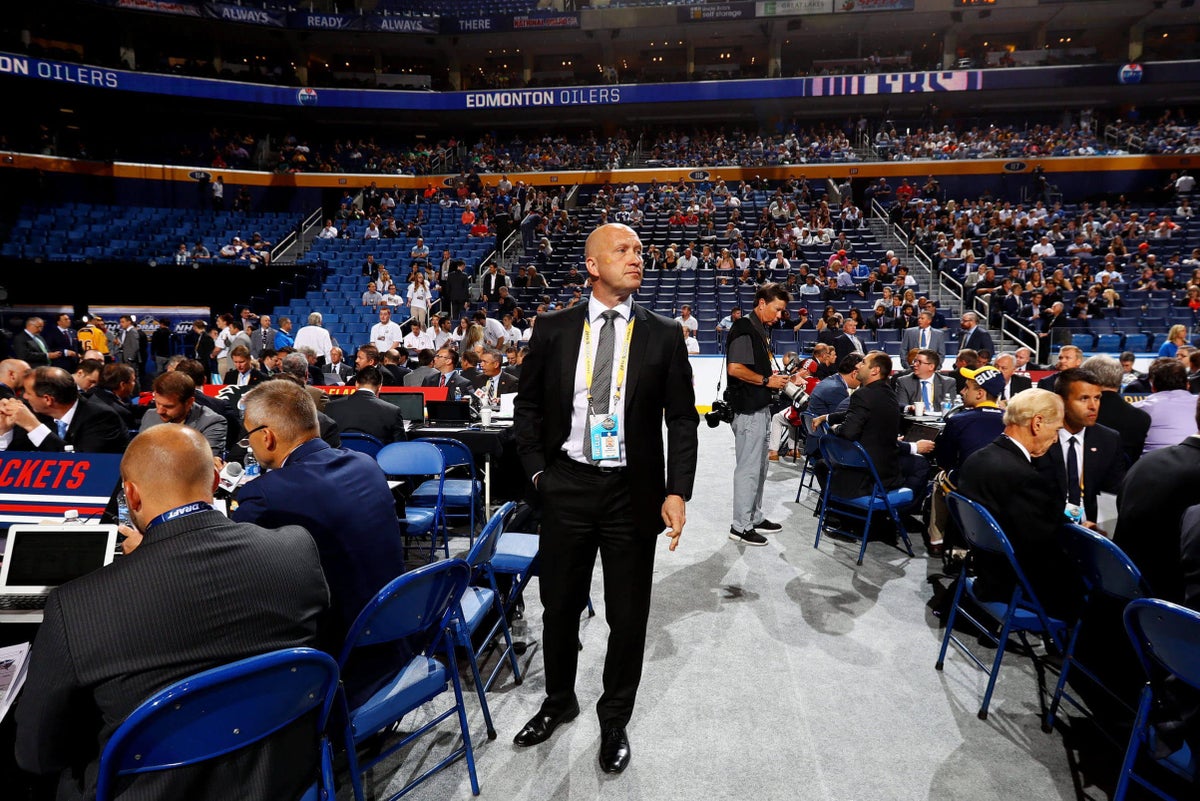
BUFFALO, N.Y. — The Buffalo Sabres made an overdue move at general manager on Monday, firing Kevyn Adams and replacing him with Jarmo Kekäläinen.
Adams’ continued employment was becoming a weight on the organization, both in the locker room and on the business side. In particular, the manner in which Adams got the job made it tough for him to win over a skeptical fan base amid the Sabres’ general lack of success over the last five and a half years.
This wasn’t about a single whiffed trade or even last year’s infamous “palm trees and taxes” news conference. This was a general manager who became increasingly closed off, inside and outside the building, as the team began to face heightened pressure to compete. He failed to act proactively in the face of obvious issues with the roster in recent seasons, and the Sabres’ playoff drought extended to an NHL-record 14 seasons under his watch.
In the news release announcing the general manager change, Sabres owner Terry Pegula said, “We are dedicated to building an organization that is competitive year after year, and we have fallen short of that expectation.”
That’s a much lower bar than the one Pegula set when he first bought the team, stating the team’s sole reason for existence would be to win the Stanley Cup. But the Sabres have to start somewhere, and respectability is a reasonable goal.
Enter Kekäläinen.
Given Pegula’s track record with hockey decisions, there will be some skepticism about the Sabres not conducting an exhaustive search before naming Kekäläinen the general manager. But this is different than when Adams was hired without any significant experience in hockey operations. Kekäläinen spent 11-plus years as general manager of the Columbus Blue Jackets and before that held high-ranking positions with the Ottawa Senators and St. Louis Blues. His track record as Blue Jackets general manager wasn’t perfect, but his resume is lengthy, his reputation around the league is strong and he’s made an impression on the organization in the seven months since the Sabres hired him as a senior adviser.
That search for a senior adviser was a legitimate one. Of course, the pool of candidates willing to take a senior adviser job is smaller than the one the Sabres would have had if they chose to fire Adams and do a general manager search in the spring. That said, the pool is typically filled with people who have held a general manager job in the past. That seemed important to Pegula in his next general manager, especially considering he’s never hired a general manager with previous experience in the role.
Now we’ll see if that experience helps Kekäläinen do what’s necessary to get the Sabres back to the playoffs. During his tenure as general manager in Columbus, Kekäläinen developed a reputation as a bold decision-maker who was willing to make aggressive trades to reshape his team’s roster. The Sabres don’t have time for Kekäläinen to stray from that reputation as he takes the keys to Buffalo’s hockey operations department. Part of why this move makes sense now is because roster building in the NHL is a year-round endeavor. Decisions Kekäläinen makes in the weeks and months to come could affect the Sabres for years. And this roster isn’t far off from being playoff-ready with the right moves.
But Kekäläinen’s to-do list will be lengthy.
1. He needs to figure out the Alex Tuch situation. A lot of what the Sabres do next depends on Tuch’s willingness to stick around and sign an extension. Tuch’s contract likely would have been cheaper in the summer, but the market has gone up in the months since the season started. If he’s not willing to stay, it’s on Kekalainen to find the best possible trade package for Tuch. Given his popularity in the community, his leadership in the locker room and his effectiveness on the ice, the preference should be to get him under contract at the most reasonable deal possible. But he’s too strong an asset to let him walk away for nothing.
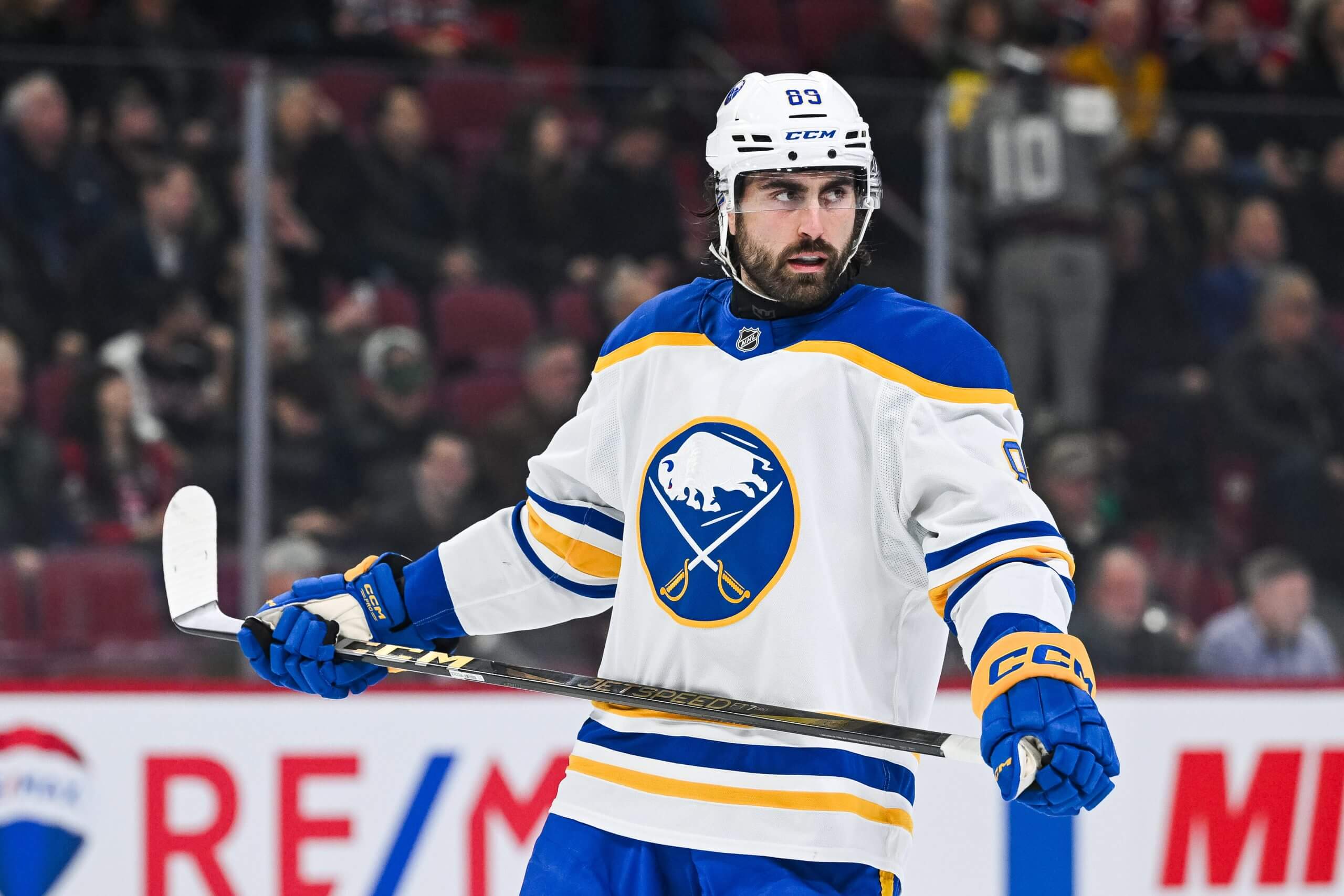
Sabres forward Alex Tuch is a pending unrestricted free agent. (David Kirouac / Imagn Images)
2. Downstream from the Tuch decision is Kekäläinen’s ability to convince the team’s best players, particularly Tage Thompson and Rasmus Dahlin, that he’s going to be able to turn things around. I don’t have reason to believe Thompson and Dahlin will be a tough sell in that regard. But those two won’t have much tolerance for another rebuild. Once Kekäläinen wins over the players in the room, he can focus on selling the rest of the league on this situation.
3. Kekäläinen also needs to handle Buffalo’s restricted free agents. Tuch isn’t the only one who needs a new contract. Zach Benson, Josh Doan, Michael Kesselring, Peyton Krebs and Isak Rosen are all restricted free agents after the season. Beck Malenstyn is an unrestricted free agent. Kesselring has been injured, so waiting on his deal makes sense. But Benson and Doan look like key pieces to Buffalo’s on-ice future. Doan has enjoyed a breakout season in his first year with the Sabres, and his price tag could be going up with each game played. The same could be said for Benson, especially now that he’s worked his way through some early-season injury trouble. When it comes to figuring out the cap picture for next season and beyond, those two deals will be a big piece of the puzzle.
3. Adams got the Sabres into a three-goalie pickle early this season and never found a resolution to the situation. With Colten Ellis on injured reserve, the Sabres have a temporary break from the ordeal, but that’s not a permanent solution. It’s on Kekäläinen to loosen that logjam. It’s not just that having three goalies is taking away a roster spot; the Sabres also have four goalies under contract for next season when you factor in Devon Levi. At some point, the team needs to make a decision on who the two goalies will be next season and move forward. Kekäläinen doesn’t have the same ties to these players that Adams did, so that should help him assess the situation with a clearer head.
4. The top three items on this to-do list are more immediate in nature, but Kekäläinen should also put his stamp on the organization in the weeks and months to come. Will the Sabres end up with a new coach behind the bench and some other new faces in the front office? Which players fit Kekäläinen’s vision and which need to be swapped out for other pieces?
A big piece of what has ailed the Sabres in recent seasons is that the sum has never been greater than the talented parts on the roster. One way to fix that is by identifying the underperforming players and finding a way to make strong hockey trades to change the mix in the locker room. Another is to make sure the right leadership is in place at all levels of the organization to get players consistently developing and performing to their potential. Adams’ long and close relationship with Pegula made it hard to envision him effectively managing up and pushing Pegula to do what was necessary. Kekäläinen’s outside perspective and firm demeanor should make him better at that part of the job.
Ultimately, the rest of this doesn’t matter without that last piece of the equation. Firing Adams was the easiest and most obvious change Pegula could make. But pretending that the last five and a half years were simply an Adams problem would be a mistake. The playoff drought has lasted the entirety of Pegula’s ownership and pre-dated Adams by nine seasons.
Kekäläinen seems equipped for the role. But he needs to be ready for a heavy lift.