
When Hurricane Ida struck New York City in 2021, 11 people drowned at home—most living in basement apartments. The storm exposed the inseparability of housing safety, public health and affordability. And it came as the city reeled from COVID-19, which claimed more than 45,000 lives and left entire communities traumatized.
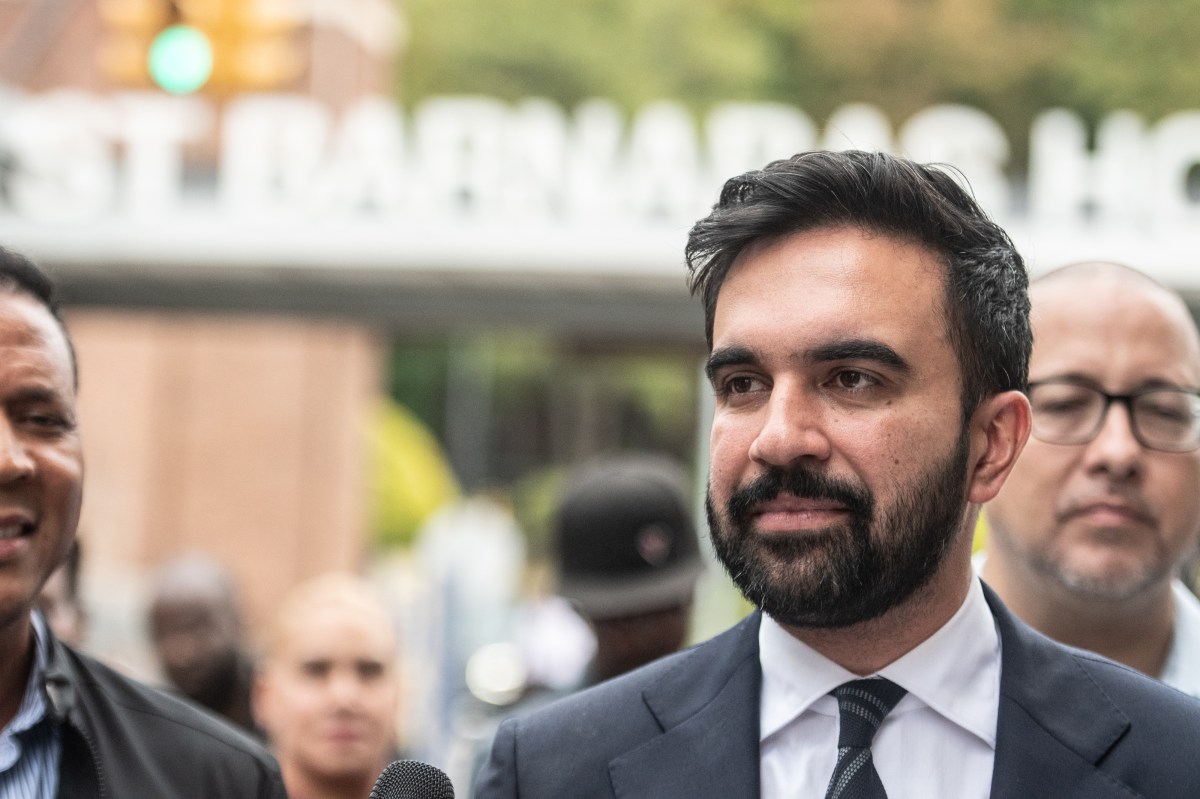
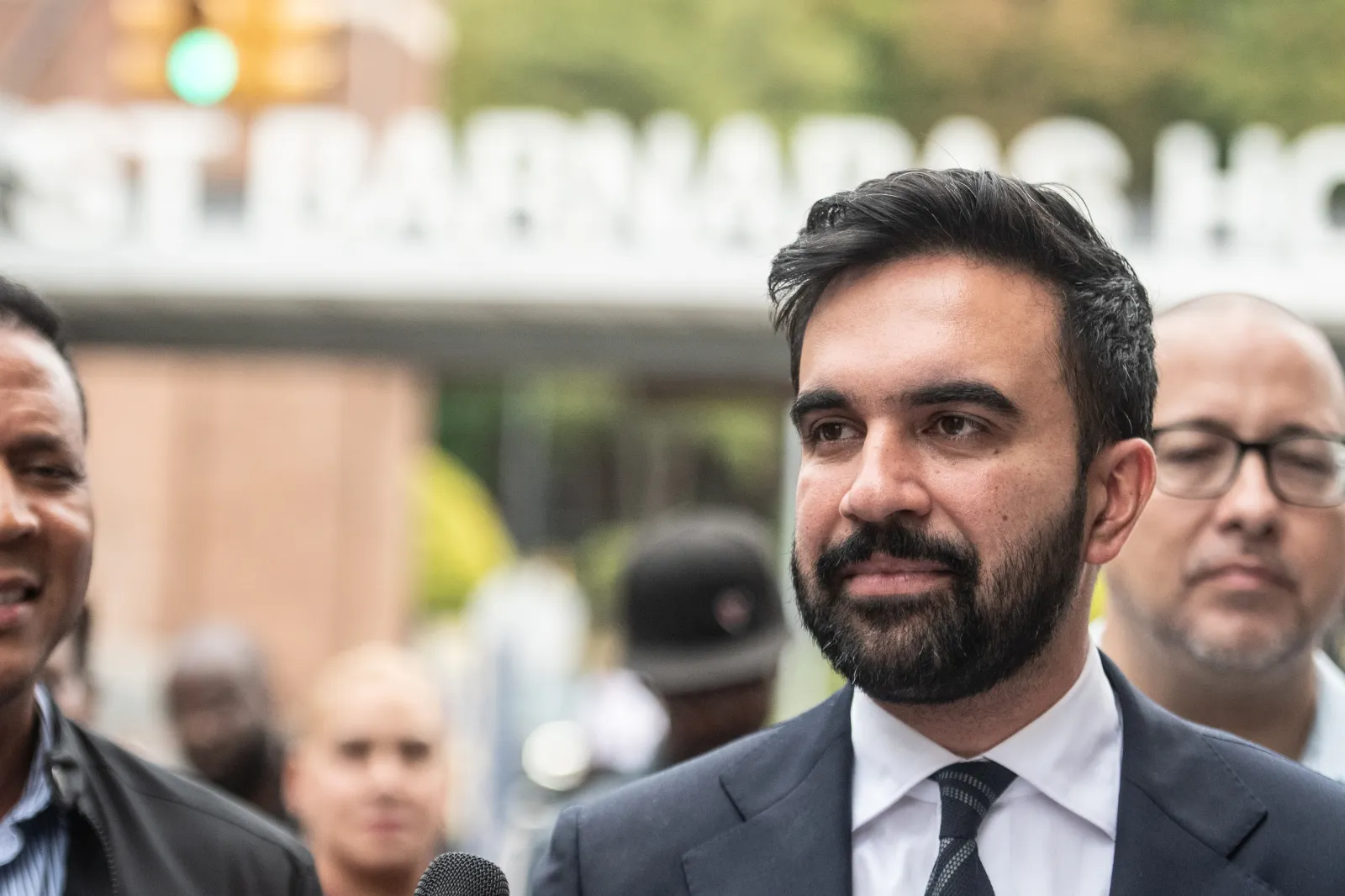
Ida and COVID unveiled the city’s vulnerabilities and the urgent need for a more resilient public health system. New Yorkers carried those lessons. When they elected Zohran Mamdani on an affordability platform, they weren’t just demanding lower costs—they were seeking relief from the health consequences of living in a city stretched to its limits.
Fare-free buses, city-owned grocery stores, expanded affordable housing and universal child care are economic reforms—and, if the cards are played right, public health policies.
Affordability cannot deliver dignity or mobility if the structural conditions shaping people’s lives remain unchanged. Housing, safety, reproductive justice, climate resilience and public health infrastructure are not separate issues but interlocking systems that determine who gets to live well in this city and who is left behind.
This understanding guides Columbia University’s Department of Population and Family Health to release a six-point public health plan in an open letter to Mayor-elect Mamdani—a blueprint for ensuring his agenda becomes a foundation for health, stability and justice. And because cities across America are grappling with similar challenges, what New York chooses to do will send a national signal.
Pair Housing Reforms With Health Protections
Housing instability is a strong predictor of poor health. Research shows that eviction increases mortality, emergency room use and mental distress. In NYC, 25 percent of residents live in poverty, and more than 146,000 public school students experienced homelessness in 2023–24, a record high.
A public health approach to affordability means pairing housing reforms with health goals and metrics, including lowering asthma and injury rates in poorly maintained buildings. It also requires expanding supportive housing and strengthening health—legal partnerships that help tenants fight unlawful evictions and address hazardous living conditions.
Ensure Community Safety Through Care
The criminalization of poverty, mental illness and substance use has caused enormous harm while doing little to improve safety. Growing evidence points to a better approach that strengthens safety by strengthening care.
A 2025 study found a 45 percent decrease in arrests among people served by mobile crisis teams, and a 2024 review showed improved care linkage and reduced reliance on police and emergency departments.
New York can lead by investing in care-centered, non-police crisis response and by training mental health providers across trusted local organizations, peer networks, faith centers, salons and barbershops.
Advance Reproductive Justice With Community-Rooted Care
New York is a refuge for reproductive health care, but outcomes reveal deep inequities. The city’s pregnancy-associated mortality ratio is 52.3 deaths per 100,000 live births, and Black birthing people are nearly five times more likely to die than white ones.
NYC can scale up community-based maternal health models, including midwifery, doula care and home visiting. It must also protect contraception and abortion access; invest in school-based health centers; expand comprehensive sexuality education and strengthen postpartum supports.
Build a Climate-Ready City That Protects Health
Climate change is already reshaping health in New York. Extreme heat now causes more annual deaths here than any other natural hazard, and formerly redlined neighborhoods can be up to 15 degrees hotter than wealthier areas, driving respiratory and cardiovascular illness.
By embedding health equity into every climate policy, the city can protect outdoor and low-wage workers, ensure emergency plans guarantee access to chronic disease management and sexual and reproductive health services and upgrade drainage and stormwater systems in flood-prone neighborhoods.
Strengthen the City’s Future by Investing in Children
Although research shows that early childhood conditions shape lifelong health, education, and economic mobility, more than 80 percent of NYC families with a child under 5 cannot afford child care, and child care workers earn just 45 percent of the median income.
Schools and early childhood centers should function as health hubs, providing mental health services, vision and dental care, reproductive health supports and nutrition programs.
Invest in Public Health Infrastructure
Threaded through all of this is the city’s public health infrastructure—the connective tissue for every other system. Public health interventions yield a median return on investment of 14:1, yet systems remain chronically underfunded nationwide.
NYC can lead by fully funding its health departments and hospitals; investing in community health workers; using evidence to drive investment and data to drive equity; and increasing collaboration among government, academia and community organizations.
These six priorities create a blueprint for a healthier, more equitable, thriving New York that can withstand future crises. As public health, science and human rights are attacked across the country, New York can show that affordability and health are inseparable and that a more just city is possible for all.
Thoai D. Ngo, PhD, MHS, is the chair and professor of the Heilbrunn Department of Population and Family Health at Columbia University Mailman School of Public Health.
The views expressed in this article are the writer’s own.