
STATEN ISLAND, N.Y. — Gov. Kathy Hochul announced Wednesday that she will sign a revised Medical Aid in Dying Act in January 2026, setting New York on course to legalize a tightly regulated end‑of‑life option for terminally ill adults.
The law would take effect six months after signing to allow state agencies and health systems time to prepare.
Even as it gained momentum, the law remained controversial, and was pushed forward largely because of passionate advocacy. In some cases the advocates were dying people—or their loved ones—who shared their suffering in the hopes of getting the bill passed.
Given the strong feelings on both sides, Hochul’s decision follows months of deliberation and adds new protections to the bill lawmakers approved earlier this year. In an official statement, the governor framed the policy as a compassionate extension of personal autonomy, noting her mother’s death from ALS and describing the measure as “shortening dying,” not life.
How we got here
The Medical Aid in Dying Act first appeared in Albany a decade ago, supported back then by an early Staten Island advocate: then-state Sen. Diane Savino.
The legislation didn’t win its first floor votes until 2025, passing the Assembly in April and the Senate in June.
On Staten Island, Sen. Jessica Scarcella‑Spanton, a prime co‑sponsor and Savino’s successor, voted in favor, while Sen. Andrew Lanza voted against. When running for reelection last year, Scarcella-Spanton spoke to the Advance/SILive.com of spending time with dying people who desperately wanted medically-assisted death legalized.
Heartbreaking Staten Island and New York stories fueled the conversation
In recent years, the Advance/SILive.com has shared intimate stories of people and families facing terminal illness. Those who believed the law should pass advocated for it, even when it was clear it would come too late for them.
After passage of the law in the senate, Scarcella-Spanton said “I kept the advocacy of Brian Moffett, Ayla Eilert, and Gina Luongo with me through out the fight to get this passed. I am grateful to my colleagues for their support and look forward to this historic bill getting signed into law.”
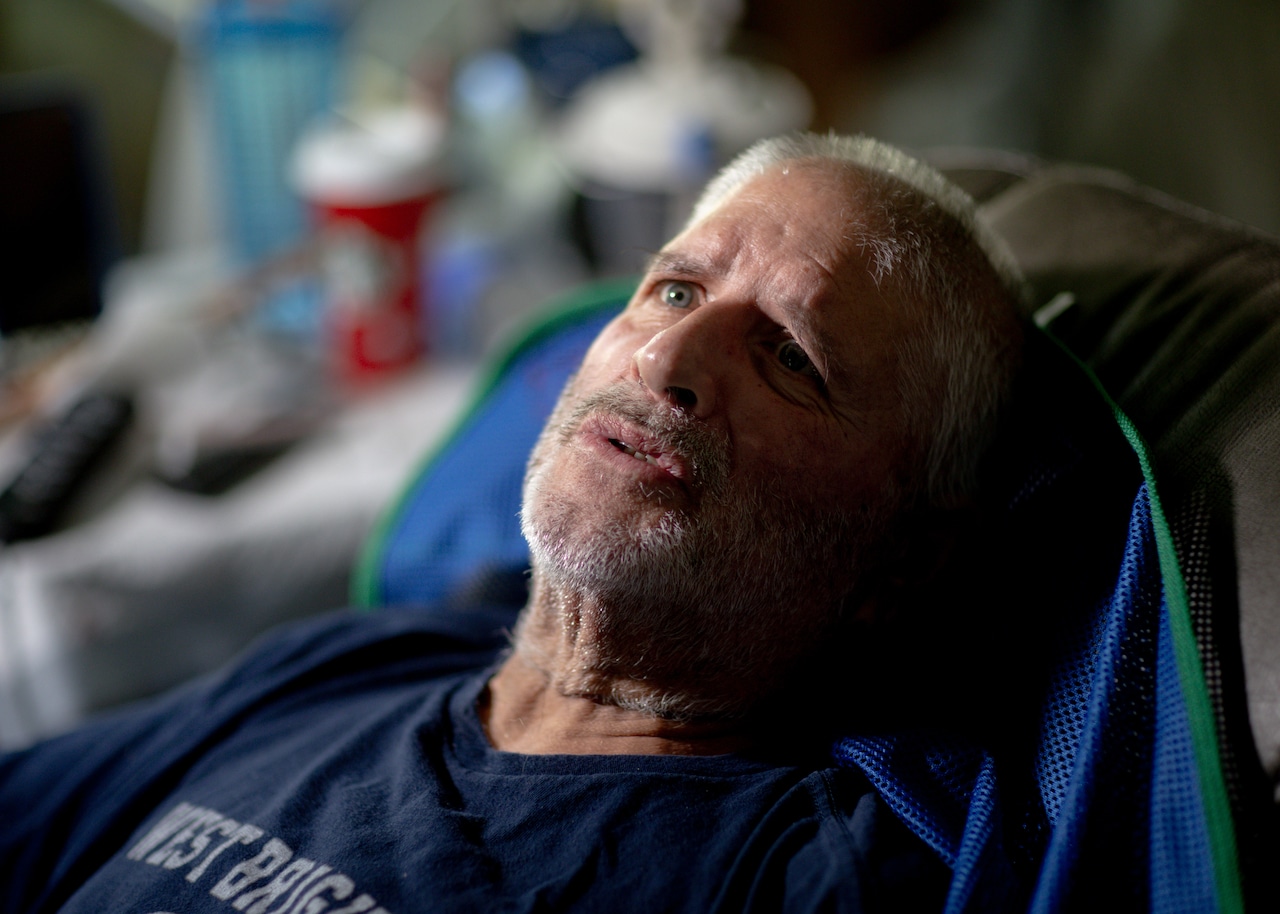
Brian Moffett: An ALS advocate whose legacy helped move lawmakers
Brian Moffett, a longtime Staten Islander and founding member of the Westerleigh Folk Festival, was diagnosed with ALS and became a vocal proponent of medical aid in dying. He spoke about wanting control and dignity at the end of life and urged lawmakers to act; he died in 2024 at age 66. Family and friends later remembered him as an organizer, father and friend — and as someone who hoped the law would be part of his legacy.
In a subsequent reflection published by the Advance/SILive.com, his family described the fear and suffering of his final days — emotions that advocates argue the new law aims to address.
 Ayla Eilert, a Manhattan resident, died of cancer at just 24 years old. Through her battle, she asked for medical aid in dying, and impossible request as New York does not allow it. (Eilert family photos)Eilert family photosAyla Rain Eilert: A young New Yorker’s pain —and her parents’ plea
Advocates frequently pointed to Ayla Rain Eilert, a 24‑year‑old Manhattan resident who died from cancer in 2022 after excruciating pain. Her parents, Daren and Amy Eilert, returned to Albany to testify and lobby lawmakers — telling reporters that watching their daughter’s suffering compelled them to fight for the law.
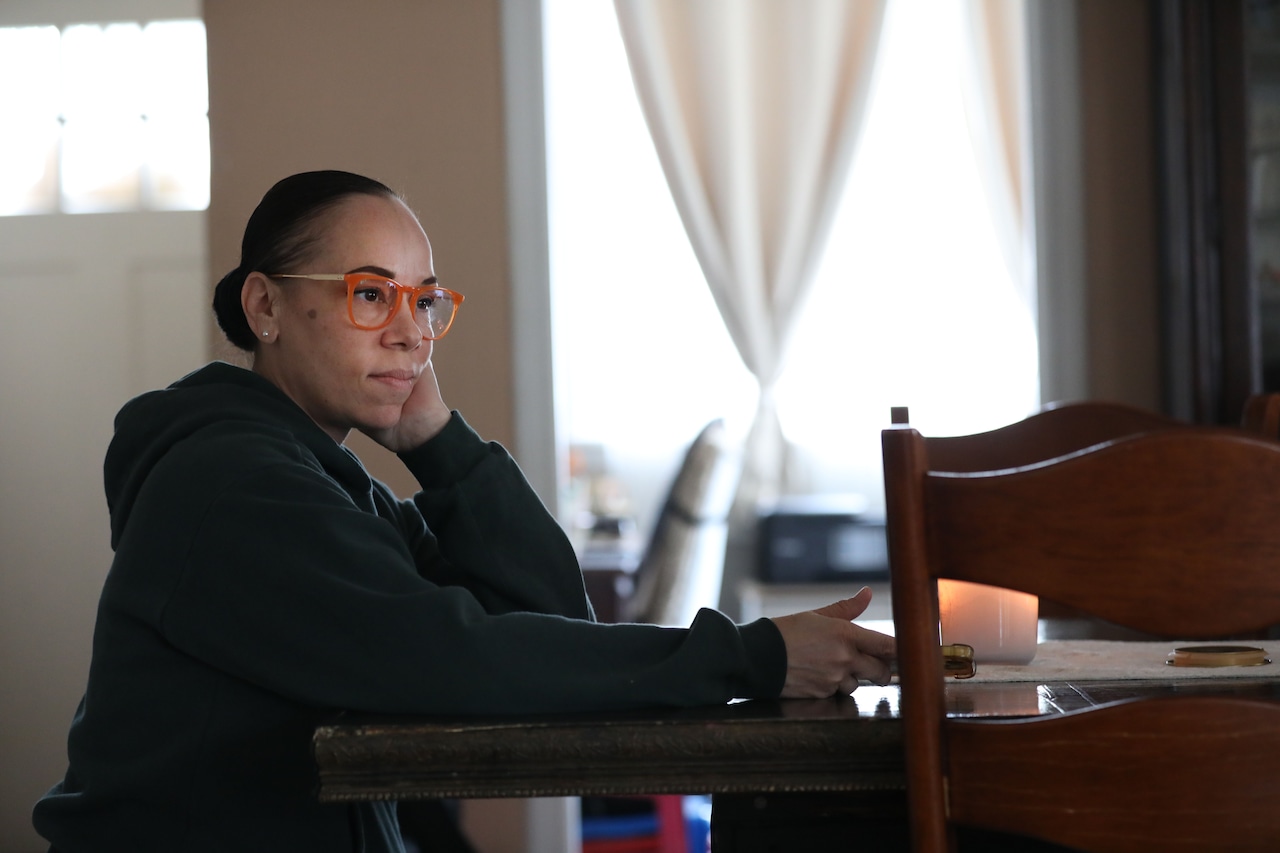 Gina Luongo sits in the dining room of her West Brighton home. Luongo was diagnosed with stage 4 pancreatic cancer in November 2023. (Staten Island Advance/Jan Somma-Hammel)(Advance/SILive.com | Jan Somma-Hammel)Gina Luongo: A Staten Island teacher and coach who wanted comfort
Gina Luongo, a beloved teacher and coach from Staten Island, was diagnosed with stage 4 pancreatic cancer and publicly supported the bill — saying the option would bring her and her family comfort, even if she might never choose it. She died at 52 in May 2025, and her community remembered her devotion to students and her advocacy for dignified end‑of‑life care.
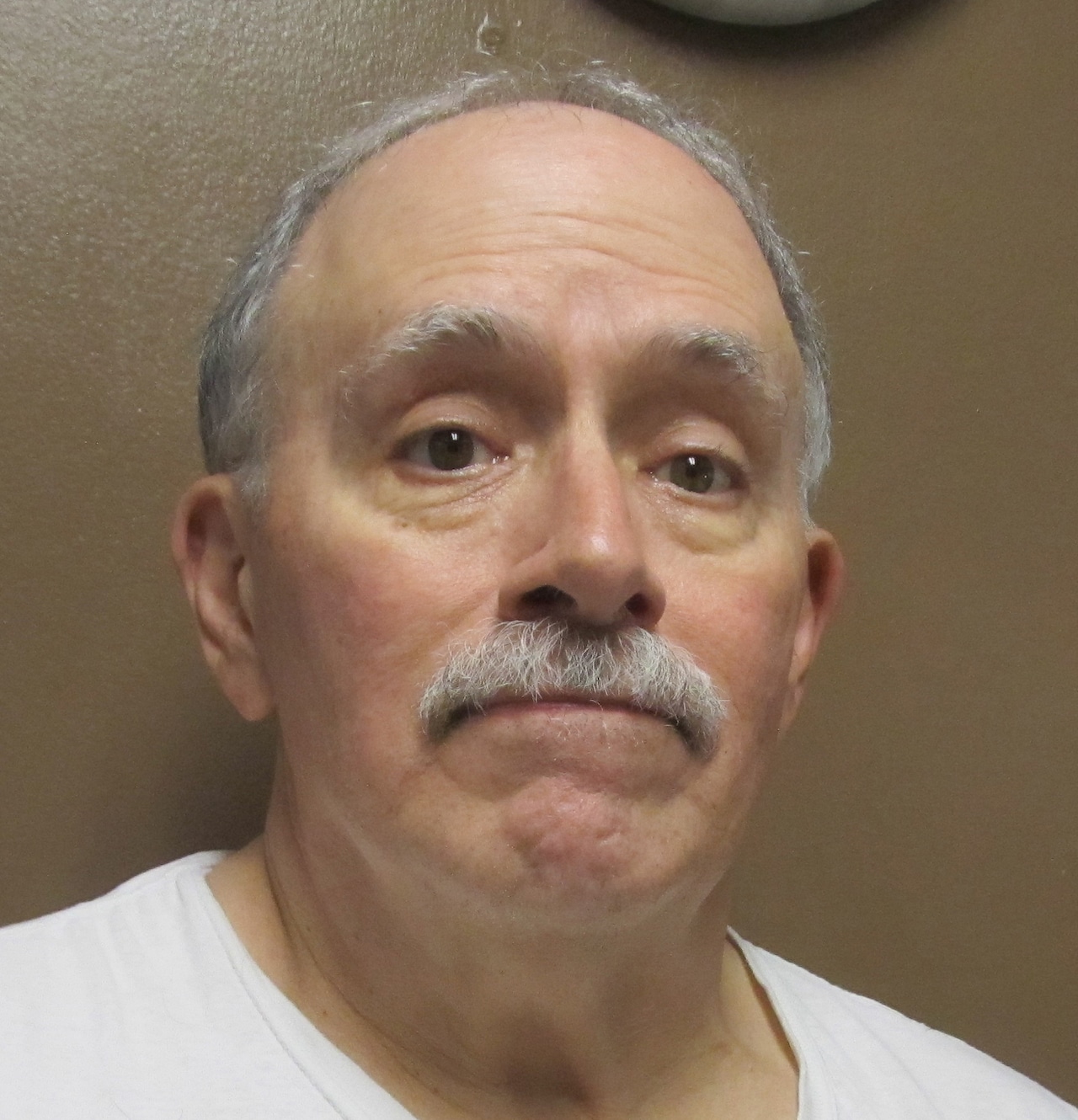 Robert Moffit is a lifelong Staten Islander. He was diagnosed with ALS earlier this year, and was given two to five years to live. He wants New York to pass the Medical Aid in Dying Act. (Courtesy of Robert Moffit)(Courtesy of Robert Moffit)Lifelong Staten Islander Robert Moffit wanted a choice
Robert Moffit, a lifelong Staten Island resident, was diagnosed with ALS in 2024.
By summer of that year, his symptoms already included difficulty speaking, eating and swallowing.
He wrote an open letter calling for the law, which reads in part:
“It is plain to me that nothing will really help my set of conditions. All I have to look forward to is a steady decline into immobility; a full dependence on others for all of my bodily functions. I think I should be able to determine when enough is enough.”
What the law would allow (and what it wouldn’t)
Once enacted, the revised Medical Aid in Dying Act will allow mentally competent New York residents diagnosed with a terminal illness and a prognosis of six months or less to request and self‑administer life‑ending medication.
Participation by physicians and institutions is voluntary, and the process requires multiple steps, witnesses, and capacity checks to ensure decisions are free of coercion.
The bill does not apply to people based solely on age or disability, and adds the five‑day waiting period plus the recorded oral request and mental‑health evaluation before any prescription can be filled.