
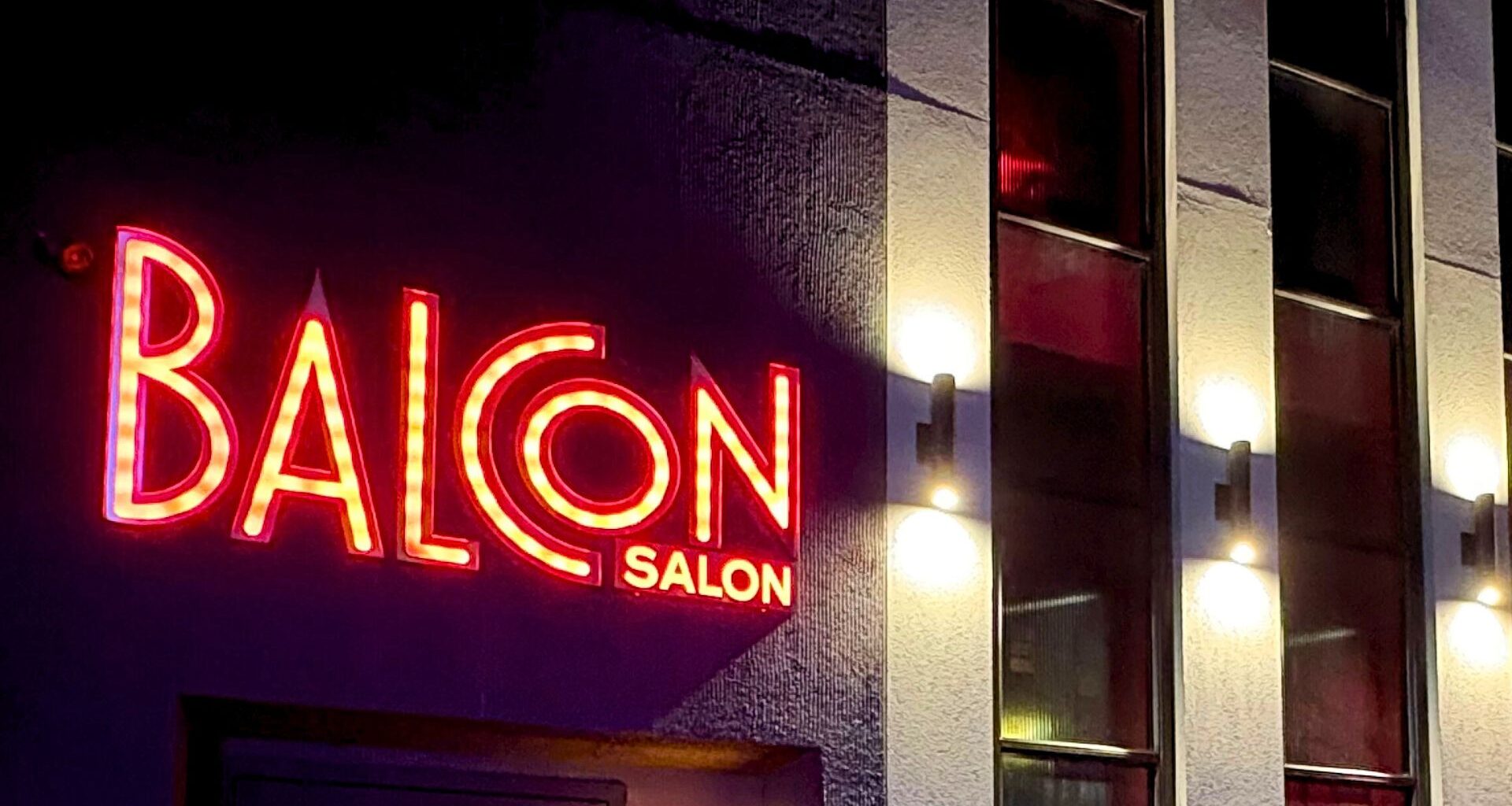
When Balcon Salon opened beside Amy’s Bread in October 2023, its owners pitched it as something new for Hell’s Kitchen: a sleek, art-deco-leaning queer venue with a balcony overlooking a cabaret-style stage — an “experience” built for performances, DJs and packed happy hours.
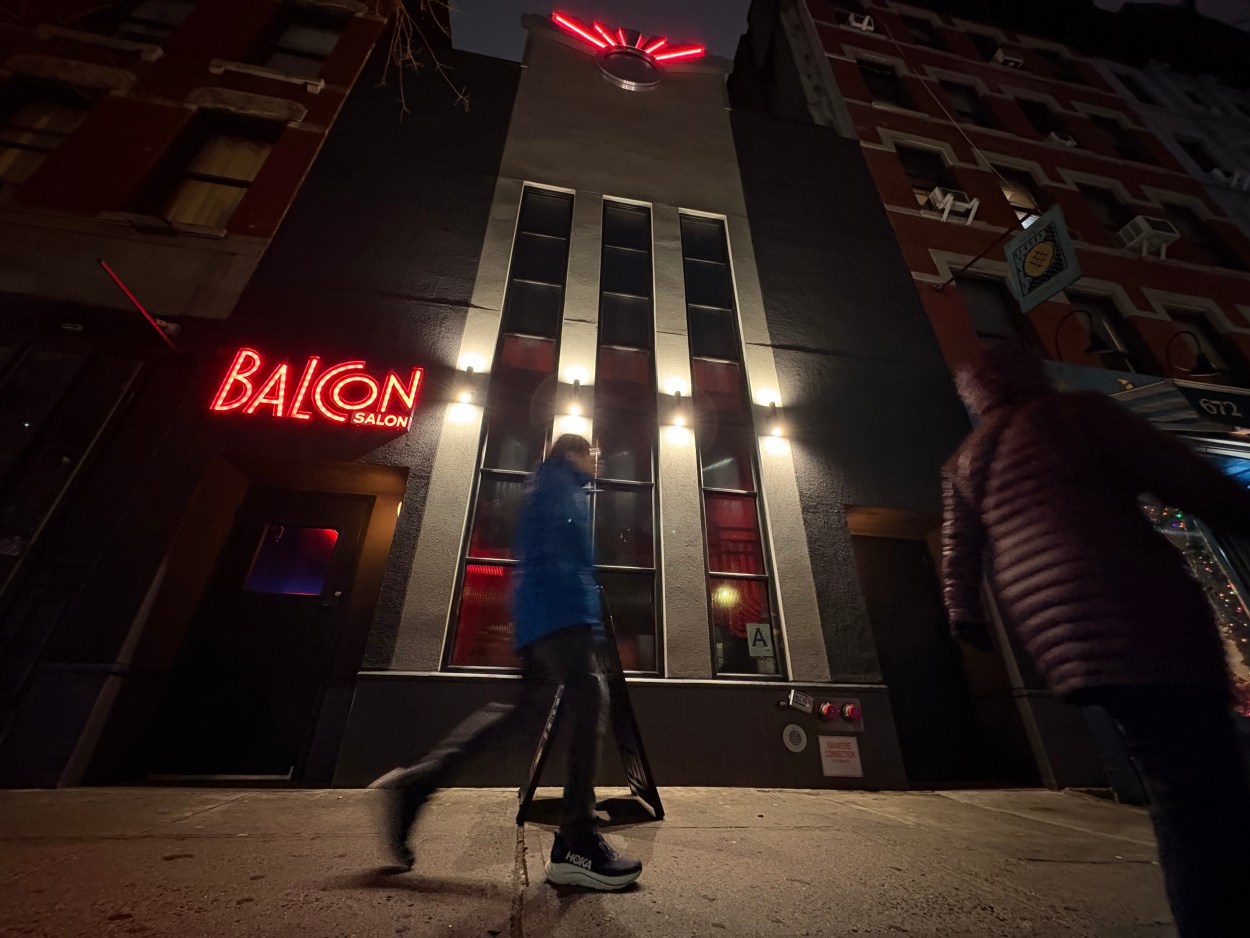 Queer nightlife venue Balcon Salon has filed for Chapter 11 bankruptcy protection — but remains open. Photo: Catie Savage
Just over two years later, the companies behind Balcon have filed for Chapter 11 bankruptcy protection in Manhattan federal court — and have since submitted a proposed liquidating plan that would transfer their interests in the 674 9th Avenue property and related assets to secured lenders, according to recent court filings.
The Chapter 11 case was filed in the US Bankruptcy Court for the Southern District of New York on October 31, 2025, by Advanced Aerospace LLC (which lists “Balcon Salon” as its DBA), along with related entities.
Chapter 11 does not automatically mean a business is closing. It is a process that can allow a business to keep operating while it reorganizes — or, in some cases, liquidates in an orderly way under court supervision.
In a combined Disclosure Statement and Joint Chapter 11 Liquidating Plan of Reorganization filed this month, the debtors describe Balcon Salon as “a pillar of the Hell’s Kitchen LGBT community,” while also laying out a long, expensive development arc that began years before opening night.
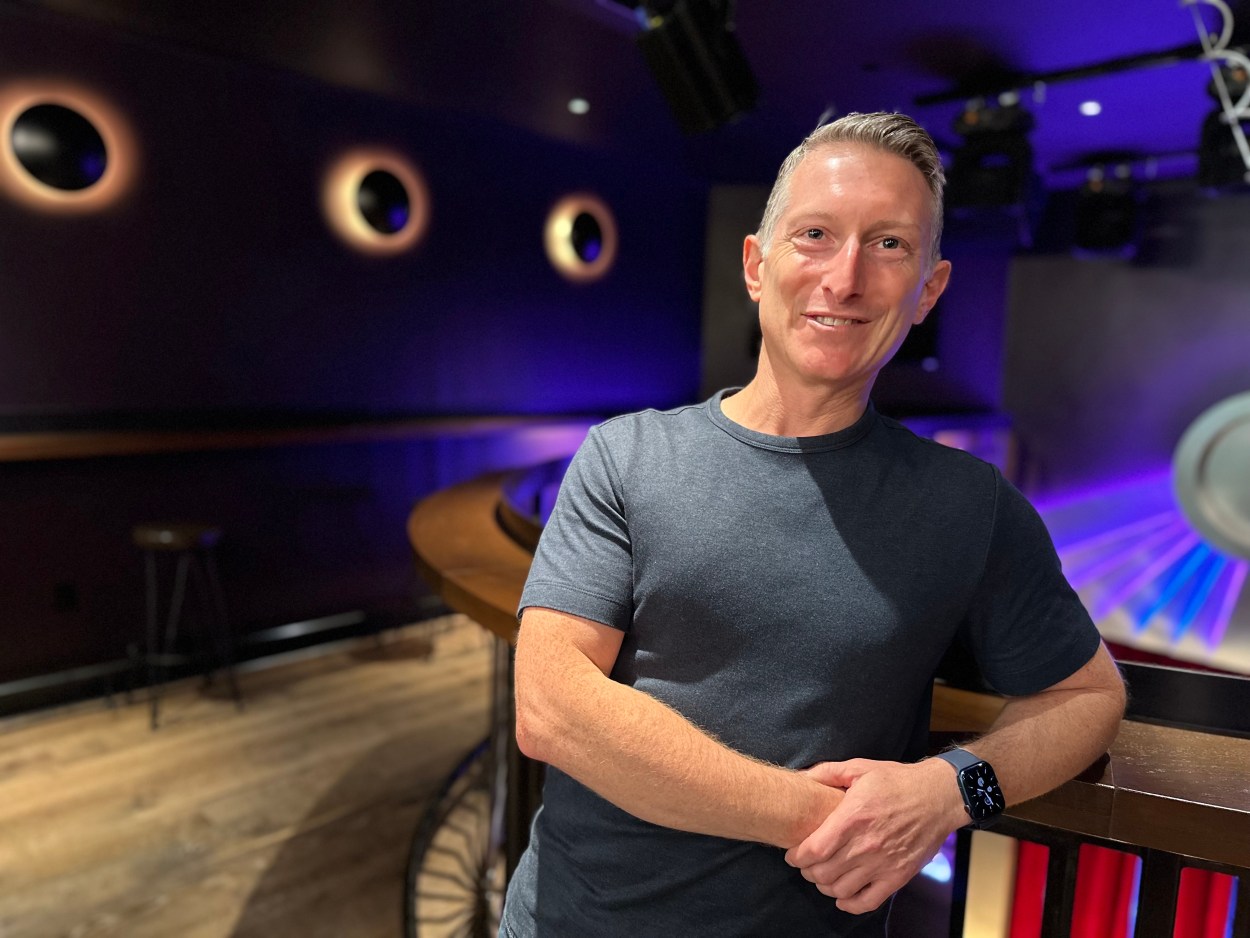 Co-owner Eric Einstein is also operates the popular Hardware Bar in Hell’s Kitchen and Pieces and Playhouse bars in the Village. Photo: Phil O’Brien
That timeline overlaps with what W42ST reported at launch: the owners told us they first pursued the space years earlier, eventually signing a lease in 2021 and undertaking a major renovation to create the venue’s signature layout and ADA access — a “complete gut job” that involved replacing beams and building an elevator, among other work.
In the bankruptcy disclosure statement, the debtors say the buildout hit a major snag when structural damage was discovered during construction, requiring additional work and causing delays. They describe attempts to refinance that they say were disrupted by market conditions, leaving them reliant on expensive bridge loans and straining the project’s finances.
This Chapter 11 filing isn’t framed as a typical ‘turnaround’ plan. The debtors call it a liquidating plan, meaning the goal is to settle debts by giving up assets — rather than reorganizing and continuing as-is, although bankruptcy courts often approve plans that are different from those filed initially. The plan proposes to pay secured creditors primarily by transferring the debtors’ interests in the 674 9th Avenue property and related assets, and to pay general unsecured creditors in cash.
The plan describes the intended recipients of that transfer as Newtek, a commercial lender, and the US Small Business Administration (SBA), the federal agency that supports small-business lending (often by guaranteeing portions of loans). In the filings, they are listed as secured creditors — meaning their claims are tied to collateral — and the plan proposes transferring the property to them as “joint owners” in proportionate shares.
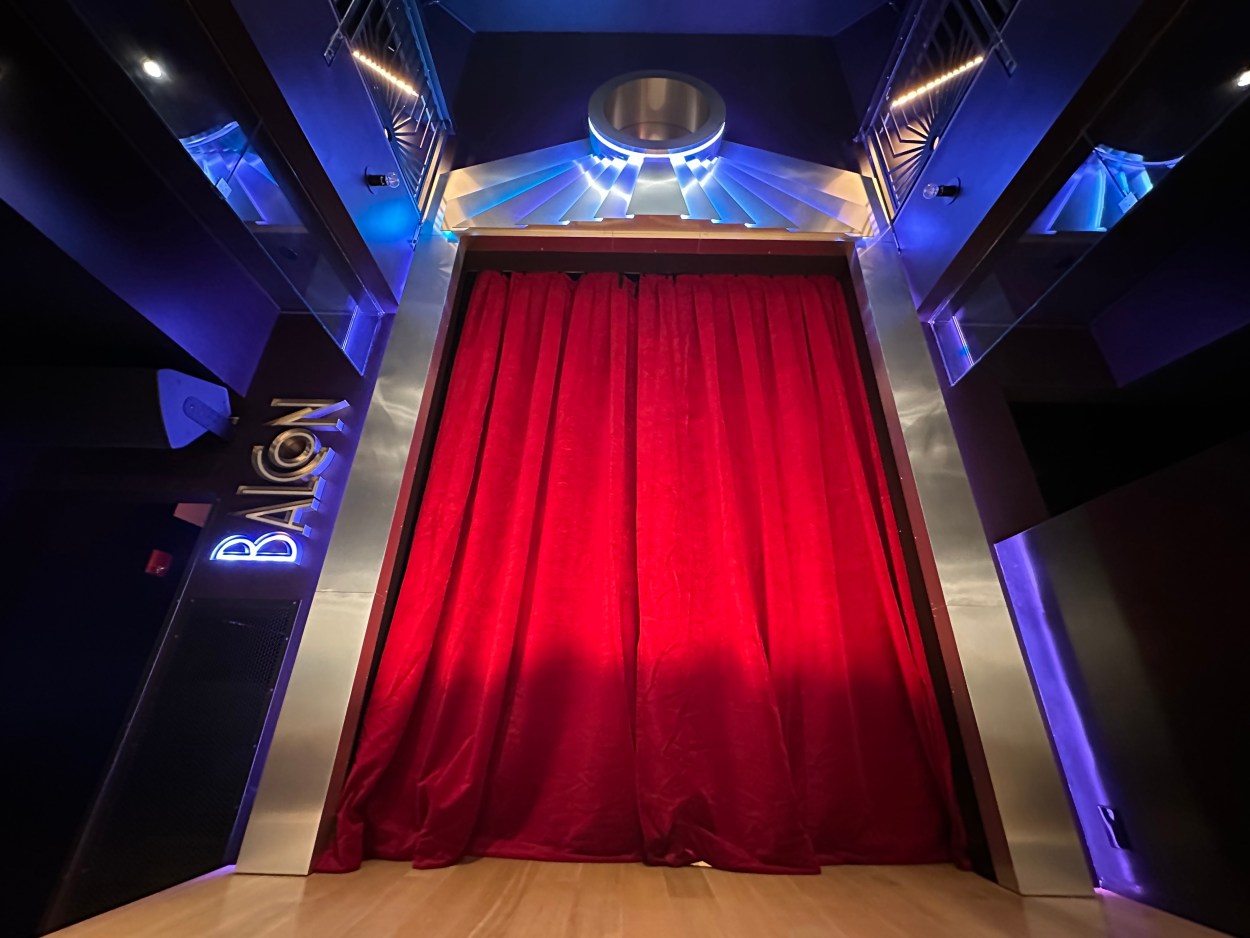 The future of the Balcon Salon stage hangs in the balance. Photo: Phil O’Brien
Monthly operating documents provide an early post-filing snapshot: a balance sheet dated November 30, 2025 lists total liabilities of $12.52 million and an equity deficit of $4.78 million, with two large secured claims listed as Newtek ($7.13 million) and SBA ($4.95 million).
The disclosure statement also describes a foreclosure case that intensified pressure in 2025. The debtors state that Newtek filed a foreclosure action on July 16, 2025, and later sought a receiver, with a motion filed October 8 and a hearing scheduled for November 7.
According to the disclosure statement, after the debtors were unable to negotiate what they describe as a forbearance arrangement with Newtek, they filed for Chapter 11.
The bankruptcy petition was signed by Eric Einstein, listed as “Manager.” The disclosure statement also provides ownership information, stating that the debtors are owned “directly or indirectly” 51% by Eric Einstein and 49% by Justin Buchanan.
Einstein and Buchanan are well-known in the city’s LGBTQ nightlife scene — and in Hell’s Kitchen specifically — as the owners behind local club Hardware (and much-loved New York LGBTQ hangouts Pieces and Playhouse).
For vendors, contractors and others who believe they are owed money, the court has set a general deadline of January 20, 2026 to file claims, with a later deadline for government units.
The court has also approved professional firms in the case, including McGrail & Bensinger LLP as bankruptcy counsel and CFGI, LLC as financial advisor.
The filings lay out a process — but they do not directly answer the question most Hell’s Kitchen residents will have: what this means for Balcon’s day-to-day operations, staff and the future of the venue at its current 9th Avenue location.
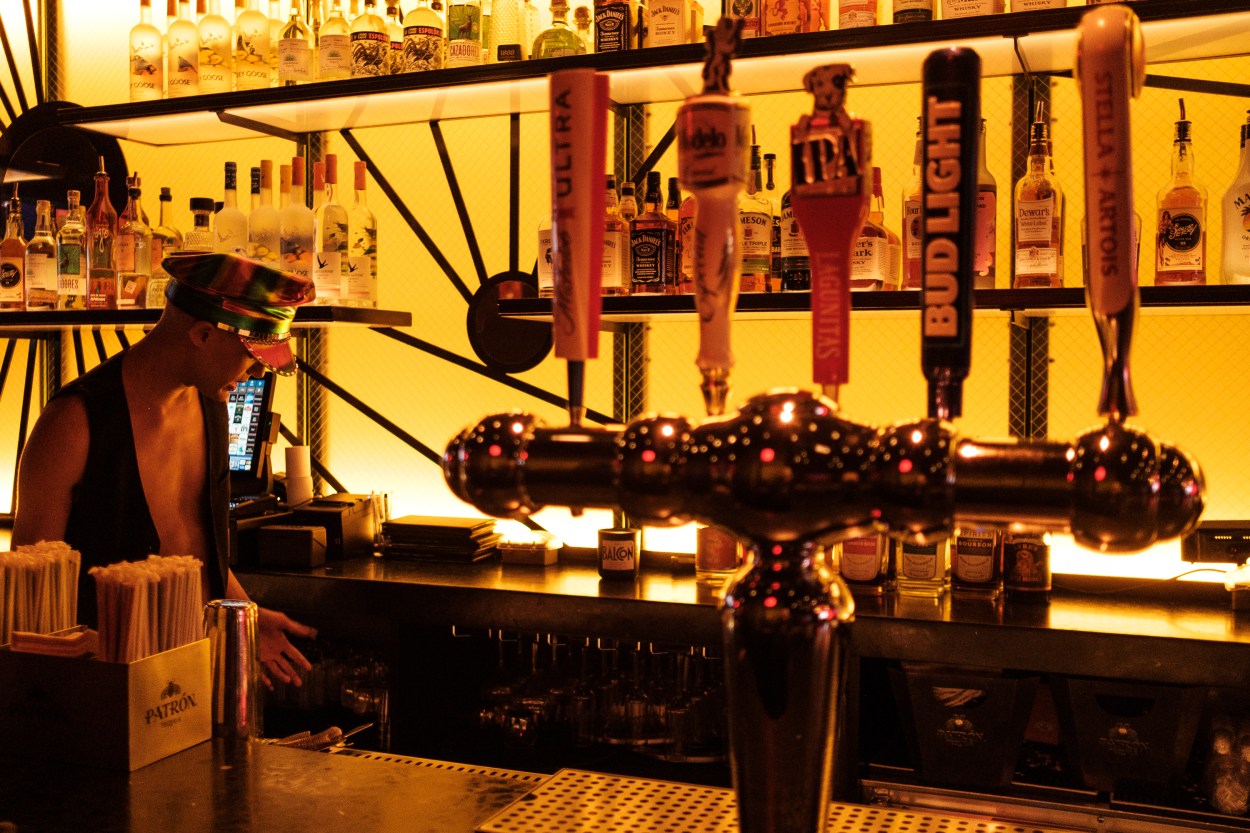 Neighbors who want to show support for Balcon are urged to stop by for a holiday happy hour drink. Photo: Lucas Brito
W42ST reached out to Eric Einstein and McGrail & Bensinger with questions about what the Chapter 11 case means for day-to-day operations — including whether Balcon expects to remain open as normal and what patrons and staff should expect in the coming weeks.
Einstein said Balcon is “business as usual,” and that Hardware is not part of the bankruptcy case. “Beyond that I don’t have any comment,” he added.
Dave McGrail, a co-owner of McGrail & Bensinger who lives in Hell’s Kitchen, confirmed that Balcon remains open while the Chapter 11 case moves forward. McGrail added that neighbors who want to show support can stop by for a holiday happy hour drink.