
New York City has long been seen as the ultimate American destination, offering world-class culture, entertainment, and career opportunities. However, rising living costs, overwhelming crowds, and constant pressure have caused many travelers and residents alike to reconsider its appeal. Across the United States, numerous cities now offer comparable experiences with better quality of life, lower expenses, and a more relaxed atmosphere. These destinations prove that you do not need New York City to experience ambition, creativity, or excitement.
From vibrant arts scenes and booming job markets to walkable neighborhoods and affordable lifestyles, many American cities are quietly outperforming NYC in key areas. They offer space to breathe, easier access to nature, and communities that feel more human-scale. Visitors often discover that these cities deliver richer experiences without the stress and expense associated with New York. For those seeking balance, these alternatives deserve serious attention.
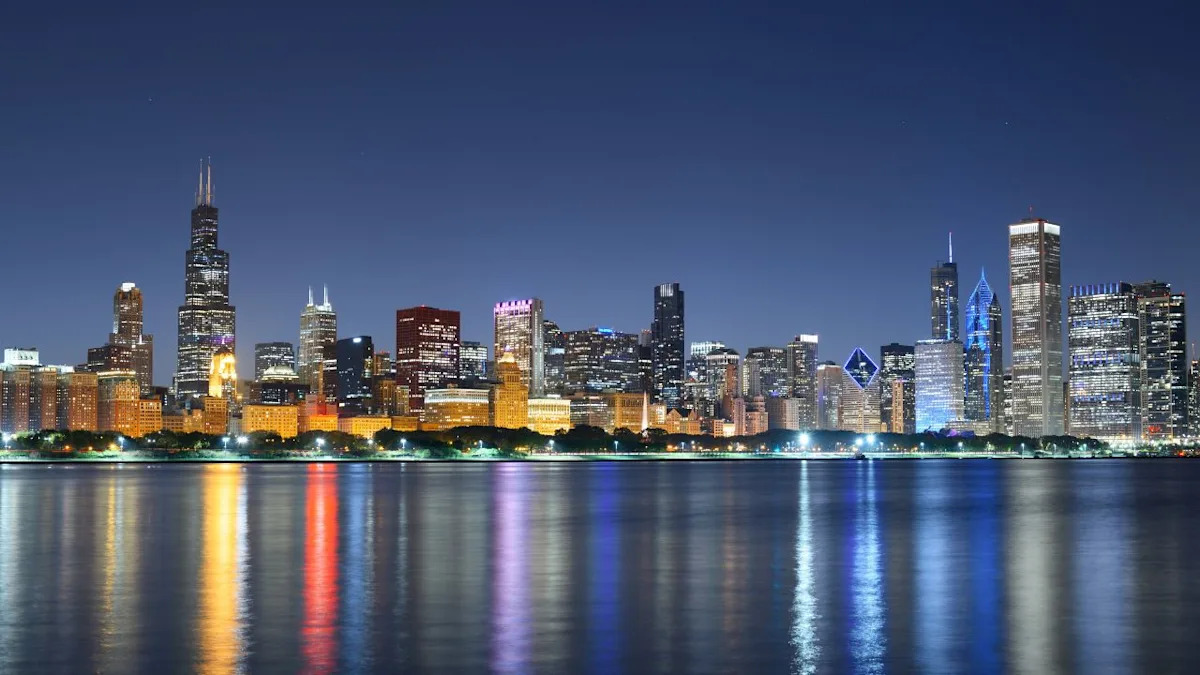
Chicago, Illinois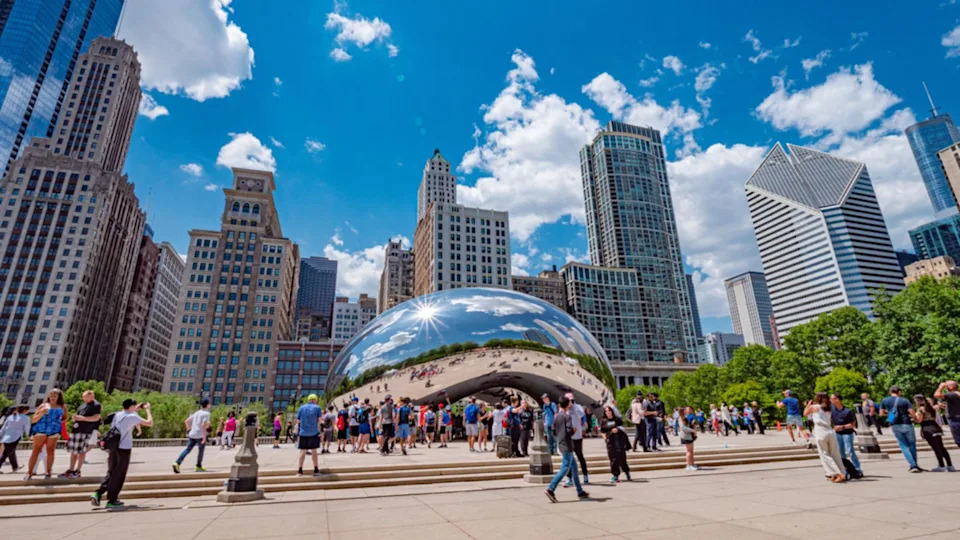
Image Credit: Shutterstock
Chicago delivers the cultural depth of New York City while offering significantly lower costs for housing, dining, and entertainment. The city boasts world-class museums, architecture, and a thriving theater scene that rivals Broadway without Broadway-level prices. Neighborhoods feel distinct and livable, allowing residents and visitors to experience the city without constant congestion. Everyday expenses are more manageable, making long stays or relocation far more realistic.
The city’s lakefront provides miles of public beaches, trails, and green spaces that NYC simply cannot match in scale or accessibility. Summers are filled with festivals, outdoor dining, and live music, creating a vibrant yet relaxed atmosphere. Public transportation is extensive and affordable, reducing the need for expensive commuting. Chicago offers urban energy with room to breathe.
Chicago’s food scene is one of the strongest in the country, delivering global flavors without inflated prices. From Michelin-recognized restaurants to legendary neighborhood spots, quality is consistent and accessible. The city also offers strong job markets in finance, healthcare, tech, and education. Chicago proves that you can have big-city culture without New York-level pressure.
Philadelphia, Pennsylvania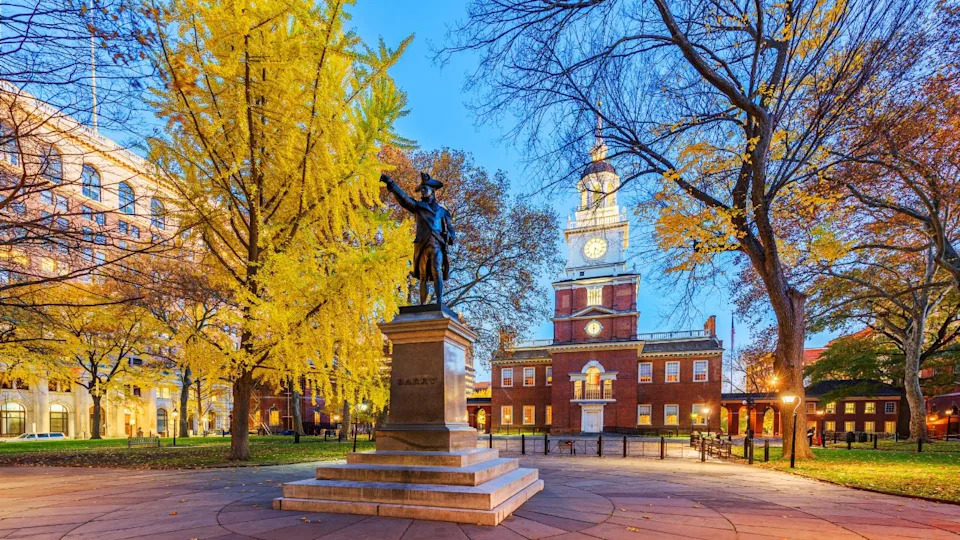
Image Credit;Sean Pavone / Shutterstock.
Philadelphia offers deep history, walkable neighborhoods, and a strong arts scene at a fraction of New York City’s cost. Housing remains dramatically more affordable, even in central areas close to major attractions. The city’s scale allows residents to enjoy urban living without feeling overwhelmed by crowds. Everyday life feels more grounded and accessible.
Cultural institutions, including museums, music venues, and historic landmarks, are integrated into daily city life rather than isolated attractions. Neighborhoods like Fishtown and Rittenhouse Square combine creativity with community. Public transportation is reliable and far less expensive than NYC’s system. Philadelphia balances culture with comfort.
The food scene continues to grow rapidly, driven by local chefs and small businesses rather than corporate dining. Job opportunities in healthcare, education, and technology remain strong and expanding. Proximity to New York and Washington adds flexibility without forcing daily chaos. Philadelphia delivers authenticity without excess.
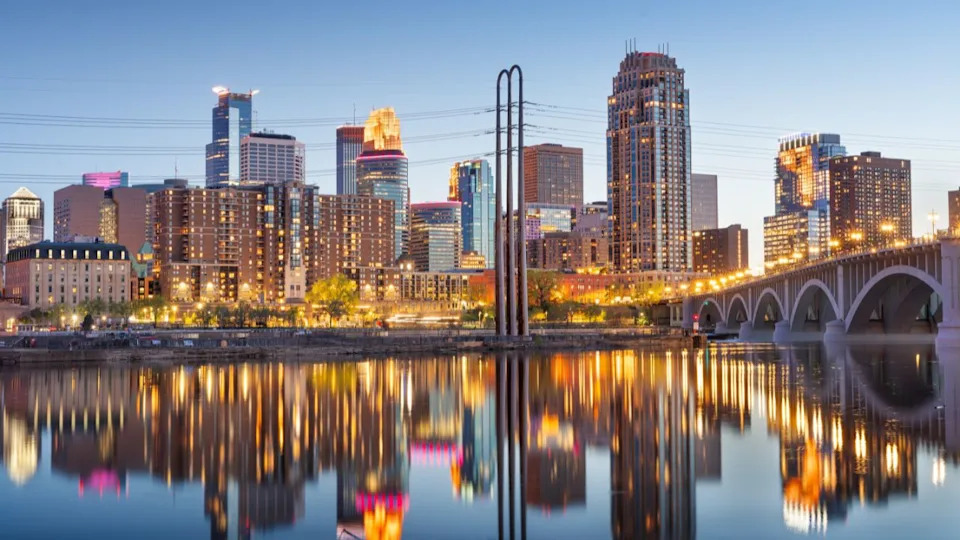
Image Credit : Shutterstock.
Minneapolis consistently ranks among the highest U.S. cities for quality of life, affordability, and access to nature. The city offers a thriving arts scene, strong job market, and reasonable cost of living compared to New York. Neighborhoods feel intentional and community-driven rather than overcrowded. Life moves at a sustainable pace.
Outdoor access defines Minneapolis, with lakes, parks, and bike paths woven throughout the city. Residents enjoy four distinct seasons, each offering its own cultural and recreational opportunities. Public spaces are clean, well-maintained, and widely used. The city encourages balance between work and personal life.
Minneapolis also supports innovation, particularly in healthcare, design, and technology. The food and craft beer scenes punch far above their weight nationally. Housing remains accessible for both renters and buyers. Minneapolis proves that ambition does not require constant stress.
Denver, Colorado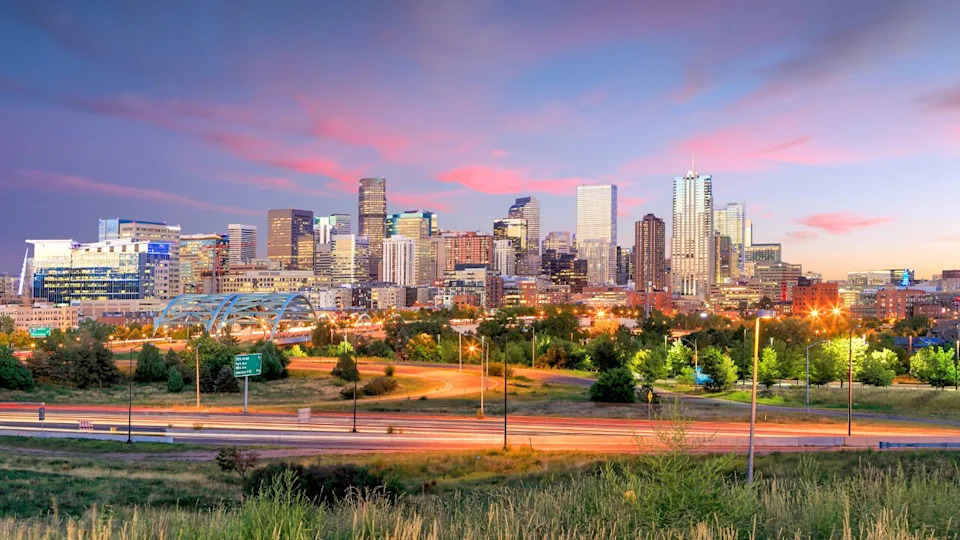
Image Credit:Shutterstock.
Denver offers a strong economy, youthful energy, and direct access to nature that New York simply cannot provide. Housing costs are high compared to smaller cities but still more reasonable than NYC. The city attracts professionals seeking opportunity without sacrificing lifestyle. Its growth has been rapid yet intentional.
The nearby Rocky Mountains provide year-round recreation, from hiking and skiing to weekend escapes. Denver’s climate offers more sunshine than most major U.S. cities. Neighborhoods feel open, modern, and community-focused. Life extends beyond office walls.
Denver’s job market thrives in tech, energy, healthcare, and startups. Dining and entertainment remain affordable relative to quality. The city encourages wellness, flexibility, and outdoor living. Denver delivers success with space and sunlight.
Austin, Texas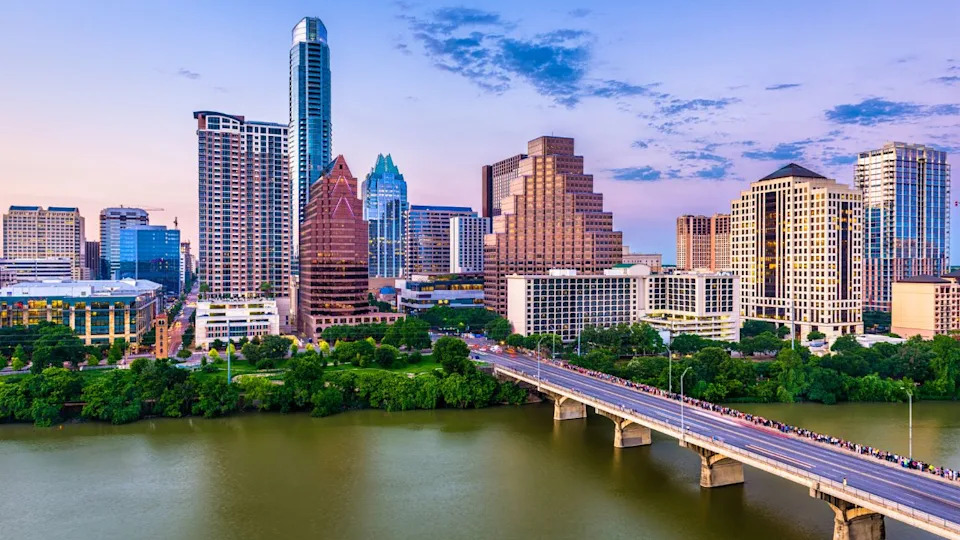
Image Credit: Shutterstock.
Austin combines creative energy, economic opportunity, and cultural identity without New York’s overwhelming density. The city has grown rapidly but still maintains a strong sense of individuality. Housing costs have increased, yet daily expenses remain lower than NYC. Life feels energetic rather than exhausting.
Live music, festivals, and a strong local arts scene define Austin’s personality. Outdoor activities revolve around rivers, trails, and warm-weather recreation. The city supports innovation while maintaining a casual lifestyle. Community remains central despite rapid expansion.
Austin’s job market thrives in technology, media, and entrepreneurship. Food culture blends global influences with local traditions. The city attracts people who want ambition without burnout. Austin proves that creativity thrives outside New York.
Cincinnati, Ohio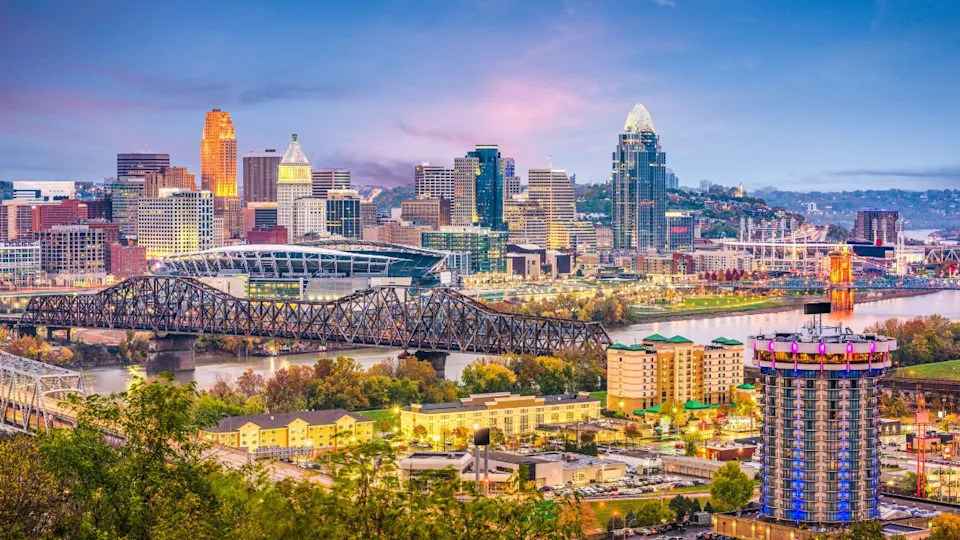
Image Credit:Shutterstock.
Cincinnati offers a rich blend of historic architecture, vibrant neighborhoods, and a cultural scene that feels far more sophisticated than its reputation suggests. The city’s riverfront location along the Ohio River creates scenic views, walkable districts, and a relaxed urban atmosphere without the pressure of a major coastal city. Housing costs, dining, and entertainment remain significantly lower than in New York, making it easy to enjoy a high quality of life without constant financial stress. Despite its affordability, Cincinnati delivers museums, sports culture, and culinary depth that rival much larger cities.
Neighborhoods like Over-the-Rhine showcase beautifully restored buildings, independent shops, and a growing food and brewery scene that feels authentic rather than trend-driven. Public spaces, parks, and historic districts encourage slow exploration instead of rushed sightseeing, giving visitors and residents time to actually enjoy the city. The arts scene is strong, with orchestras, galleries, and local theaters contributing to a sense of cultural confidence. Cincinnati proves that you do not need a massive skyline or global branding to feel inspired and engaged.
What truly sets Cincinnati apart is its balance between livability and character, offering big-city amenities without big-city exhaustion. Commutes are manageable, crowds are minimal, and locals tend to be welcoming rather than hurried or transactional. The city rewards curiosity, whether through its food traditions, riverfront trails, or layered history. Cincinnati stands as a compelling reminder that skipping NYC does not mean sacrificing culture, energy, or a sense of place.
Kansas City, Missouri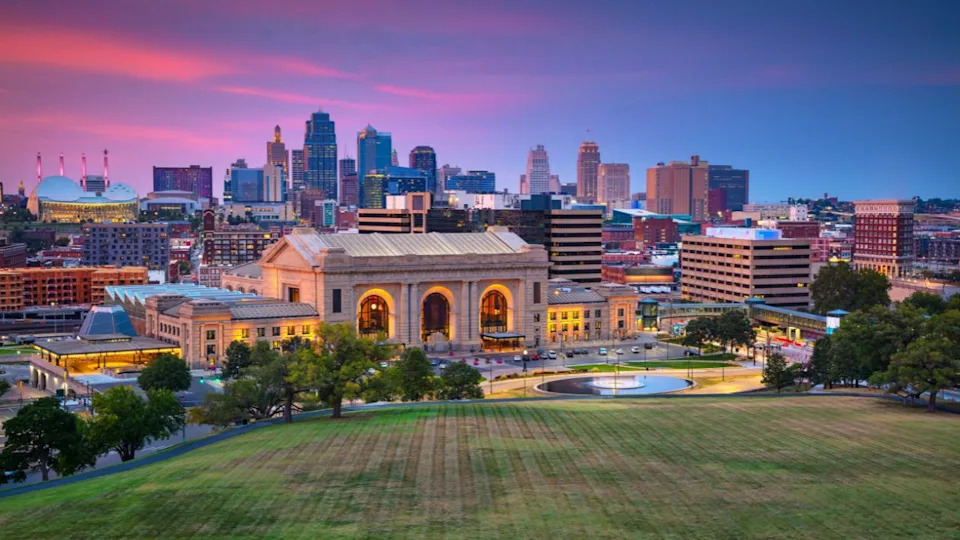
Image Credit: Shutterstock.
Kansas City combines affordability, strong cultural identity, and a growing creative scene that continues to attract new residents. The cost of living is dramatically lower than New York, especially when it comes to housing and everyday expenses. Historic neighborhoods, wide boulevards, and a slower pace of life make the city comfortable and welcoming. The city’s jazz heritage and barbecue culture give it a unique and deeply rooted character.
Arts districts, live music venues, and sports culture provide constant entertainment without NYC-level crowds. Restaurants and bars remain accessible and affordable, even in popular areas. Commutes are short, reducing daily stress and freeing up personal time. Kansas City offers big-city amenities with small-city ease.
Asheville, North Carolina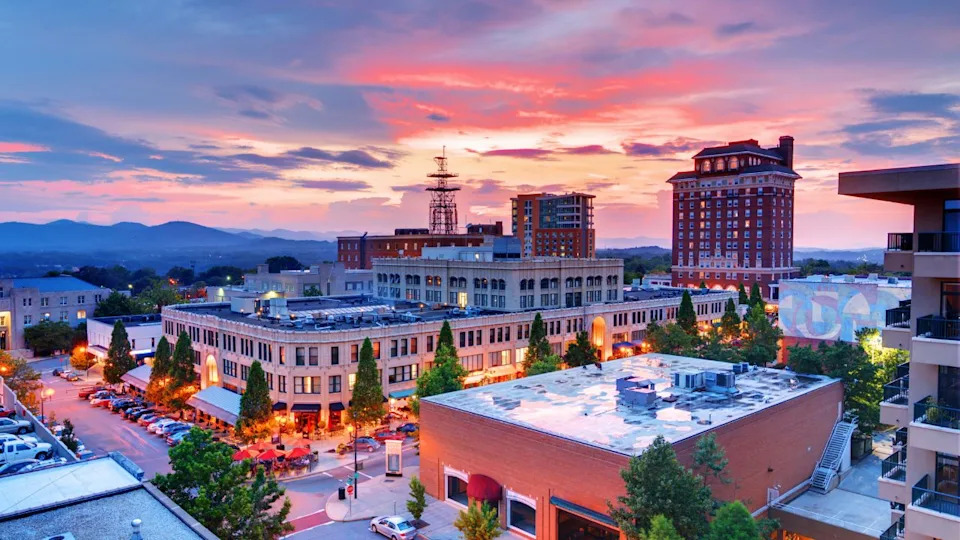
Image Credit: Shutterstock.
Asheville delivers stunning mountain scenery, a creative spirit, and a relaxed lifestyle that contrasts sharply with New York’s intensity. Housing remains more affordable, particularly compared to major coastal cities. The city is known for its arts community, independent businesses, and strong focus on local culture. Nature is never far away, with hiking trails and scenic drives surrounding the city.
Downtown Asheville offers excellent dining, live music, and craft breweries without overwhelming crowds. The community values sustainability, wellness, and creativity, shaping a slower and more intentional way of living. Traffic is manageable, and daily routines feel less pressured. Asheville proves that beauty and culture thrive outside major metros.
Des Moines, Iowa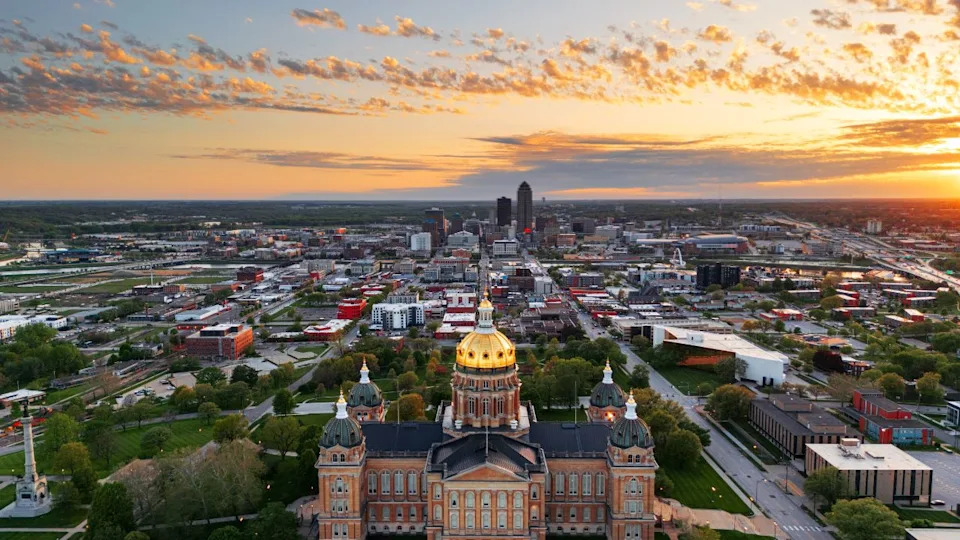
Image Credit: Shutterstock.
Des Moines offers surprising sophistication paired with an extremely affordable cost of living. Housing prices allow residents to own spacious homes while maintaining financial flexibility. The city has invested heavily in revitalization, creating walkable districts and modern infrastructure. Life feels stable, accessible, and refreshingly uncomplicated.
The arts scene includes theaters, galleries, and festivals that remain approachable and community-driven. Dining options are diverse and affordable, supporting local businesses rather than global chains. Commutes are short, leaving more time for family and personal interests. Des Moines shows that comfort and opportunity do not require constant hustle.
Boise, Idaho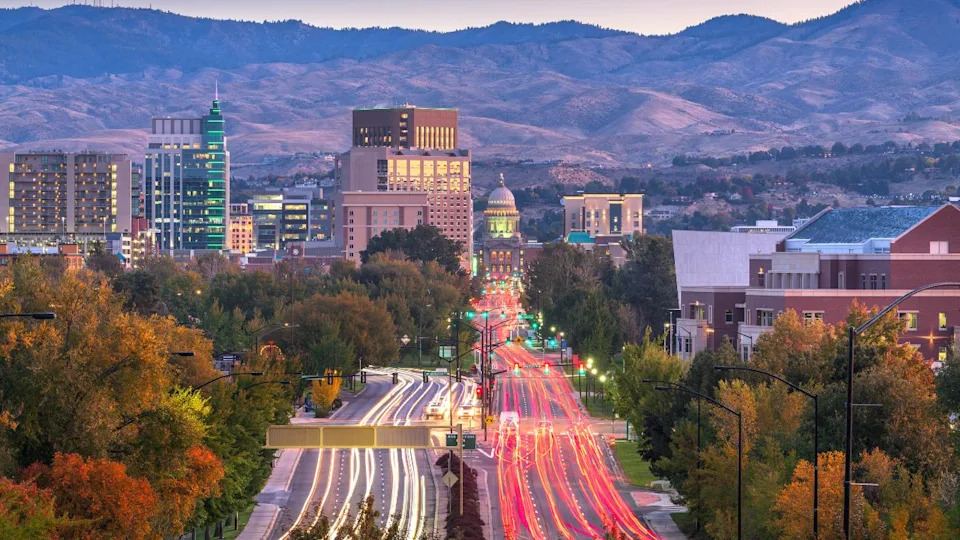
Image Credit: Shutterstock.
Boise combines outdoor adventure, economic growth, and a welcoming atmosphere that feels worlds apart from New York City. Housing costs, while rising, remain far more reasonable than major coastal markets. The city offers clean air, access to nature, and a strong sense of local pride. Life in Boise feels balanced and grounded.
Residents enjoy hiking, biking, and river access within minutes of downtown. The city’s food scene continues to grow, offering quality without inflated prices. Traffic is minimal, and daily life remains calm and efficient. Boise delivers quality of life without urban exhaustion.
Pittsburgh, Pennsylvania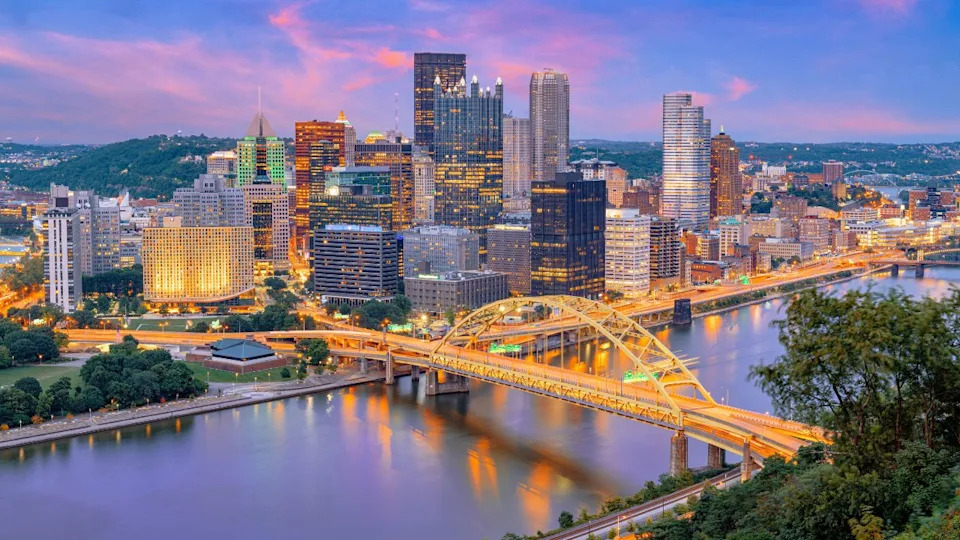
Image Credit: Shutterstock.
Pittsburgh offers historic charm, cultural depth, and affordability that New York no longer provides. Former industrial areas have transformed into vibrant neighborhoods with character and community spirit. Housing remains accessible, even near the city center. The city’s compact layout makes navigation simple and efficient.
Universities, hospitals, and tech companies fuel innovation and stability. Museums, theaters, and sports culture provide constant entertainment without excessive crowds. The cost of living allows residents to enjoy life rather than simply afford it. Pittsburgh proves reinvention can be both affordable and inspiring.
San Antonio, Texas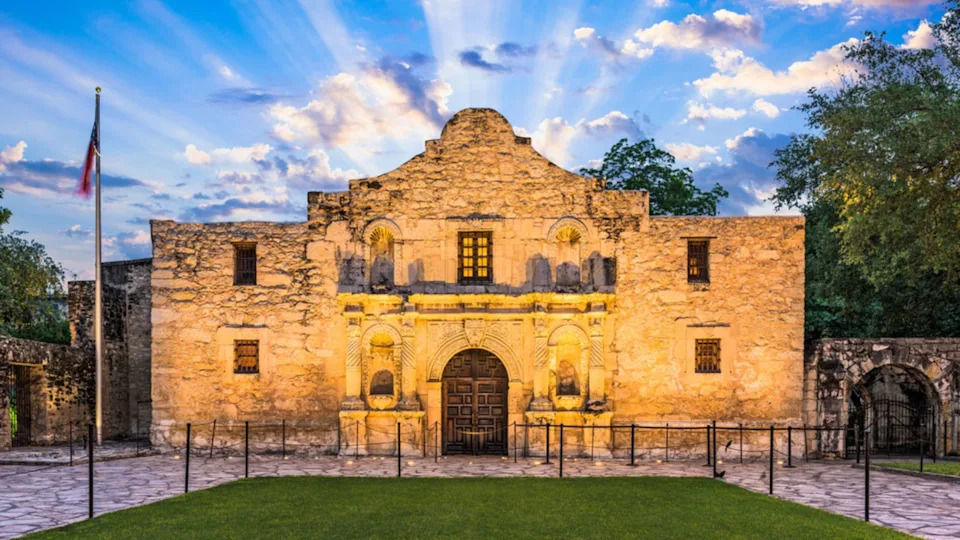
Image Credit: Shutterstock
San Antonio blends history, culture, and affordability in a way few large U.S. cities can match. Housing costs are dramatically lower than New York, even near the city’s core. The city’s pace is relaxed, emphasizing community and tradition over competition. Warm weather and cultural festivals shape daily life.
The River Walk, historic missions, and local markets provide charm without tourist overload. Food is affordable, diverse, and deeply rooted in regional culture. Traffic is manageable, and neighborhoods feel livable rather than congested. San Antonio offers richness without pressure.
Spokane, Washington
Image Credit:Shutterstock.
Spokane offers scenic beauty, affordability, and access to nature while maintaining urban conveniences. Housing remains attainable compared to coastal cities, even as interest in the region grows. The city balances historic architecture with modern development. Life feels calm, spacious, and intentional.
Parks, rivers, and nearby mountains shape everyday recreation. The arts and food scenes continue to expand without becoming exclusive or overpriced. Commutes are short, and the city feels navigable and human-scaled. Spokane delivers quality living without NYC-level demands.