
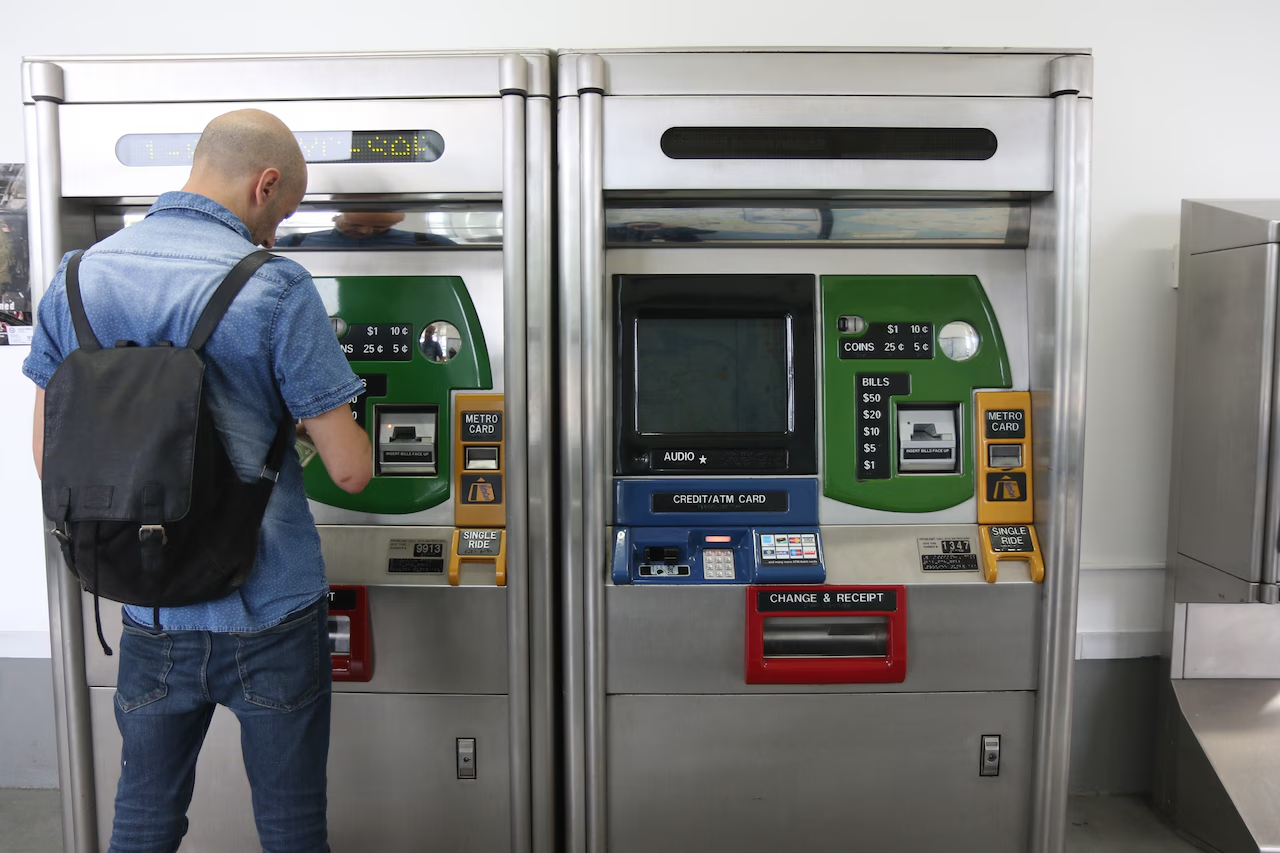
STATEN ISLAND, N.Y. — With the Metropolitan Transportation Authority transitioning to the OMNY tap-and-ride system, all MetroCard vending machines have been removed from Staten Island.
The MTA will soon retire the MetroCard after three decades, and riders will not be able to buy or refill one after Dec. 31.
As that deadline nears, the MTA recently confirmed that all MetroCard vending machines on Staten Island have been removed.
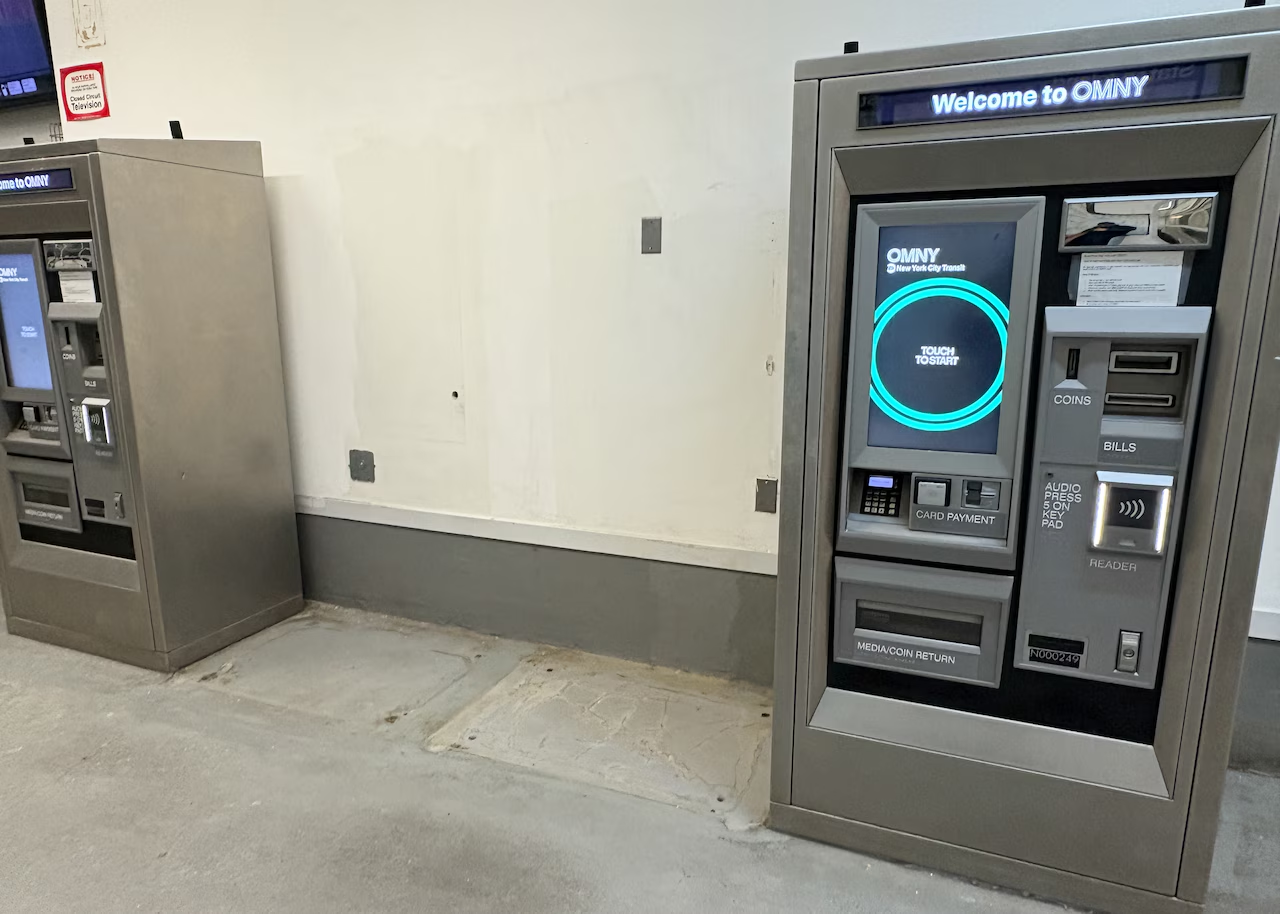 This photo shows the space where MetroCard vending machines were removed from the Eltingville Transit Center. Tuesday, Dec. 16, 2025.(Advance/SILive.com | Mike Matteo)
When asked if any additional OMNY vending machines would be added, a spokesperson for the agency said all planned vending machines had already been rolled out.
The representative also said that customers can purchase OMNY cards from a network of retail locations, adding that most riders use a bank card or mobile device to pay, as the tap-and-ride system does not require an OMNY card.
While commuters will not be able to buy or refill MetroCards, they will still be accepted. However, the transportation agency will begin phasing them out.
Commuters are advised to either spend down the value on their MetroCards or transfer remaining money to an OMNY card.
Leftover balances will be eligible for transfer or reimbursement two years from the expiration date on the MetroCard, the MTA has previously said.
To help with the transition, the MTA has announced several places where Staten Islanders can refill OMNY cards, apply to the reduced fare program, or transfer their remaining MetroCard balances.
Commuters can also use the MTA’s customer service centers, including the one located at the Staten Island Railway’s St. George station, to transfer card balances.
Later in 2026, the MTA will stop accepting MetroCards as fare payment, though the agency hasn’t provided an exact date.
When that time comes, buses will also no longer accept coins as a form of fare payment.
The MTA is also ending the prepaid seven- and 30-day unlimited passes, along with the Express Bus Plus option.
Instead, a seven-day fare cap will be offered for OMNY.
Under the fare cap, commuters who pay for 12 rides within any seven-day period can ride free for the remainder of that period.
Fare capping will also be expanded to express bus users, with free rides coming after they spend $67 in a seven-day period.
The MTA first announced it would officially transition away from MetroCards in March.
With the transition to OMNY, the MTA said it expects to save at least $20 million annually in costs related to MetroCard production and distribution, vending machine repairs, cash collection and handling.
Next year will also bring an increase to MTA fares and tolls.
Beginning Jan. 4, the fare for trains and local buses will increase from $2.90 to $3. On express buses, the current $7 base fare will become $7.25 per trip.
Tolls on bridges and tunnels managed by the MTA will also increase with the proposed hike. On crossings like the Verrazzano-Narrows Bridge, Hugh L. Carey Tunnel, and RFK Bridge, one-way E-ZPass tolls will increase from $6.94 to $7.46.
The MTA said that these increases are necessary to keep pace with inflation and revenue goals for the transit agency.
The transportation agency also said that resident discount programs, like the Staten Island Resident Program, would still apply with these new tolls.