
Support CleanTechnica’s work through a Substack subscription or on Stripe.
It took years, but New York City (NYC) finally implemented congestion pricing on January 5, 2025. (That’s 22 years after London first implemented it.) Aimed at cutting pollution in the city, would it work? Yes, it would!
Paul Day of Air Quality News shares that a Cornell University study has found that air pollution was cut 22% in Manhattan’s new congestion pricing zone in the first 6 months of the year.
The data came from 42 air quality monitors measuring PM2.5 concentrations.
Congestion pricing has been known to work since I was in graduate school for city and regional planning, but it’s still exciting and a bit surprising to see how effective NYC’s new Congestion Relief Zone (CRZ) is.
“Within the CRZ, which covers Manhattan streets at or below 60th Street, average daily peak concentrations of PM2.5 dropped by 3.05 µg/m³. For context, background pollution levels in the region typically hover around 8-9 µg/m³, making this reduction particularly significant for public health,” Paul Day shares.
“Notably, the benefits were found to extend far beyond the toll zone itself. Across New York City’s five boroughs, pollution levels fell by an average of 1.07 µg/m³, while the broader metropolitan area saw reductions of 0.70 µg/m³. This refutes claims that congestion pricing merely pushes traffic and its associated pollution to neighboring communities.”
Indeed. Great point. It’s always been a claim that people will just drive elsewhere, but that typically makes more sense in theory than in practice.
More good news: humans are capable of learning, and as they learned to avoid the CRZ, pollution dropped more over time. “The improvements grew stronger over time, suggesting drivers are increasingly adapting their behavior. In the CRZ’s first week, pollution reductions within the toll zone averaged just 0.8 µg/m³. By the 20th week, that figure had grown to 4.9 µg/m³, suggesting commuters were switching to public transit, rescheduling trips or finding alternative routes.” That’s a huge improvement over time, and one would hope that it continued to improve in the second half of the year.
Overall, vehicle traffic dropped 11% in the first half of the year. Heavy-duty truck traffic declined 18%, while passenger vehicle traffic dropped 9%. I assume the former’s bigger drop is due to truckers paying more attention to such things, and also higher fees for them ($21.60 per peak-hour entry compared to $9 for passenger cars). The good news is that large trucks cause a lot more pollution, so it’s good that they cut their trips into the zone more.
I mentioned earlier that London’s congestion pricing has been in place for many years and already proved to cut pollution. Paul Day highlights this as well, but shows that NYC’s CRZ has been even more effective. “The results exceed outcomes from similar programs in European cities. Stockholm’s congestion pricing reduced air pollution by 5–15% over several years, while London’s Ultra Low Emission Zone achieved roughly a 7% citywide decline. The researchers suggest that New York’s comparatively larger impact reflects the city’s exceptional transit infrastructure and the high volume of discretionary trips that drivers can easily shift to subways and buses.” Indeed — despite all the derisive commentary about it, NYC’s subway system is one of the best in the world.
San Francisco and London are considering implementing congestion pricing programs as well. If they do, we’ll see how well they do with much less advanced mass transit systems — but much better weather for bicycling.
One thing I’m curious about: if NYC decided to exclude electric vehicles from the congestion pricing zone, how much would that boost EV sales in the area and lead to even more pollution reduction? It seems to me that should be the next phase of the program.
Congrats to NYC. Best wishes for a cleaner 2026.
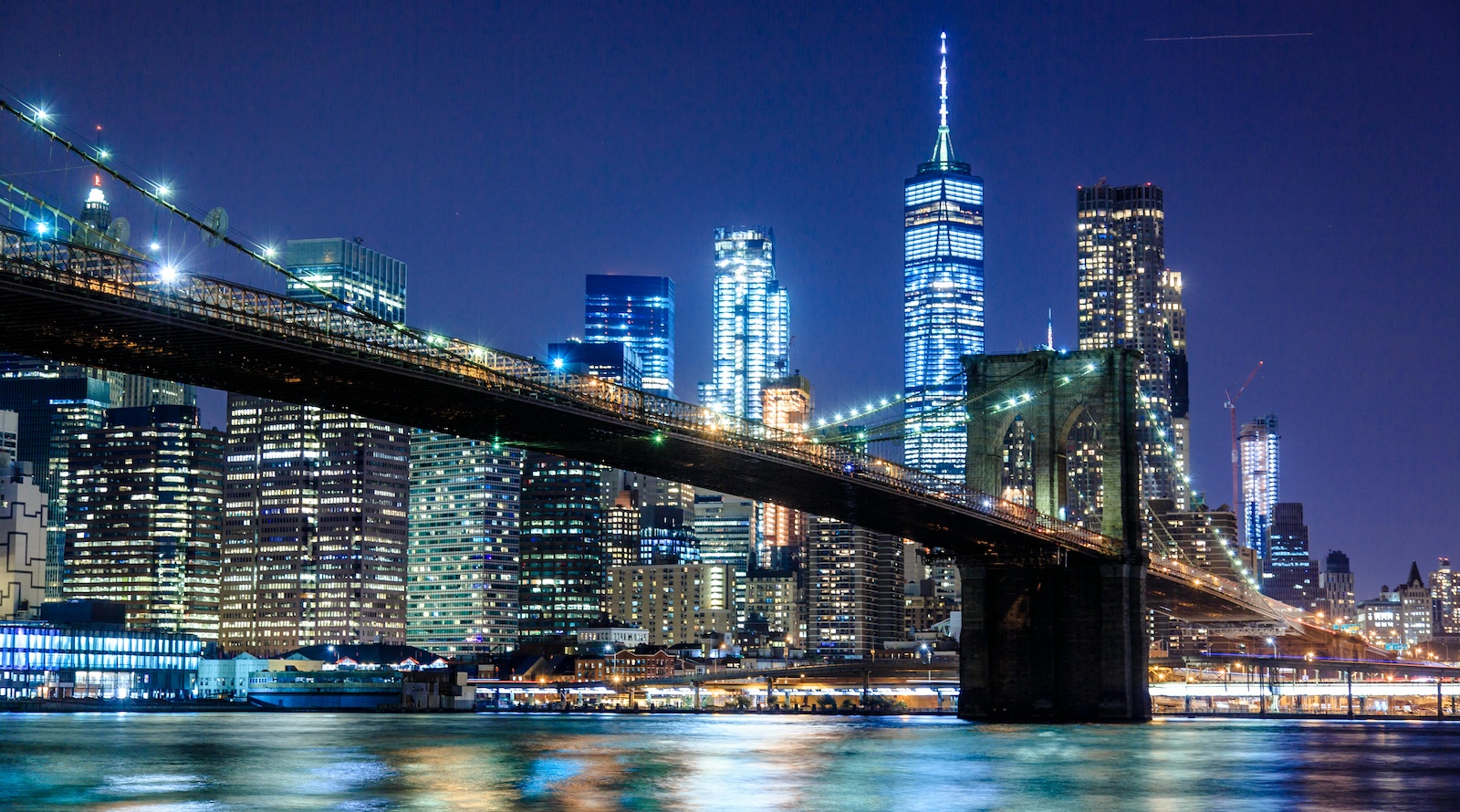
Photo by Michał Ludwiczak via Pexels
Sign up for CleanTechnica’s Weekly Substack for Zach and Scott’s in-depth analyses and high level summaries, sign up for our daily newsletter, and follow us on Google News!
Advertisement
Have a tip for CleanTechnica? Want to advertise? Want to suggest a guest for our CleanTech Talk podcast? Contact us here.
Sign up for our daily newsletter for 15 new cleantech stories a day. Or sign up for our weekly one on top stories of the week if daily is too frequent.
CleanTechnica uses affiliate links. See our policy here.