
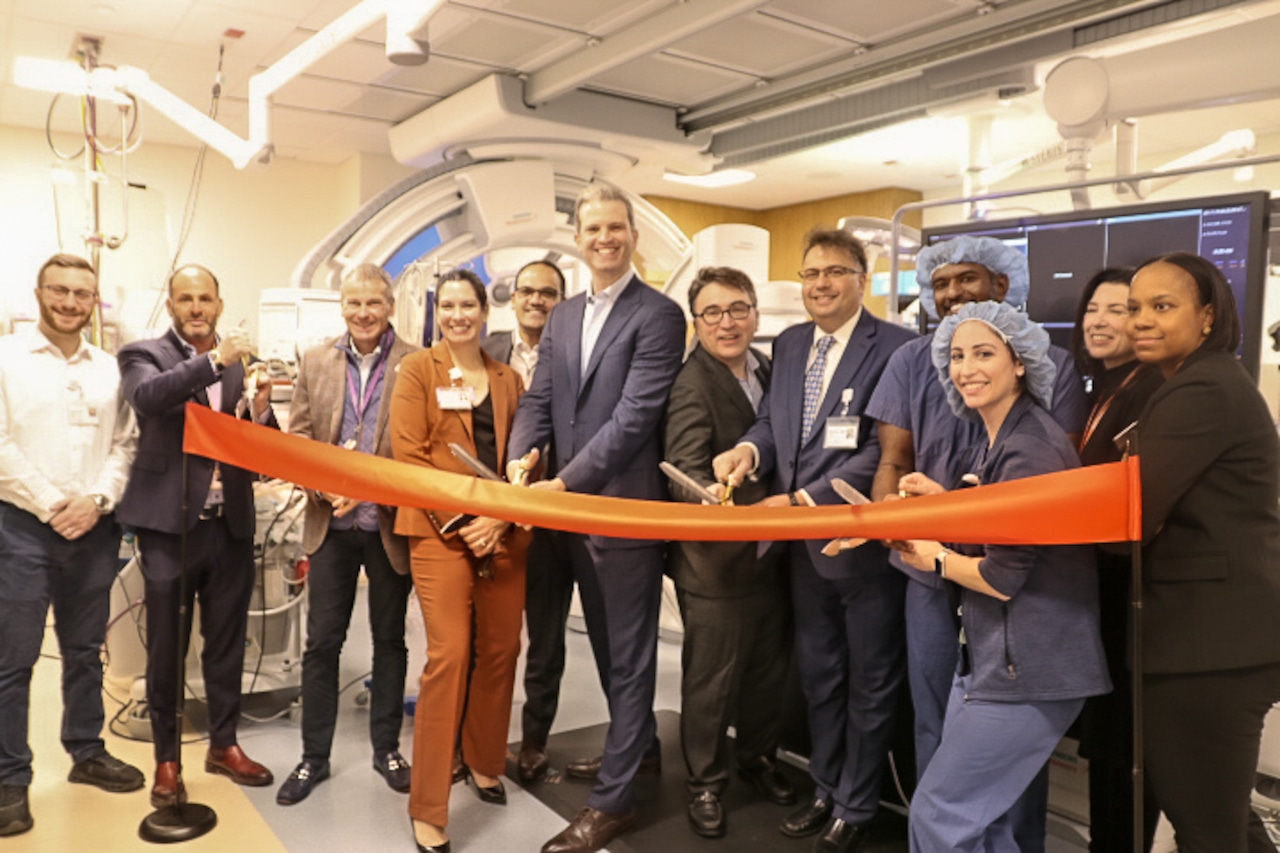
STATEN ISLAND, N.Y. — Staten Island University Hospital recently completed a major renovation of its electrophysiology labs, adding advanced technology to improve treatment for patients with heart rhythm disorders.
The hospital held a ribbon-cutting ceremony to mark the opening of two newly renovated, state-of-the-art labs designed to diagnose and treat conditions including atrial fibrillation, supraventricular tachycardia, and ventricular arrhythmias.
The renovation consolidates electrophysiology services that were previously spread across multiple procedural spaces. The upgraded facilities feature cutting-edge imaging systems are expected to reduce patient wait times and expand access to cardiac interventions.
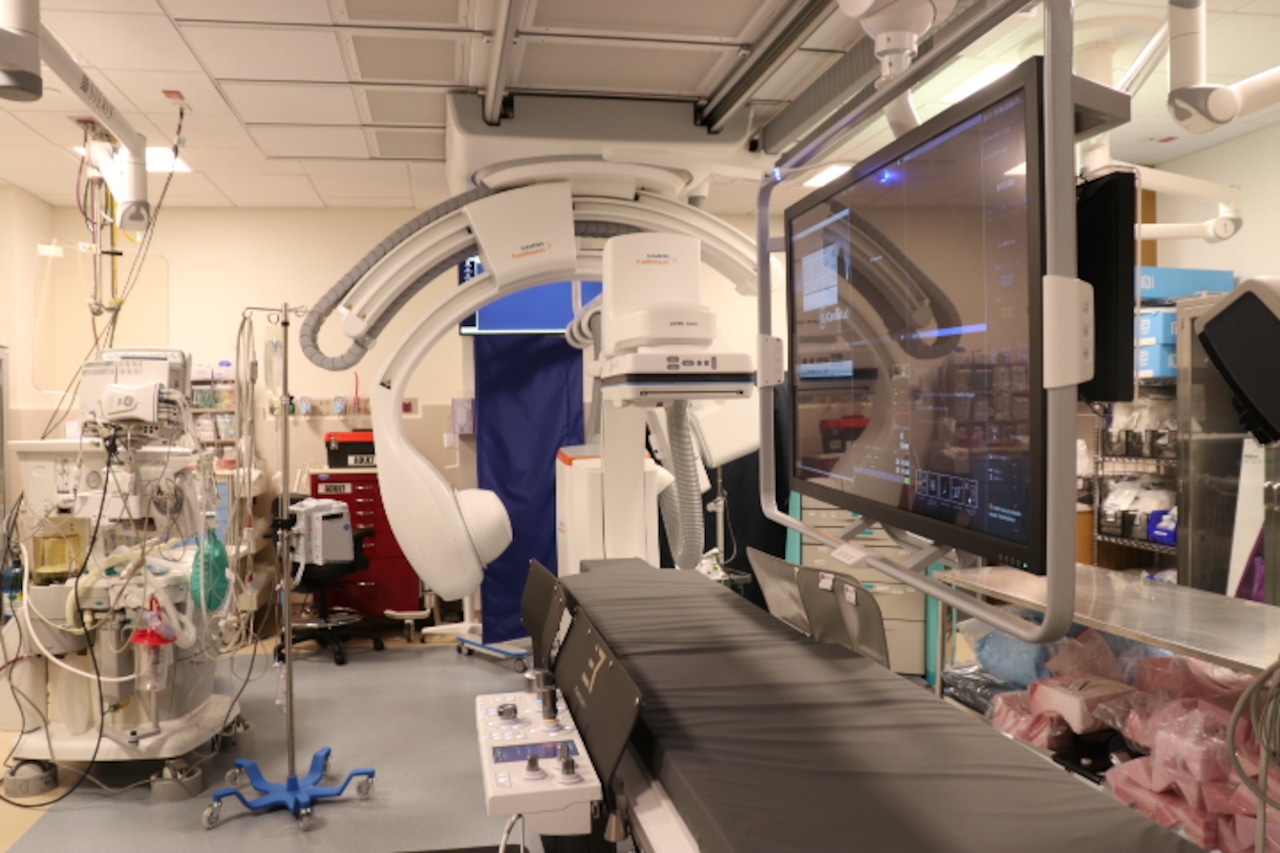 The state-of-the-art upgrades feature cutting-edge imaging and enhanced capabilities to treat complex heart rhythm disorders without patients leaving the Staten Island.Courtesy of Staten Island University Hospital
“These renovations are not just about new equipment,” said Meagan Sills, senior vice president and hospital president of Staten Island University Hospital. “They represent a major step forward in our heartfelt commitment to providing the very best cardiac care to our Staten Island neighbors.”
Mitchell Weinberg, chair of cardiology, called the completion, “the dawn of a new era for electrophysiology” at the hospital.
“Our electrophysiology team has always been exceptional; now, their clinical environment is, too,” Weinberg said. “We haven’t just given them new tools — we’ve unleashed their full potential to redefine what’s possible for our patients.”
The two dedicated labs are part of the hospital’s strategy to keep advanced cardiac services on Staten Island, allowing residents to receive specialized arrhythmia treatment without traveling out of the borough.
Michael Caridi, chair of the Regional Executive Council, said the labs went into immediate use after the ceremony. “These rooms are more than just spaces; they are an investment in our patients and in the future of cardiac care,” Caridi said.