
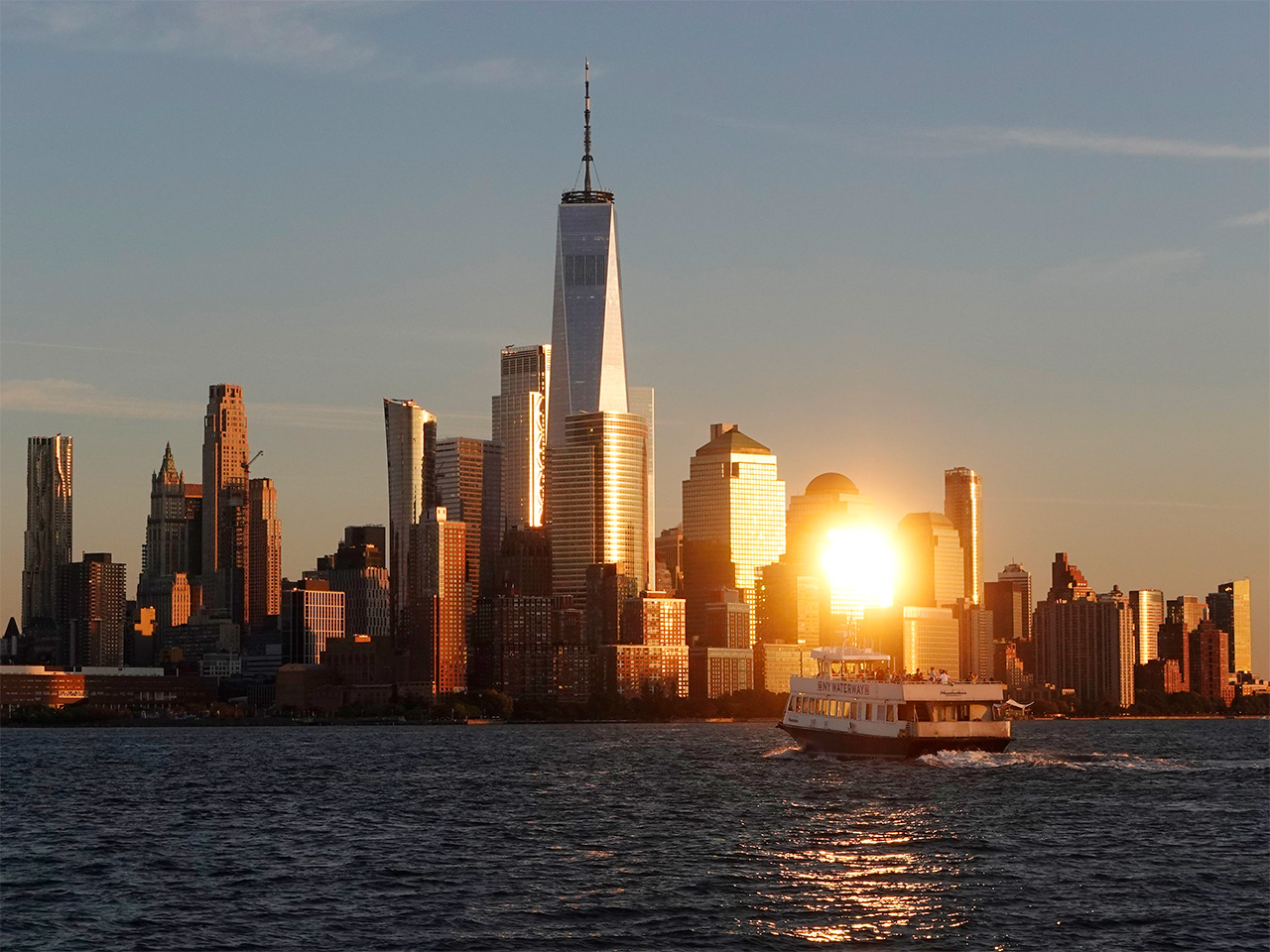
A historic Staten Island to Brooklyn crossing marks the start of new routes, smoother rides and big ambitions.
At 06.05 on bracing December morning, a Metal Shark catamaran departed the St George neighbourhood on the northeastern tip of Staten Island and crossed New York Harbor to Bay Ridge in southern Brooklyn. Aboard was a mixture of transport activists, local politicians and members of the general public. It was the first time that a passenger ferry had completed this particular journey since 1964, when previous boat services were discontinued upon the opening of the Verrazzano-Narrows Bridge. The new route is one of the first measures to be implemented as part of the 2025 NYC Ferry Network Optimisation Plan, a comprehensive revamp of the city’s ferry system that will continue into 2026 and beyond.
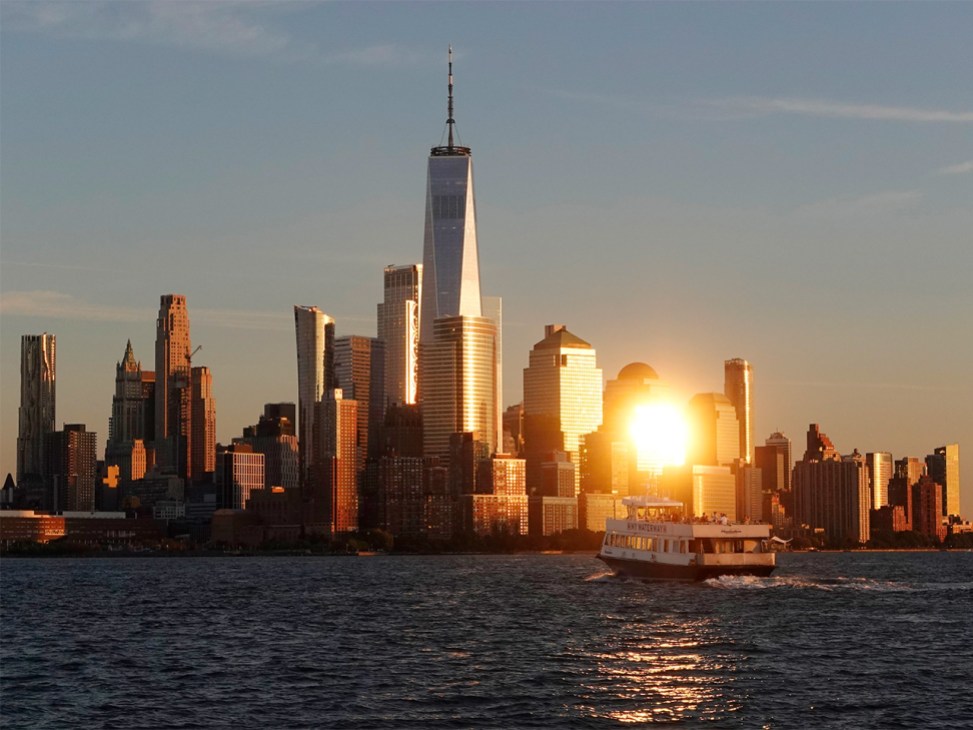 All aboard: It’s hard to beat a bright, clear day on New York Harbor
The waves and wipeouts of NY ferries so far
Few cities are more naturally suited to ferry transport than New York, an archipelago whose densely populated boroughs are connected by highly navigable waterways. The earliest recorded ferry service was run by a man called Cornelius Dircksen, who in the 1640s rowed a passenger boat between Brooklyn and what is now Lower Manhattan. Operating on demand, travellers signalled their desire to cross by blowing a shell horn hanging from Dircksen’s tree.
By the first decade of the 20th century, hundreds of thousands of journeys were made by ferry each day on the East and Hudson rivers. But ferry ridership declined as more bridges and tunnels were built and the number of private motorcars increased. By the 1960s, almost all of NYC’s regular ferry services had been discontinued.
In the early 2000s, waterfront neighbourhoods such as Williamsburg, Greenpoint and Long Island City grew rapidly despite poor subway access, making ferries a promising transit solution once again. The 2011 East River ferry pilot hit its three-year ridership goal in just 14 months, prompting the city to launch the NYC Ferry system citywide in 2017.
The ferry network was an exceptional addition to the city’s public transport system. For the same price as a trip on the dilapidated subway, riders could embark upon high-speed aluminium catamarans with onboard concessions offering premium local snacks and beverages. It was a deal that seemed almost too good to be true, and in a sense it was: the service required a substantial subsidy that turned out to be much higher than initially estimated. In the early years of the service, each ferry ride cost the city about $10.70 (€9.13) to operate; by 2024, this had been reduced to around $8.55 (€7.30) per trip, partly by raising the price of tickets.
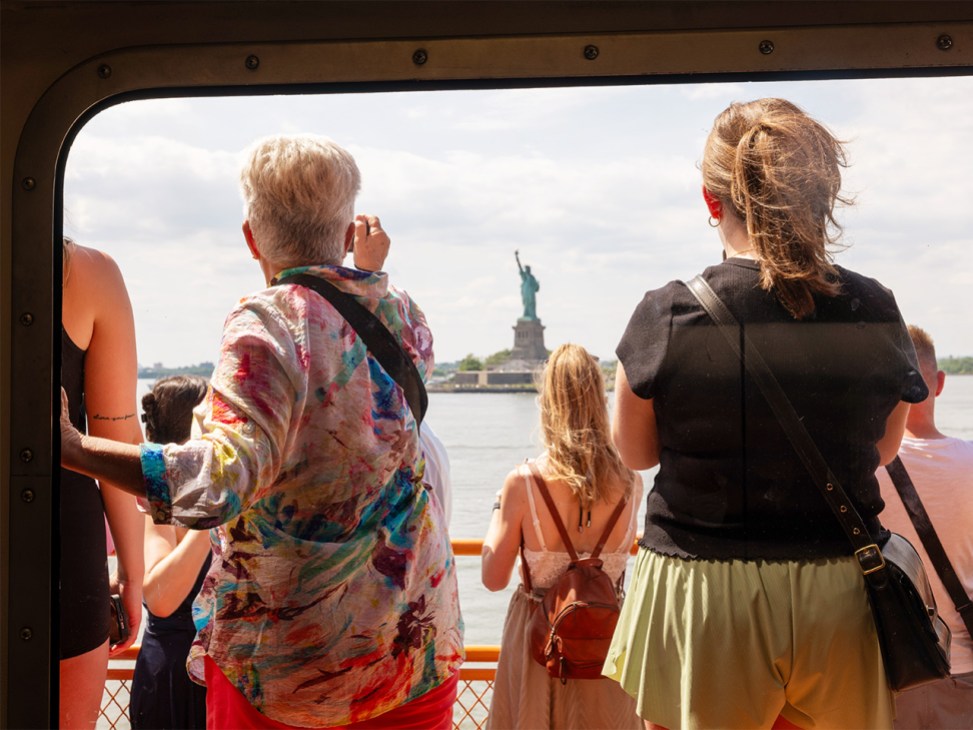 Take the liberty: There are some interesting sights on the subway but the ferry network wins the beauty contest
The planned upgrades
One of the main goals of the Ferry Network Optimisation Plan is to make the service more economical. Some routes will be split, others merged, and extensions added to reduce the number of empty seats on rides and provide more direct connections to areas where jobs are concentrated, such as Midtown Manhattan. A pilot extension of the South Brooklyn service will run on summer weekends in 2026, and will be evaluated later in the year to determine its long-term viability. There will also be physical improvements to existing landings and to fleet maintenance and capacity.
As a mode of public transport, the ferry system presents unique challenges. Inclement weather causes boat rides to be delayed or cancelled far more than buses or subways. Certain routes are subject to wild seasonal swings in ridership, attracting day-trippers in the summer but seeing a steep decline in numbers during the off-season. However, these special challenges are complemented by singular charms. Nothing else on the New York transit system compares to a late-summer churn along the East River on the top deck of a New York ferry.
Fancy another inside line on the changing face of New York? Click here to read about how the city’s scaffolding is getting a glow-up.