
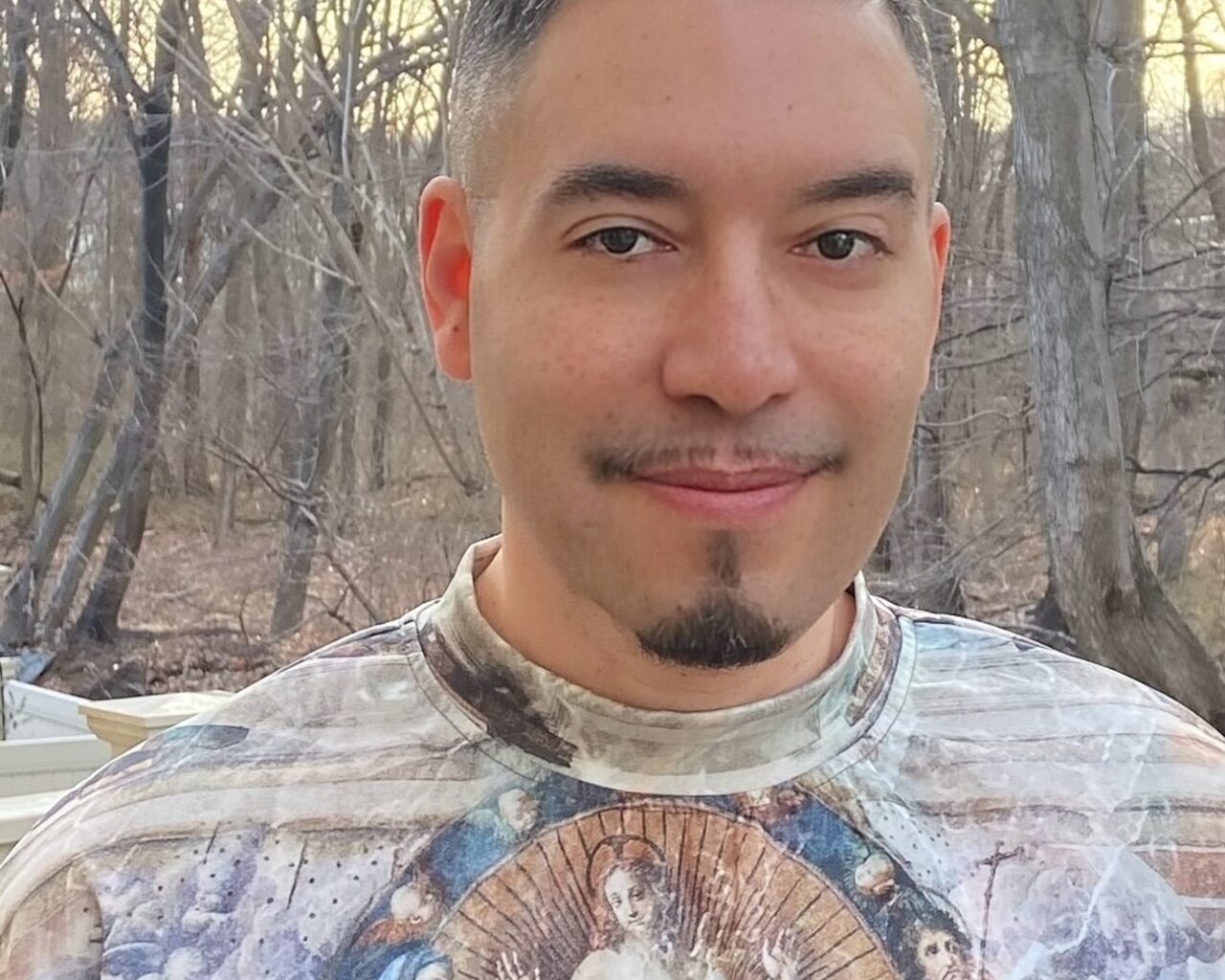
STATEN ISLAND, N.Y. — Staten Island resident Emanuel Xavier is an author and poet whose work is rooted in survival, resilience and the lived experiences that shaped him. Despite hardships faced, he hopes to remind others that their stories deserve to be seen through his upcoming poetry project.
Xavier’s upcoming project, “Still, We Are Sacred,” set to be released April 7, 2026, explores identity, survival and the communities that shaped him.
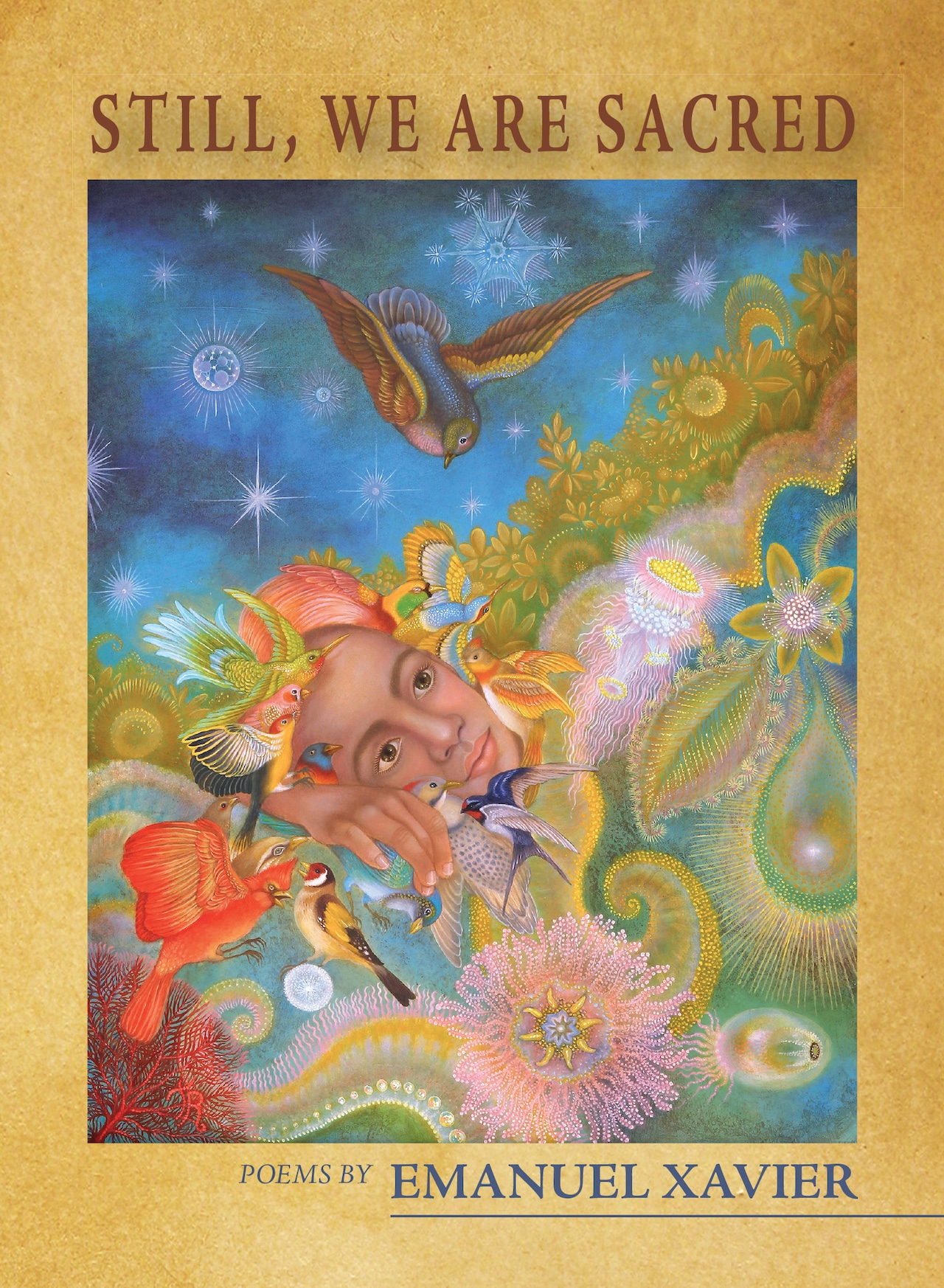 The author, Emanuel Xavier is set to release “Still, We Are Sacred” on April 7, 2026.Courtesy of Emanuel Xavier
Drawing from his experiences growing up in Bushwick as a queer person, he examines what it means to exist, heal and remain visible in a world that often overlooks marginalized voices.
Homeless as a teenager
Xavier grew up in a devout Catholic family. “Being gay was not an option,” he said. After being rejected for being gay, he became homeless as a teenager.
Growing up queer in Bushwick during the 1970s and 1980s was difficult, he said, and he often felt more at home on the West Side Highway piers in Manhattan.
There, he found community, support and a place to call home among other young LGBTQ+ people.
To survive homelessness, Xavier turned to sex work, a reality for many queer and minority youth of color in the 1980s and early 1990s. As a Latino of Ecuadorian descent, he said, “A lot of us couldn’t survive without being sex workers, and that was the truth, being queer and being a minority during the ’80s and early ’90s.”
Around this time, Xavier began working at a bookstore, where he discovered his love for literature. He also started performing spoken-word poetry at a café in the Nuyorican Poets scene where he began to find his voice during a period when LGBTQ+ voices weren’t as openly welcomed.
“I never held back from sharing my truths to an audience because it was bigger than me; it was about sharing my experiences to help others be true to themselves and speak openly about their experiences,” Xavier said.
There, he found a supportive audience and began to develop his style. He became more confident, which helped define his work.
His first collection
In 1997, he self-published his first poetry collection, “Pier Queen,” which captured the voice of a generation of queer people of color. “I came to poetry in a very unconventional means; I was considered a street poet,” Xavier noted.
Despite the obstacles he faced throughout his life and career, Xavier found love. He married his husband, Brian Berger, in 2018.
The ceremony was held at Casa Belvedere on Grymes Hill, and the couple moved to Staten Island shortly afterward, where they have lived since early 2019. They initially lived in the Mid-Island and now reside in the Woodrow area.
Looking back, Xavier said his upbringing shaped his poetry. “It inspired me to write,” he said. He wrote a poem called “Bushwick Bohemia,” about learning to love the place he had come from and appreciate it.
Now, living openly as a gay man on Staten Island, Xavier said, “Early queerness becomes a target, and I refuse to retreat. You know, living openly, walking and existing without apology becomes an act of defiance.” He added that this commitment to visibility and authenticity continues to fuel his work.
His new project
Xavier has been writing since 1997 and spent more time with his new project, “Still, We Are Sacred,” than ever before. “I was very intentional about the craft, revision, line, structure and silence,” he said.
Throughout his career, he was labeled a street poet, and while he honored where he came from, he didn’t want that label to limit how his other work is valued.
“I’ve had many ups and downs throughout my journey, but for me, this book is about showing range and depth — bringing the urgency of lived experience together with literary precision,” he said.
He wants the poems to hold up not only on the page, but also in classrooms and quiet rooms.
Xavier described the collection as “claiming the space of the poet whose voice is shaped by survival, not defined by it,” which he says also inspired the book’s title.
What he wants readers to take away from the book is the importance of staying present and not retreating, Xavier said. Having survived homelessness, child abuse, and other hardships, he feels fortunate to have lived longer than many of his peers.
Staten Island’s poetry community
Xavier said he is most inspired by what is often overlooked: Staten Island’s poetry community and its connections to the rest of New York City.
He discovered a dynamic scene in the borough, shaped by social and political contradictions that influenced his work.
“What people forget [are] people like Audre Lorde, who lived and wrote on Staten Island for years. She produced…Black, feminist, and queer work while raising a family. That fact alone challenges the idea that Staten Island sits outside of New York’s intellectual and artistic lineage,” he said.
Xavier said his biggest challenge when writing “Still, We Are Sacred” was finding time to slow down and reflect during the creative process. However, living on Staten Island has given him the space to be intentional in his writing.
While the borough can feel physically removed from the rest of New York City, he never felt creatively disconnected. “If anything, being on the edge keeps me alert to what gets left out,” he said, a perspective he believes shows up throughout the collection.
Xavier hopes his poetry inspires younger queer and Brown readers by showing that visibility isn’t just personal, it’s generational.
He wants his work, including his new project, to demonstrate that living authentically and creatively can leave a lasting impact on future generations, even for those he may never meet.
Although Xavier is not performing as widely as he once did, he hopes “Still, We Are Sacred” allows readers to connect with his work across the world. He began writing in part to ensure that stories like his, once considered underground and overlooked, would not be forgotten.
“Still, We Are Sacred,” is being published by Rebel Satori Press and will be available on all major platforms, including Amazon, Barnes & Noble, and Goodreads.
The book’s pre-sale is available on Rebel Satori Press’s website.