
Syracuse University accounts for around $1.8 billion in economic impact each year in Central New York, according to a new report commissioned by SU.
SU commissioned Lightcast, a global consulting firm, to examine the university’s impact from the 2023-2024 academic year and prior years. The 99-page report was released Jan. 5.
The report analyzes how the cost of operating a large research university ripples through the region, including student spending, construction expenses and the visitors that SU brings to Syracuse, among other factors.
SU shared the report with syracuse.com and The Post-Standard ahead of its release. Vice Chancellor Mike Haynie told editors and reporters that he hoped to remind the community of the benefits the university brings with it.
SU is an outsized player in the city. It’s one of the area’s biggest attractions, thanks to popular sports programs and international reach. It’s also the area’s most powerful institution, commanding economic and political muscle.
The report estimates that SU supports more than 14,000 jobs, including 5,100 full-time staff, 2,400 part-time employees and 6,500 student workers. This translates to more than $567 million spent on payroll and benefits every year.
“All of that stays right here in Central New York. That’s how people pay their mortgages. It’s how they buy their groceries,” Haynie said.
The combination of payroll and the nearly $90 million spent on operations and maintenance, which can include buying goods from New York companies, puts almost $850 million into the state economy.
At the December meeting, Haynie said he wants to dispel the myth that SU does not pay taxes. As a non-profit, it does not have to pay property taxes on its buildings being used for educational purposes. However, SU still has several properties that are not exempt from city taxes.
“Last year we made a total of $9 million in payments to the city. So you know, about $2.3 million of that was from our services agreement. But then we also paid $2.5 million or so in property taxes,” Haynie said.
Former Mayor Stephanie Miner created an agreement with SU where the institution gives an annual lump sum in lieu of taxes. It expanded under Ben Walsh and Haynie expects the next chancellor to renew the contract.
“I’m speculating, but I can’t see us taking a step backwards,” Haynie said when speaking about a potential renewal.
Another significant labor impact from SU is from construction. In the 2023-2024 school year, the university spent $156 million on construction projects. The overall economic impact supported 595 jobs, according to the report.
SU students and employees are not the only groups providing direct impacts. Potential students, families and sports fans traveling to Syracuse bring a financial boost.
The average visitor spends $463 when they come to town, spread across lodging, entertainment and food. This does not include money spent on things like SU sports game tickets and textbooks.
Lightcast estimated that 167,000 people visited Syracuse for events at SU in the 2023-2024 school year. This brought the economic impact to more than $57 million.
As an R1 research institution, SU spent $176 million on research in 2023-2024, with the majority of expenses going to payroll. More than a quarter of funding came from federal sources. Research projects led to 115 invention disclosures, 67 patent filings and four licenses executed between fall 2020 and spring 2024.
Despite the research success, Haynie said he wants to expand the research programs.
“We have to grow our research enterprise. We are a Carnegie R1 research institution, but not of the scale and scope,” Haynie said. “Much of that designation is a function of great success we have had working with industries.”
Startup companies, defined as companies created to license or commercialize technology or information about SU, generated more than $781 million of income. The eight organizations employed over 2,400 people.
As for the student spending impact, Lightcast looked at the 12,500 students from out-of-state and an estimated 1,000 students originally from New York who would have left if they did not attend SU.
Each student spent an average of $20,000 on off-campus expenses, including room and board, personal expenses and transportation. This equated to more than $181 million put into the New York state economy during the 2023-2024 school year.
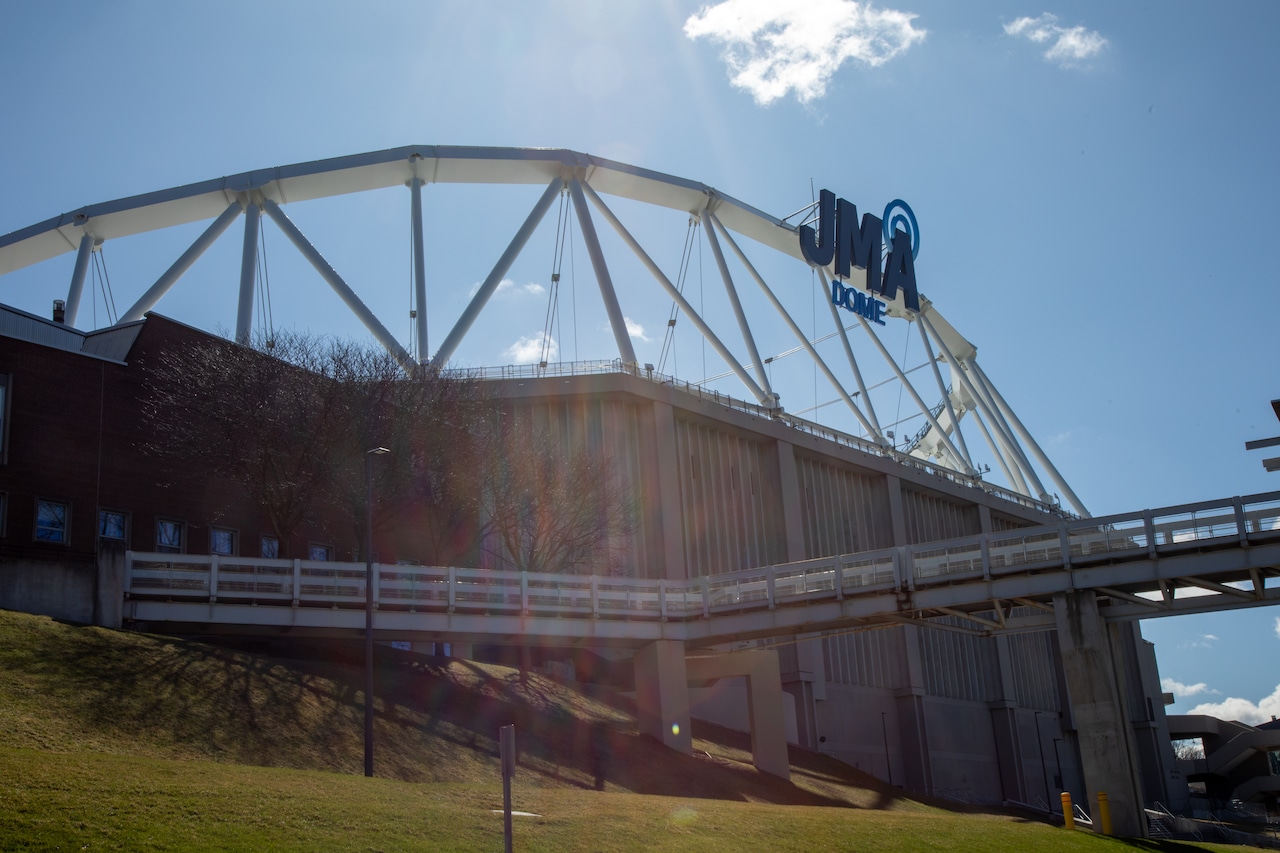
These factors also impact each other. For example, earlier this decade SU spent $44.7 million to upgrade the JMA Wireless Dome with a new roof and seats. Haynie said this improvement has brought more people into town.
“Both the new roof and then the reseating have had a significant (impact). We’re back in the major concert rotation,” Haynie said. “The (return on investment) on that investment has been pretty significant.”
When New York state invests in SU and its students, it saves money long term, according to the report. The report states that an SU education results in graduates needing less government assistance, such as healthcare, and contributes to reduced crime rates.