
The drama that began with Operation Absolute Resolve on January 3 reached Manhattan federal court on Monday, where Venezuela’s captured President Nicolás Maduro declared “I am innocent” and insisted he remained president of his country.
By Paul Morgan (gCaptain) – Maduro told Judge Alvin Hellerstein he had been “captured at my home in Caracas” before pleading not guilty to narcoterrorism charges, while his wife Cilia Flores, identifying herself as “first lady of the Republic of Venezuela,” also pleaded not guilty. The courtroom appearance, coming just 72 hours after American special forces extracted the couple from Venezuela’s largest military complex, has crystallized what maritime operators already understood: the southern Caribbean has entered a period of sustained instability with profound implications for commercial shipping.
The fallout is moving faster than many anticipated. Maritime insurance premiums for Caribbean transit have already increased, with higher perceived risk translating into broader war-risk surcharges even for vessels with no intention of calling Venezuelan ports. London underwriters, who have listed Venezuela on the Joint War Committee’s additional premium areas since 2022, are expected to tighten conditions further. Protection and indemnity clubs are demanding enhanced security measures and more detailed routing plans, while some banks are stepping back entirely from Venezuelan-linked cargoes.
The operational landscape remains treacherous. President Trump said Sunday that all U.S. service members injured during the operation are “in good shape” and described bullets “flying all over the place” as forces exited helicopters. The human toll continues to mount, with the operation reportedly killing at least eighty people including thirty-two Cuban military and intelligence personnel, prompting Cuba to declare two days of national mourning. Multiple shipping containers at La Guaira port were destroyed, with satellite imagery confirming at least five warehouses burned.
The diplomatic response has been fierce and nearly universal. At an emergency UN Security Council session on Monday, Secretary-General António Guterres expressed concern that Washington’s capture of Maduro violated international law, stating he remained “deeply concerned that rules of international law have not been respected.” France and Colombia joined Russia and China in condemning the action, with even traditional U.S. allies such as the UK questioning the precedent set by what Maduro’s son called normalizing “the kidnapping of a head of state.”
For maritime operators, the immediate concern is navigating an environment where authority itself is contested. Trump’s declaration that the United States will “run” Venezuela until a proper transition occurs has created what industry sources describe as unprecedented legal ambiguity. Vessel operators face questions about whose permissions to seek, which contracts remain valid, and how to manage crew changes in a country where the collapse of international flight connections means regular crew changes and repatriation are currently not possible or extremely difficult.
The aviation sector faces parallel challenges. The FAA has issued notices prohibiting U.S. aircraft from operating in Venezuelan airspace at any altitude, citing active military operations and elevated risk, forcing international carriers to fly longer, more fuel-intensive routings around Venezuela’s Flight Information Region.
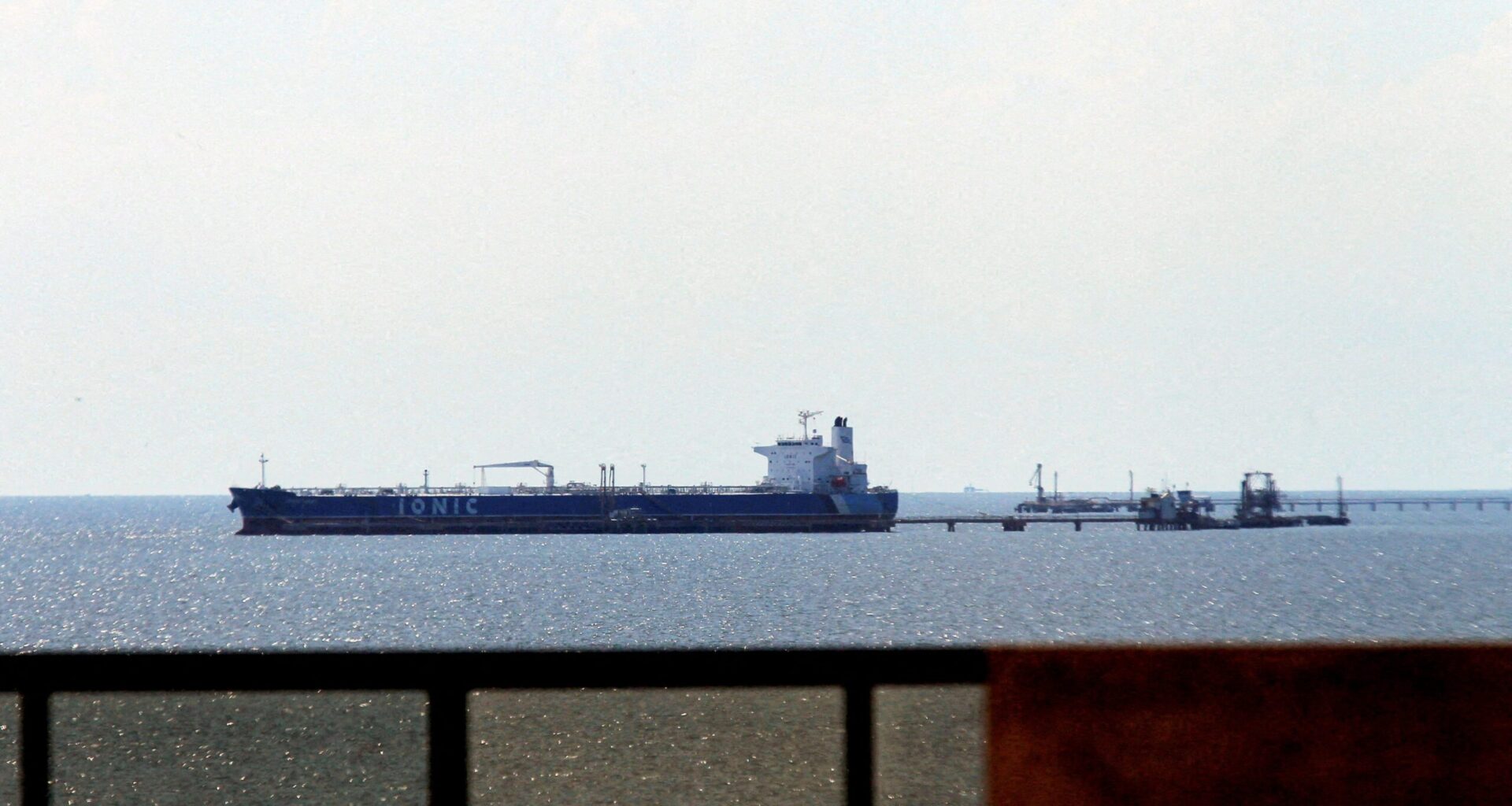
Meanwhile, the shadow fleet serving sanctioned trades continues its cat-and-mouse game. Despite Trump’s blockade rhetoric, approximately a dozen oil tankers reportedly slipped out of Venezuelan waters in early January carrying an estimated twelve million barrels of crude, most operating in dark mode with transponders switched off. The only Venezuelan crude moving openly remains that loaded by Chevron under specific U.S. license, creating the paradox of American pressure reserving Venezuelan barrels primarily for American interests.
The crisis’s strategic dimensions extend beyond Venezuela. Many of the same vessels, intermediaries, insurers and ship-management networks service Russian, Iranian and Venezuelan crude interchangeably, meaning pressure applied in one region exposes vulnerabilities across the entire system. Russia and China’s vocal condemnation signals their recognition that interdiction tactics tested in the Caribbean could migrate to other theatres.
For shipowners, charterers and seafarers, the message is increasingly clear: the commercial seascape has been permanently altered. War-risk premiums, once the domain of recognized conflict zones, are now spreading to waters that were considered stable just days ago. The question facing the industry is no longer whether to adapt to this new reality, but how quickly operations can adjust to a world where maritime commerce and geopolitical enforcement have become inseparable in ways not seen since the Cold War.

Subscribe for Daily Maritime Insights
Sign up for gCaptain’s newsletter and never miss an update
— trusted by our 107,403 members