
The start of the year has been interesting here in New York State when it comes to our weather. Typically, we are still dealing with plenty of snowfall this time of year, yet temperatures are expected to approach 60 degrees by the end of the week. As the snow melts and the mud returns, many homeowners are beginning to notice broken branches and limbs left behind from recent windstorms.
If you are thinking about cleaning up your yard, it is important to know that New York State has very specific laws when it comes to getting rid of branches, sticks, and brush, especially if you plan to burn them.
New York State’s Annual Burn Ban
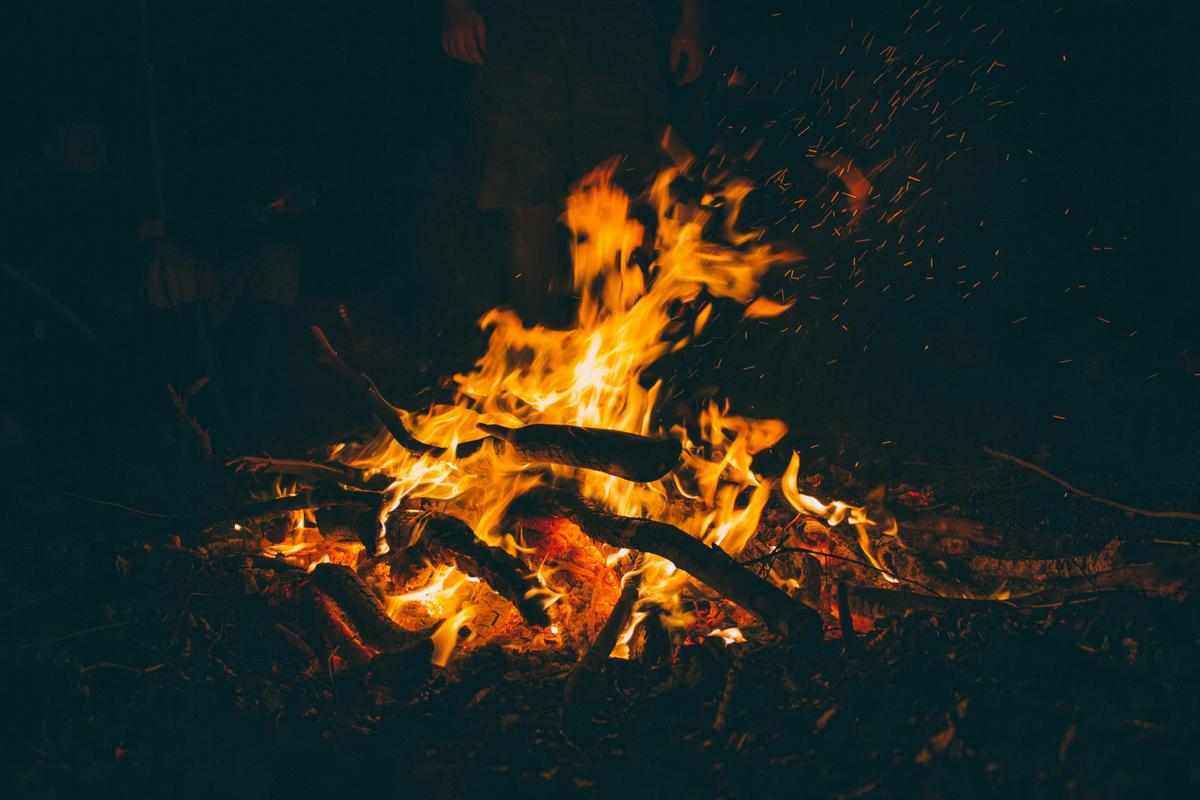
Most New Yorkers are familiar with the annual burn ban, which typically runs from mid-March through mid-May. During this time, open burning is prohibited to reduce the risk of wildfires and prevent fires from spreading into nearby neighborhoods.
This seasonal ban is enforced statewide and is especially important during periods when dry conditions can quickly turn a small fire into a dangerous situation.
Materials That Are Illegal to Burn Year-Round
Beyond the seasonal burn ban, there are certain materials that are never allowed to be burned anywhere in New York State. These rules are in place not only to prevent wildfires but also to protect the environment and public health.
“Burning pressure or chemically treated wood, painted or stained wood, or composite wood such as plywood and particle board”.
Related: 2026 Fireplace and Wood Stove Law in New York State
According to New York State law, prohibited materials include trash items such as tires, chemicals, and household waste.
These materials can release harmful chemicals into the air when burned and are considered unsafe for open burning. You can even smell the difference when these things are being burned.
Burning Rules for Farms and Agricultural Land
When it comes to agricultural land, the New York State Department of Environmental Conservation (DEC) has separate and very specific regulations. Farms often deal with different materials, which is why some exceptions exist.
“Open fires are allowed on contiguous agricultural land larger than 5 acres that is actively devoted to agricultural or horticultural activities. Open fires on agricultural land are not subject to the annual brush burning ban”.
For example, certain materials must be completely burned within 24 hours, and only specific items are approved for disposal by fire. The state also clearly defines what qualifies as agricultural land. In some cases, open burning may be allowed on properties larger than five acres, but restrictions still apply.
Farmers and landowners should always verify DEC guidelines before starting any fire.
What About Burning Cardboard in New York State?
Like many families after the holidays, we were left with a steady stream of cardboard boxes from online orders. That got me thinking…what should you actually do with all that cardboard?
Did you recycle it? Reuse it for storage? Lay it down in the garden to help prevent weeds? Or did you consider burning it?
While I briefly considered burning our cardboard, cardboard can be difficult to fully burn and may fall under the category of rubbish or trash, which is generally illegal to burn in New York State. In most cases, recycling or reusing cardboard is the safer, and legal, option.
Check Local Laws Before You Burn
Regardless of where you live in the Empire State, it is always smart to check your local laws before lighting any fire. In most areas, burning trash is illegal, and burn barrels are not allowed due to the intense heat they generate and the increased fire risk.
Even campfires are subject to specific rules and size limitations under New York State law. Safety should always be the top priority…for you, your family, and your neighbors.
New York State is home to incredible natural resources, and it is our responsibility to protect them. By following burning regulations and practicing fire safety, we can help prevent wildfires and keep our communities safe.
Firewood Rules In NY State You Should Know
Gallery Credit: Clay Moden