
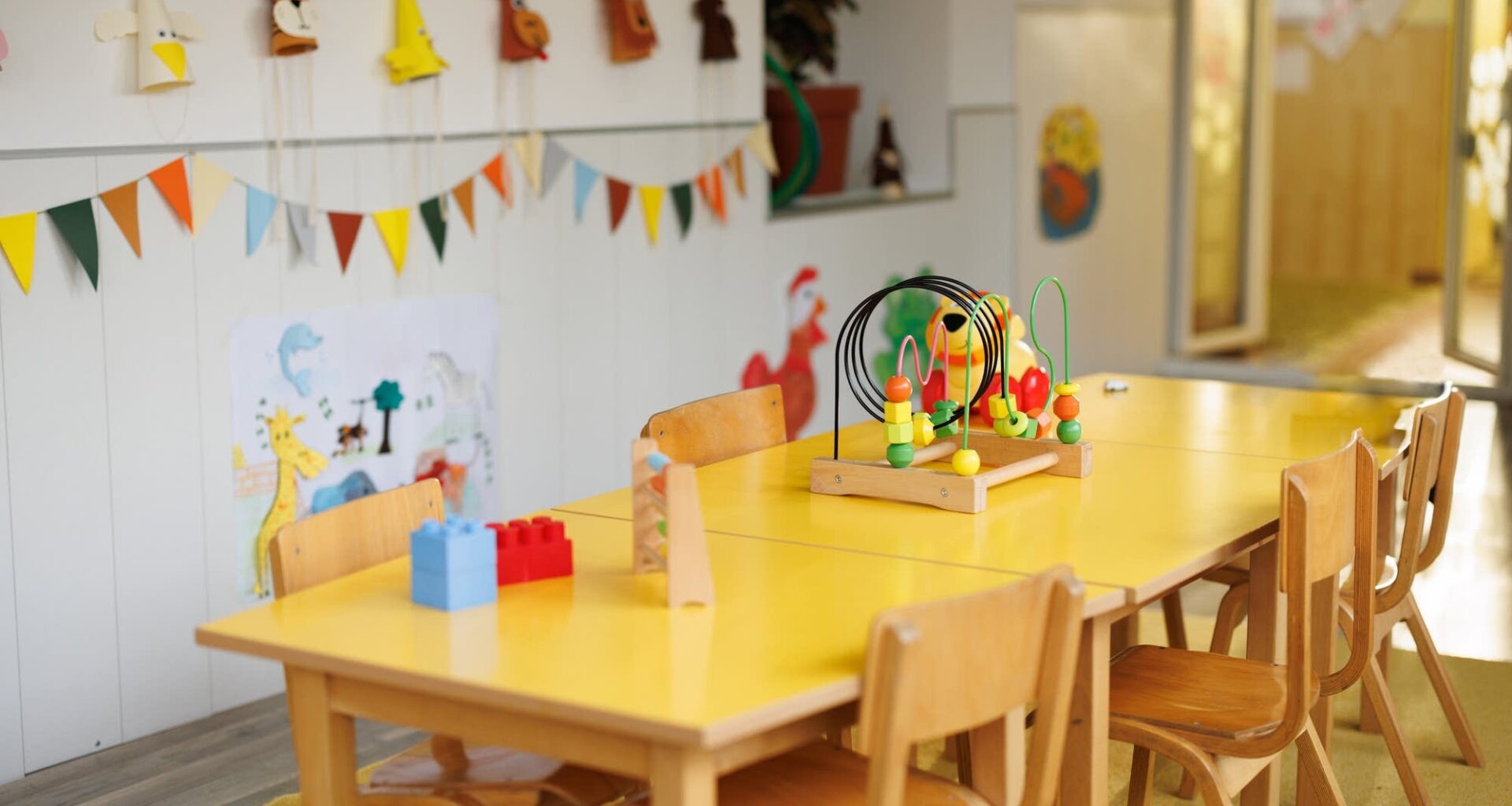
In New York City, 3- and 4-year-old children can already go to preschool for free. Now, that program is expanding.
New York City Mayor Zohran Mamdani and New York Gov. Kathy Hochul announced Thursday that the city will provide free care to 2-year-old children, starting in “high-need” areas in September, with funding provided by the state.
The city plans to cover every 2-year-old child by 2029.
Child care is often the largest monthly expense for parents — or second biggest, after rent or a mortgage.
Even so, many providers are also struggling. Some states and cities are trying to come up with solutions.
Julie Kashen, senior fellow at The Century Foundation, said child care is a textbook example of a broken market.
“Parents can’t afford to pay more, but early educators who do this incredibly valuable work are underpaid,” Kashen said.
Providing high-quality child care is a lot of work and is expensive, University of South Carolina professor Jessica Brown said.
“It takes a lot of people to care for kids, and so even at low wages, those low wages add up quickly,” she said. “There’s also benefits for the provider, and employer taxes, and the facility.”
Kashen said it doesn’t make sense to expect parents to fund it all themselves, and they shouldn’t be asked to do so for preschool, either.
“We don’t ask a parent to show up with a check to pay for the bricks-and-mortar building of their K-12 education system, or to write the check for their third grade teachers,” she said.
Vicki Shabo, senior fellow at the New America think tank, said more cities and states have been trying to find ways to make preschool more affordable in the last few years. New Mexico just became the first state to offer universal child care.
“Vermont is another place that’s invested in child care,” Shabo said. “We’ve also seen child care investments through ballot initiatives in red states.”
Child care doesn’t just help kids and parents, but it also helps the economy, Shabo said.
“We saw during the pandemic the ripple effects that happened when care centers closed and when schools closed, and what that meant for parents’ employment,” she said. “As a result of that, we saw massive swells in public opinion in support of finding solutions to child care.”
Now, polls show that support remains high.
Related Topics