
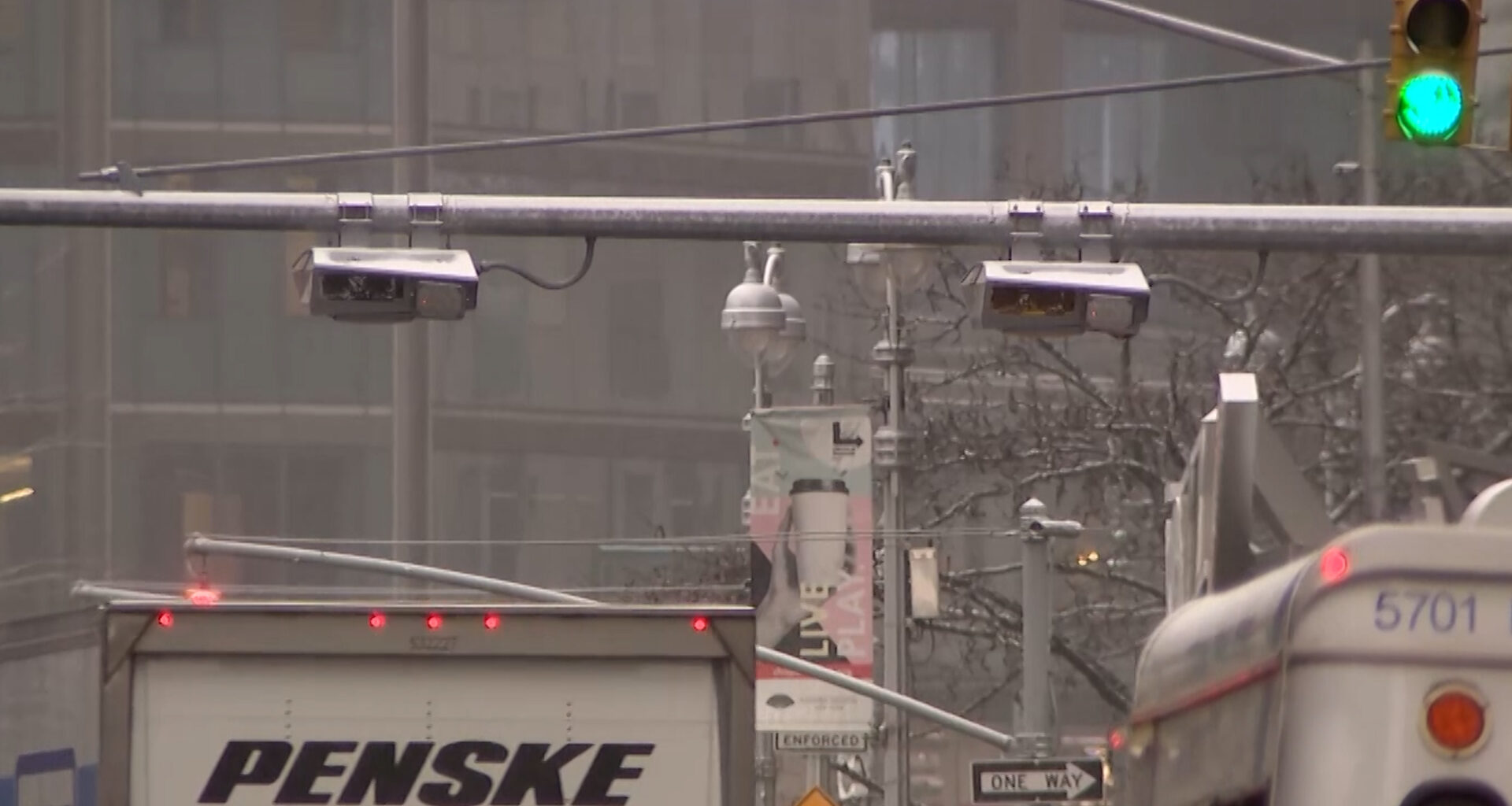
It’s been a year since congestion pricing began in New York City, and transit advocates are hailing the program’s first chapter.
Through congestion pricing, drivers are charged toll for entering Manhattan south of 60th Street, the so-called “Central Business District.” The program was implemented with promises of reducing gridlock and pollution in lower Manhattan, while raising money for critical upgrades to the city’s transit system.
Renae Reynolds, executive director of the Tri-State Transportation Campaign, has been a vocal supporter of the congestion pricing program. She said New Jerseyans travelling to the city have benefitted from the program over the past year, with Manhattan traffic down 15% and roughly $550 million in revenue raised for city transit improvements.
“The data has been positive on pretty much every measure,” Reynolds said in an interview with NJ Spotlight News.
 Many New Jersey officials warned in the leadup to congestion pricing’s implementation that the tolling scheme would simply push traffic onto different routes, leading to increased air pollution and nuisances in Garden State communities. But Reynolds says there’s not much evidence to show that’s happened.
“We have not seen what has been the major concern, which is that there would be a diversion of traffic to other areas,” Reynolds said. “I think that speaks to the plan, right, and it’s success in hopefully diverting folks from unnecessary trips into the Central Business District. Getting folks out of their cars and on to mass transit, which was the goal from the beginning.”
Some New Jersey drivers have offered personal anecdotes that they haven’t noticed any change to their trips into the city beyond an extra fee. But Reynolds said she herself regularly drives into the toll zone, and she’s feeling the benefits.
“I’ve seen my time into the Central Business District reduced sometimes by 15, 20 even 30 minutes, depending on the day,” Reynolds said.
Lawsuits challenging the legality of the congestion pricing program remain ongoing, but so far no legal challenges have affected the program since it was launched last year.

We’re in this together.
For a better-informed future.
Support our nonprofit newsroom.