
A free event in Manhattan Beach next week will honor Human Trafficking Awareness Month, and teach attendees about the dangers of child grooming and exploitation and how to recognize and respond to trafficking situations.
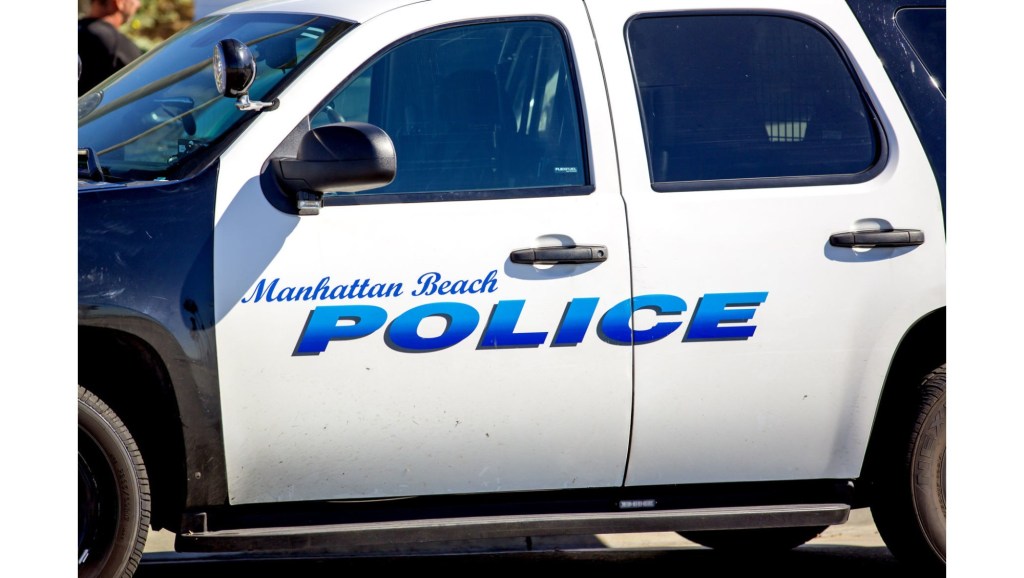
The Soroptompist International of South Bay and the Manhattan Beach Police Department will host the human trafficking awareness forum at 6 p.m. Thursday, Jan. 15, at the Joslyn Community Center, 1601 N. Valley Drive, the womens’ volunteer organization announced recently.
Speakers from Project SHIELD, an Orange County human trafficking prevention education and victim assistance organization; Restoration Diversion Services, a Compton nonprofit that helps people escape and recover from human and sex trafficking; and the Manhattan Beach Police Department will share insights into the realities of human trafficking around Southern California, as well as practical tools to help people recognize and respond to potential trafficking situations.
“Human trafficking is not a distant issue — it affects communities like ours,” Soroptimist officials said. “This event is designed to educate, empower and encourage action by bringing together prevention experts, survivor advocates and law enforcement.”
The Soroptimist International of South Bay is a nonprofit dedicated to improving the lives of women and girls through education, empowerment and advocacy. Members work with local partners to address critical issues impacting women and families across the South Bay.
On top of January being Human Trafficking Awareness Month, Soroptimist officials said, the issue is an important topic for the beach cities community to learn more about as the region prepares for major international events, including the 2026 World Cup and the 2028 Summer Olympics.
During the presentation, Sandra Pendelton-Dorton of Project SHIELD, Deatra Handy of Restoration Diversion Services and MBPD officer Chris Ineguez will discuss online grooming and exploitation of youth, increased trafficking risks tied to major events, common red flags and warning signs, prevention and survivor-centered response strategies, and how individuals and communities can help protect vulnerable populations.