
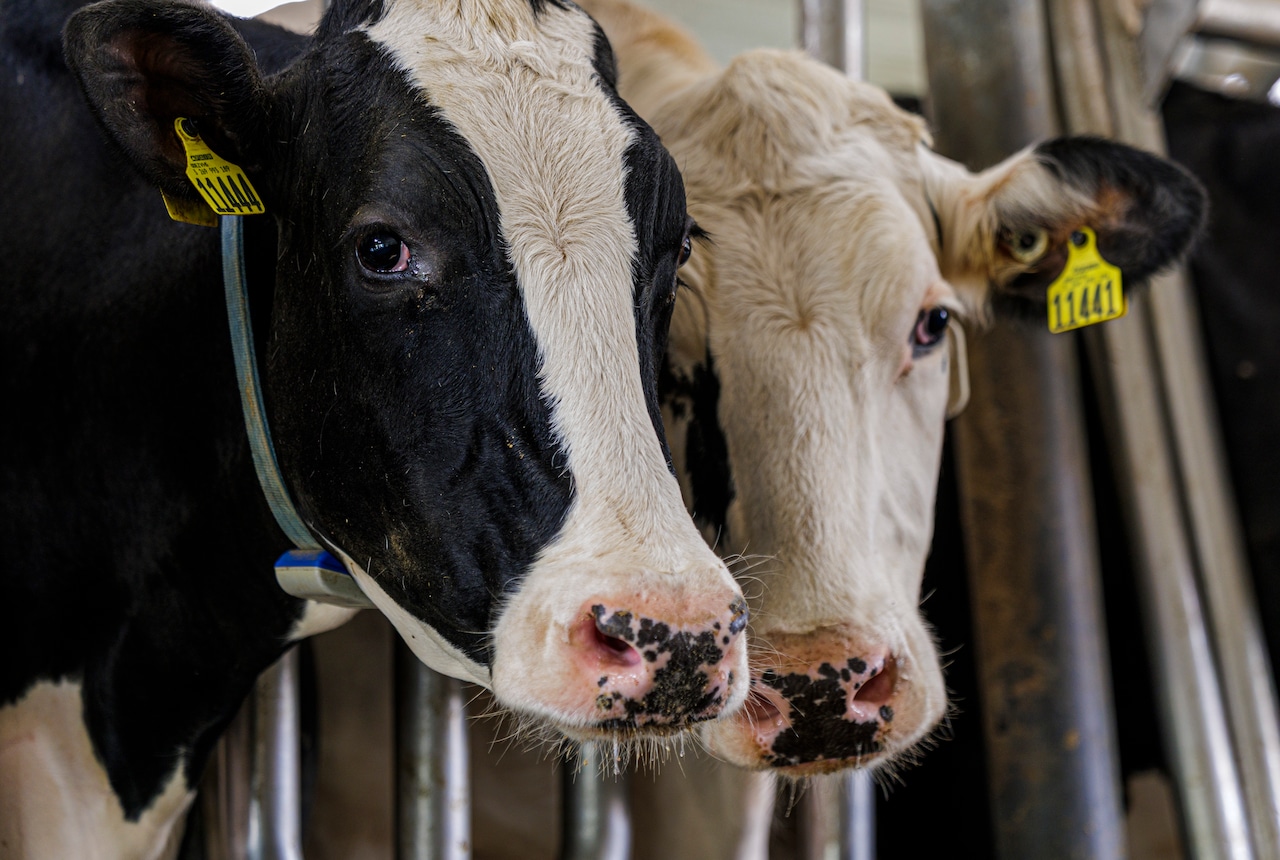
Gov. Kathy Hochul today will propose a $30 million relief fund for New York dairy and specialty crop farmers facing higher costs from President Donald Trump’s tariffs on imported goods.
Hochul’s office said the relief fund is among the priorities the governor will include in her 2026 State of the State address outlining her vision for New York. Hochul plans to deliver her address at 1 p.m. in the Hart Theatre in Albany.
The Trump administration last month announced it would make $12 billion worth of one-time payments available to farmers whose costs have soared due to federal tariffs.
Those federal payments would reach farmers on Feb. 28 for major covered commodities such as soybeans, corn, and wheat. Payments will be capped at $155,000 per farm or person.
But the U.S. Department of Agriculture program won’t provide any meaningful support for dairy farms and specialty crop farmers, according to state officials.
To make up for some of the tariff-related losses, Hochul wants to establish the Agricultural Resiliency Against Tariffs Program.
Eligible growers, livestock producers and dairy farmers in New York would be able to apply for direct payments from the state to offset rising costs from the tariffs, the governor’s office said.
“Washington Republicans have turned their backs on our farmers, advancing crippling tariffs that are causing costs to rise across the board,” Hochul said in a statement. “By providing direct tariff relief, extending the refundable investment tax credit and advancing an additional round of the Dairy Modernization Program, New York is stepping in to provide real support to our farmers when they need it most.”
Details on how farmers would apply for the payments and eligibility requirements will be included in Hochul’s budget proposal later this month, a spokesperson said.
New York’s 30,000 farms have seen prices rise over the past year for essential items like seed, fertilizer and farm machinery because of tariffs on imports, while being hit hard by retaliatory tariffs from traditional trade partners like Canada and Mexico.
More than 20 percent of farm income in New York state comes from exports, while more than 80 percent of agrochemical imports and 70% of farm machinery imports come from nations subject to U.S. tariffs, according to the state Department of Agriculture and Markets.
An initial state analysis of the impact of Trump’s tariffs on New York through Sept. 30 found the extra costs were taking a disproportionate toll on the dairy and wine industries.
The state’s milk exports in the first half of 2025 were down 7 percent to 12 percent compared to the same period in 2024, the report said.
Wine exports to Canada, the largest destination for U.S.-produced wine, were down more than 91% from the previous year.
Karin Reeves, a fifth-generation family farmer from Baldwinsville’s Reeves Farms, said any relief from the higher costs caused by Trump’s tariff policies would be welcome news.
Her family grows strawberries, sweet corn, tomatoes, peppers, squash, pumpkins and cucumbers on about 350 acres and leases more than 1,000 acres to other farmers.
Reeves said the tariffs have raised the costs of imported seeds the family buys in the winter and fertilizer prices have been up and down as a volatile market tries to adjust to the tariffs.
She said most vegetable seeds are produced in Asia and are now subject to the federal tariffs. While farmers pass along some of the costs to consumers, the rising prices also cut into profits.
Reeves said the tariffs are the latest blow to hit family farms, prompting some to consider leaving the business.
“Between labor challenges and the pressure to put land into solar, there are a lot of other options farmers are looking at other than farming,” Reeves said. “When you add the challenge that everything is more expensive, and we’re not really getting anything more for our crops, people begin considering other things.”