
Image credit: Scott Frances
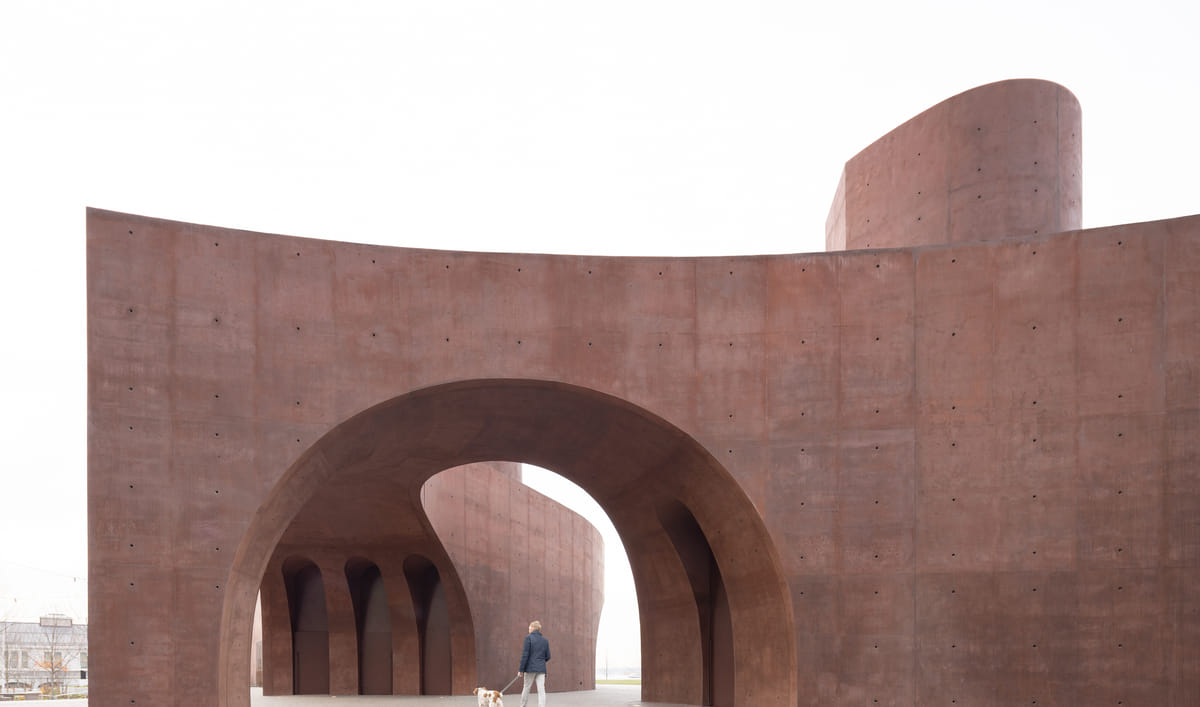
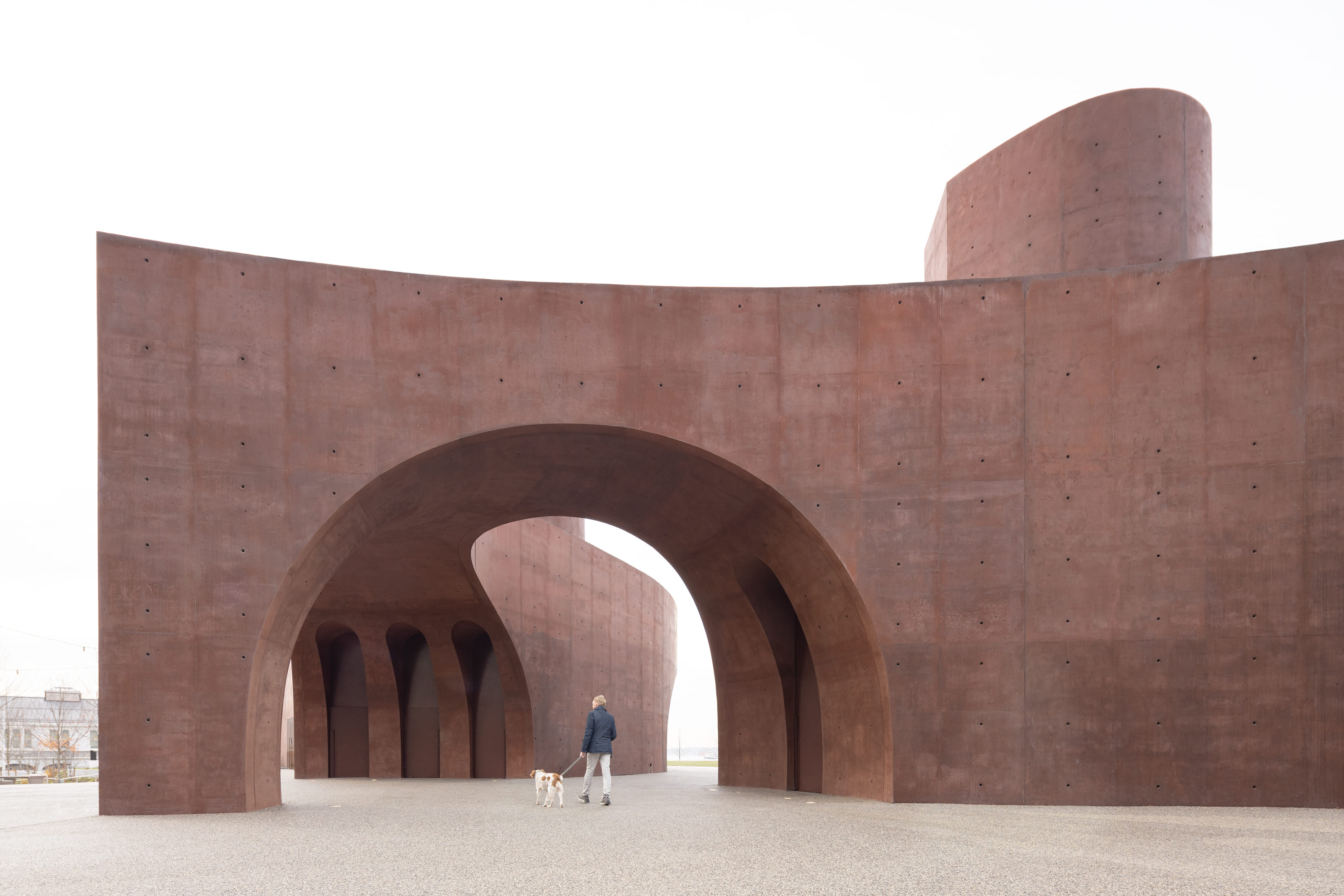
Thomas Phifer and Partners has completed the Wagner Park Pavilion, a major component of the South Battery Park City Resiliency Project. The large-scale initiative is aimed at protecting Lower Manhattan from future storm surge and sea level rise while maintaining public access to the waterfront.
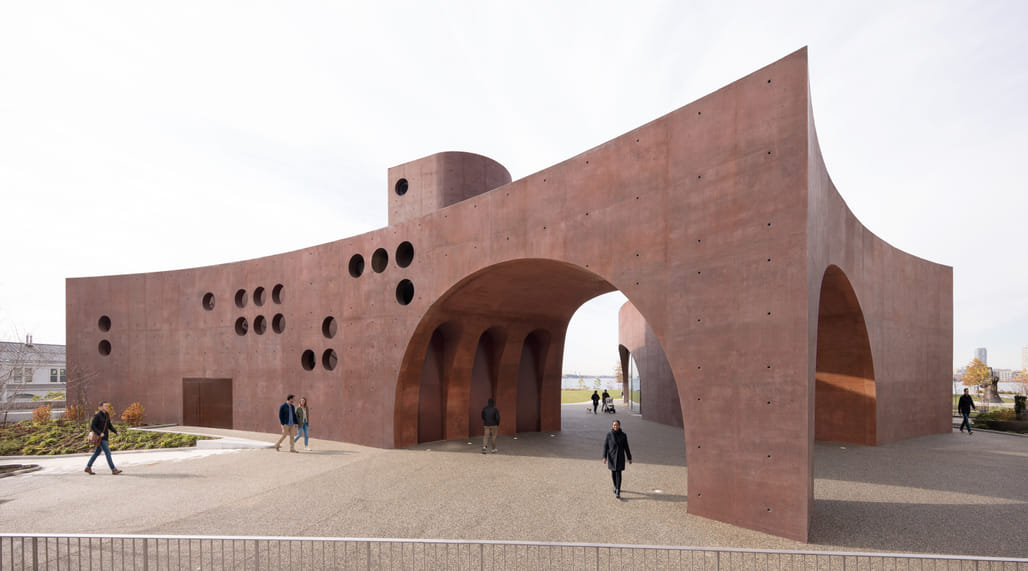
Image credit: Scott Frances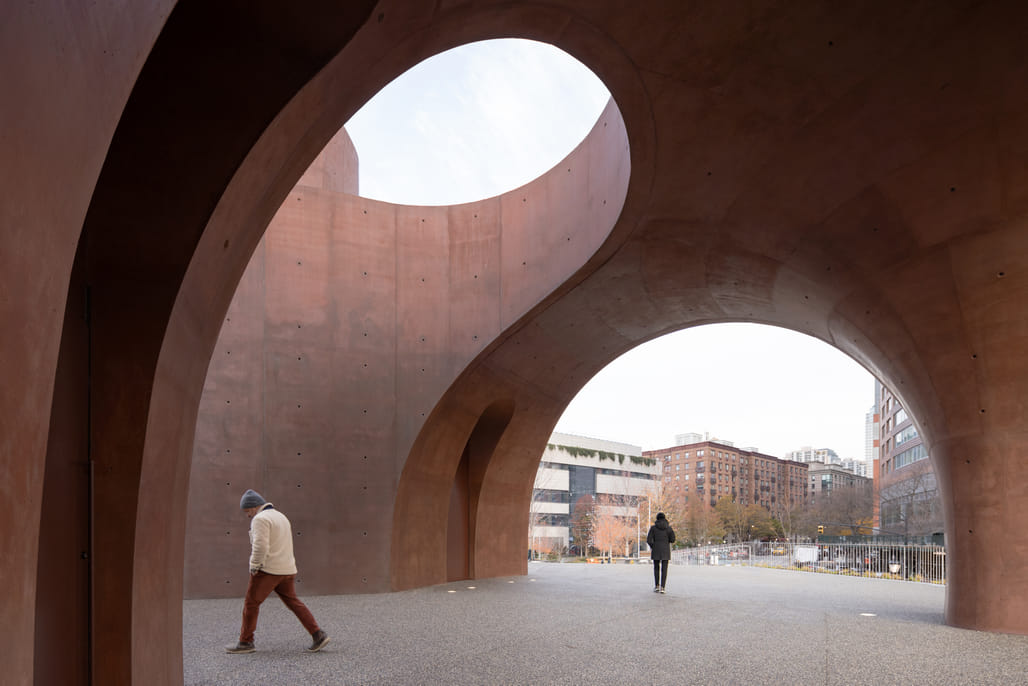 Image credit: Scott Frances
The South Battery Park City Resiliency Project is part of a wider network of Lower Manhattan flood mitigation efforts. The scheme is engineered to withstand a 100-year storm event projected for 2050, incorporating allowances for anticipated sea level rise. In addition to flood protection, the project includes interior drainage upgrades and improvements to public open space, with the goal of reducing flood risk for Battery Park City and surrounding neighbourhoods.
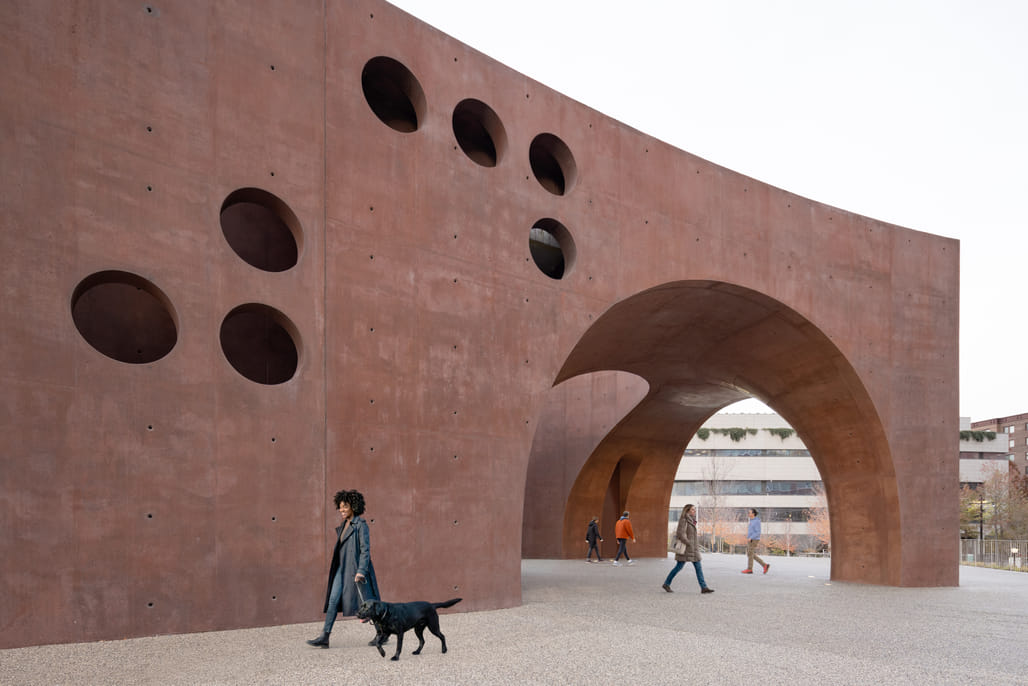
Image credit: Scott Frances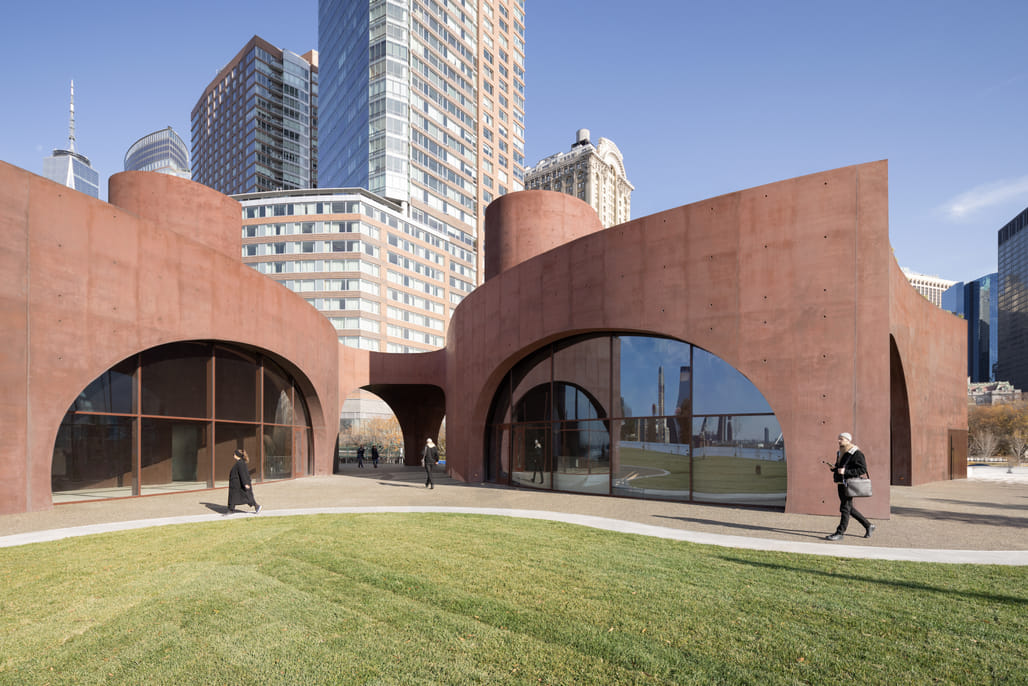 Image credit: Scott Frances
Wagner Park itself is elevated by approximately 10 feet compared with its previous level to meet flood resilience requirements. The park’s layout is designed around maintaining key sightlines to New York Harbor, the Statue of Liberty, and Ellis Island, while concealing flood mitigation infrastructure beneath the raised landscape.
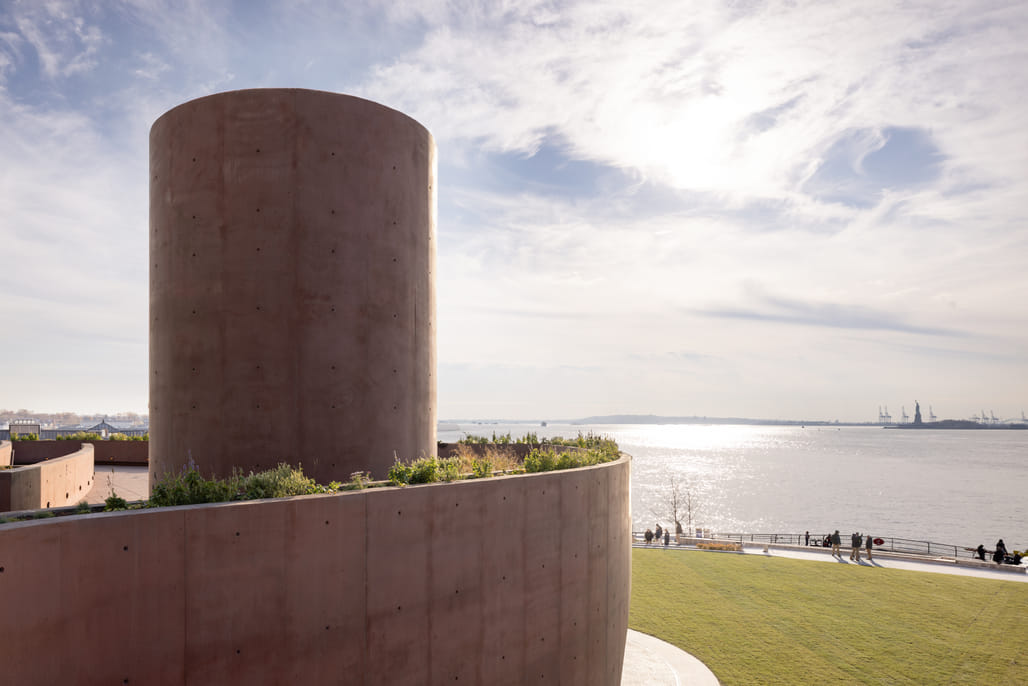
Image credit: Scott Frances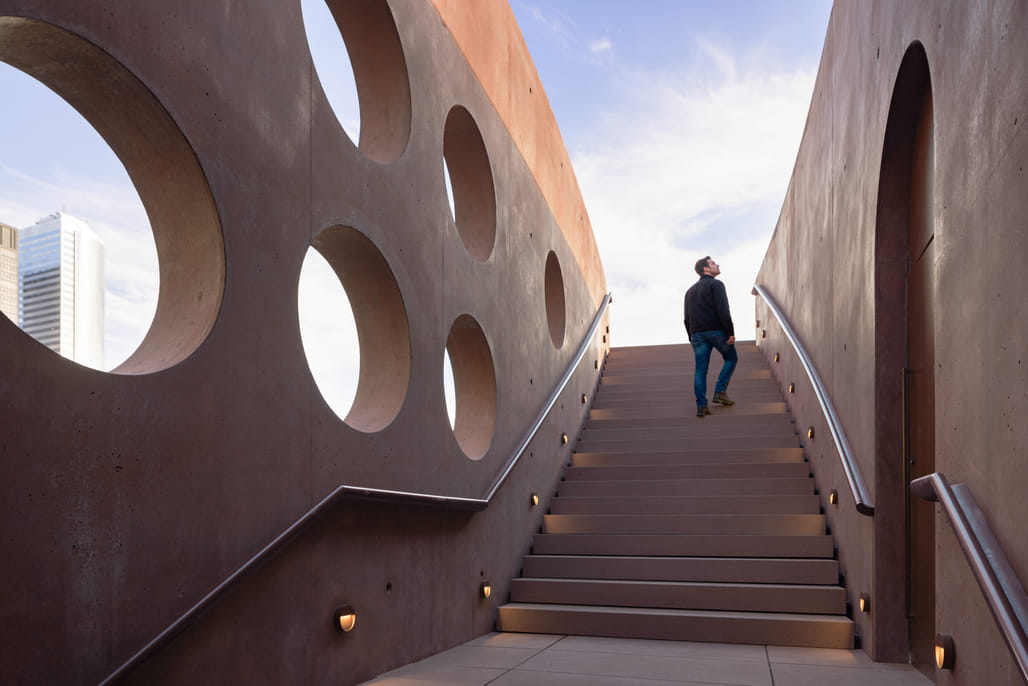 Image credit: Scott Frances
Visitors approach the Wagner Pavilion from Battery Place through two sloped garden terraces aligned with tree-lined allées, or from the esplanade via accessible ramps and stairs. The pavilion’s red-toned concrete structure features arched vaults that open onto a public piazza and frame views of the harbor. The program includes a restaurant, a classroom, and a publicly accessible observation deck offering 360-degree views across the harbor, Battery Park City, and Lower Manhattan.
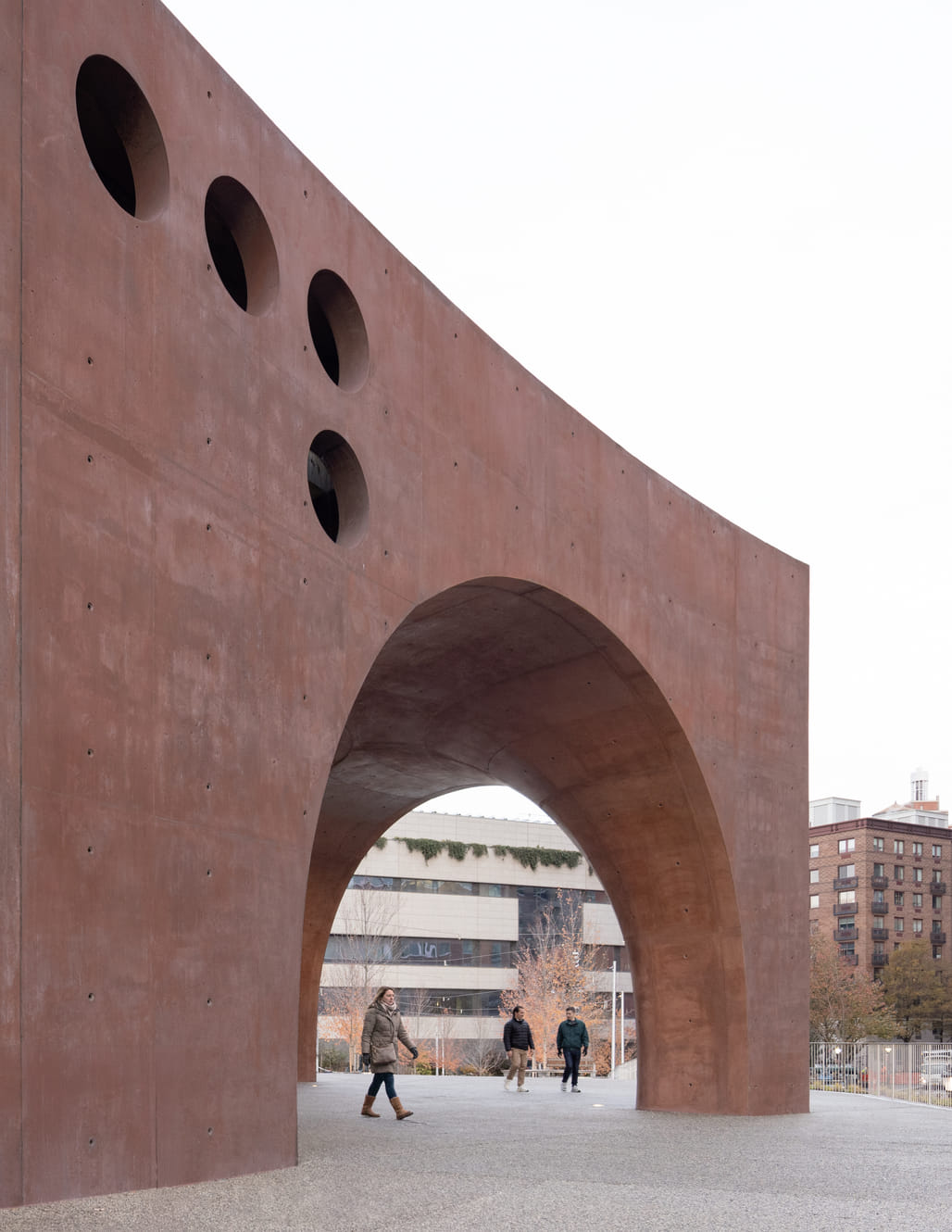
Image credit: Scott Frances
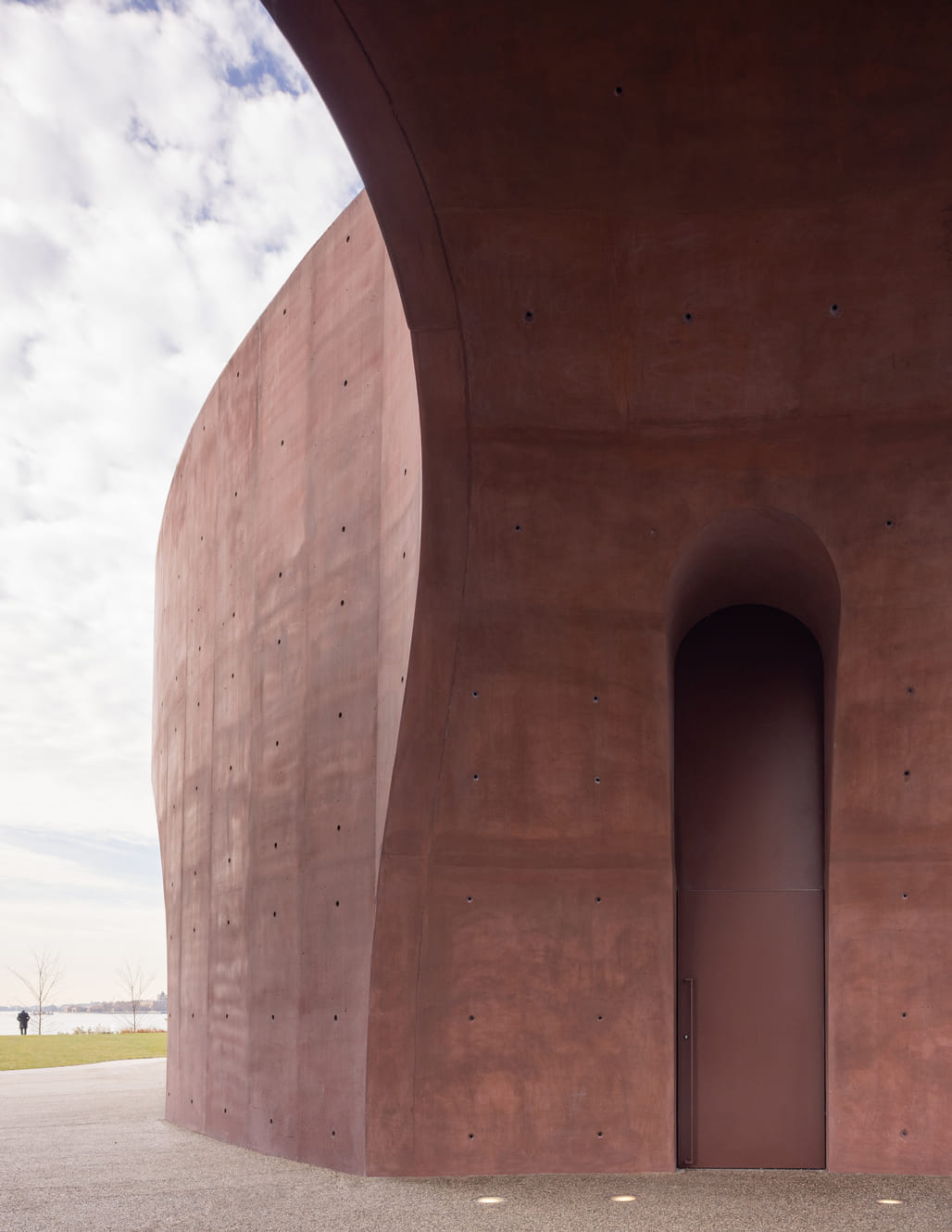
Image credit: Scott Frances
The site’s stormwater management system distinguishes between areas landward and seaward of the flood protection line, capturing and filtering runoff through planted gardens, infiltration galleries, and reuse cisterns for non-potable applications such as irrigation. High-albedo and pervious materials are used extensively, and lighting adheres to dark-sky principles.
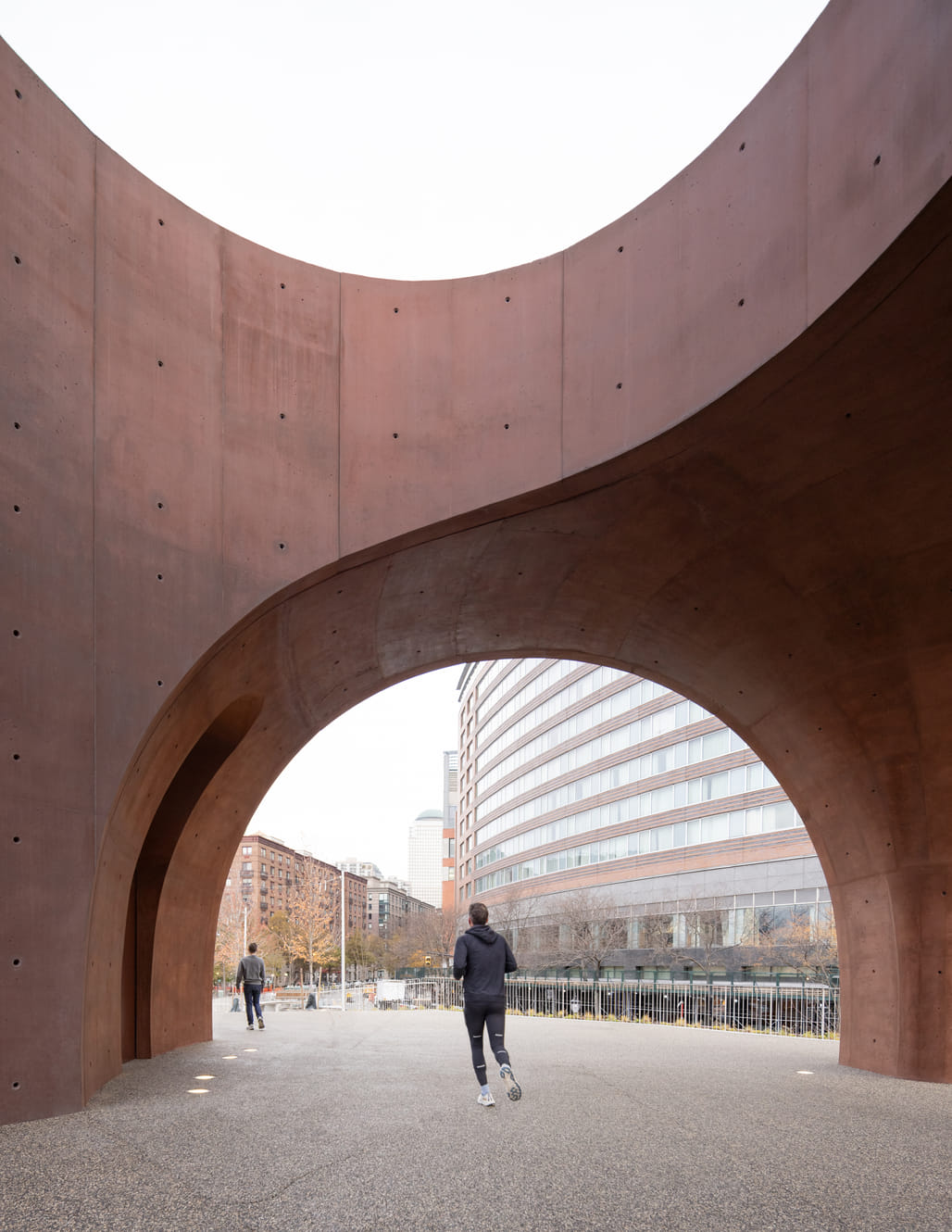
Image credit: Scott Frances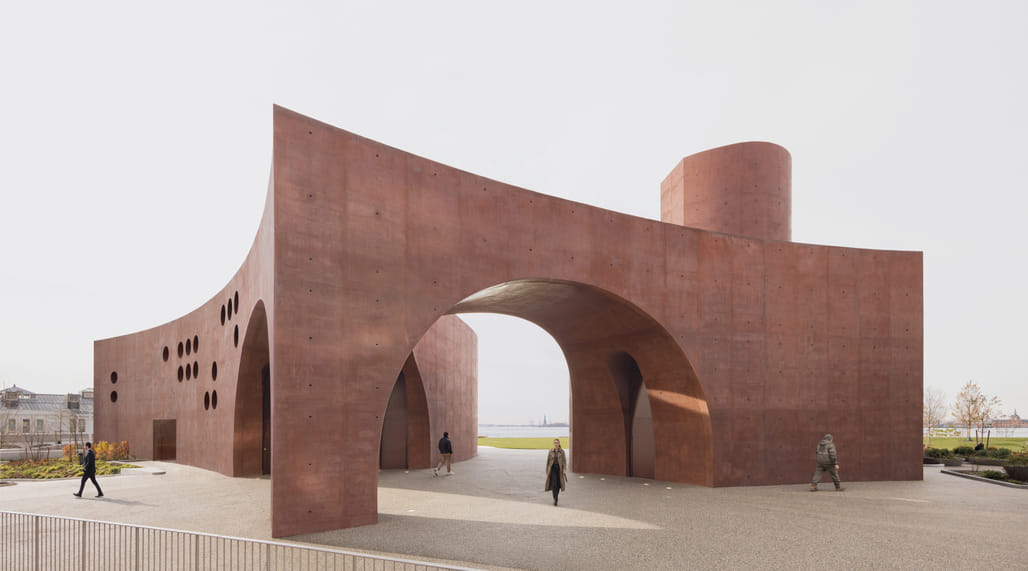 Image credit: Scott Frances
The redesigned park has achieved Gold certification under the Waterfront Alliance’s Waterfront Edge Design Guidelines. Ecological interventions include living shoreline elements, habitat shelves, and marine education zones intended to support biodiversity and public learning.
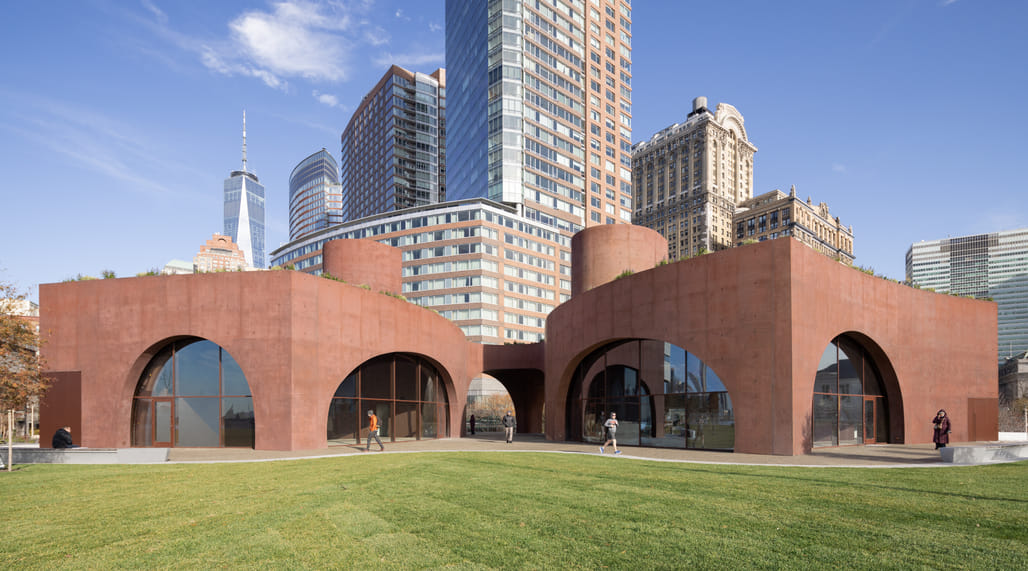
Image credit: Scott Frances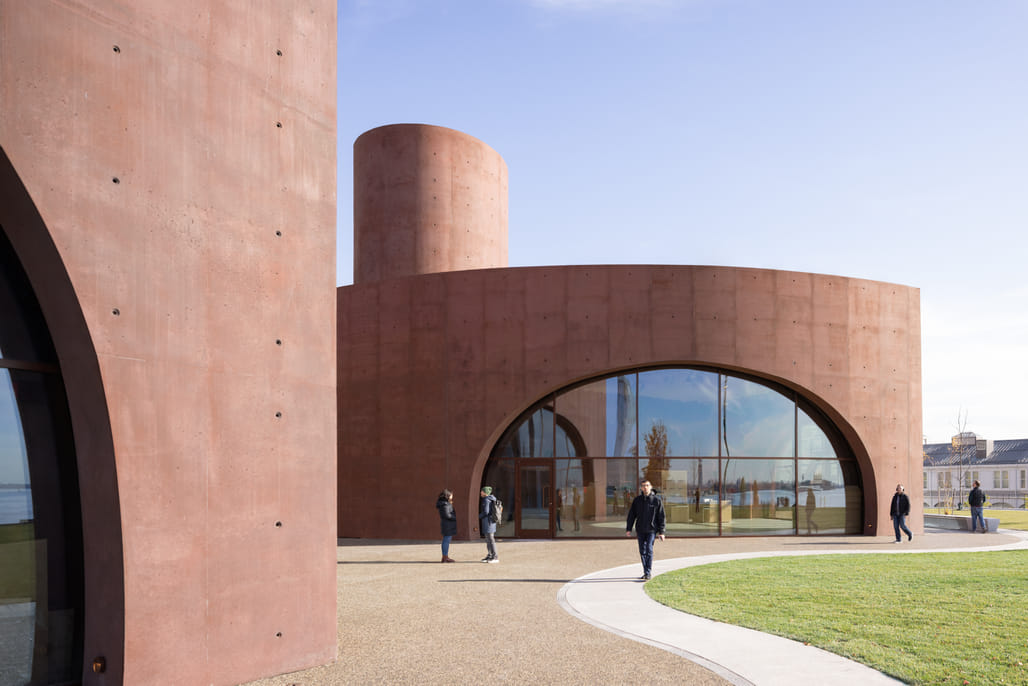 Image credit: Scott Frances
Similar articles on Archinect that may interest you…