
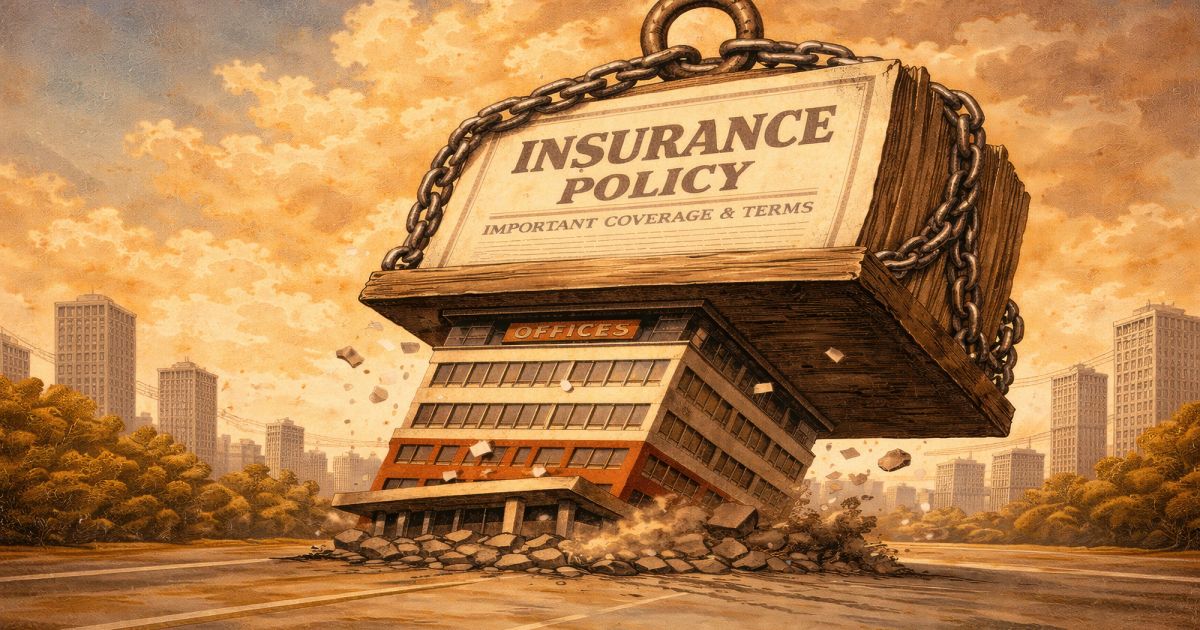
Some days Matt Engel wonders whether he can continue to lease out affordable apartments in New York City.
As president of Langsam Property Services, a Bronx-based real estate management company, Engel oversees about 10,000 rent-regulated apartments, nearly 85 percent of which are in the Bronx.
SEE ALSO: LaundryBee Inks 10K-SF Lease at 115-53 Sutphin Boulevard, Queens
Engel’s utility and water bills have been inching upward recently, but his insurance costs have doubled in recent years, accounting for nearly a quarter of every dollar of rent he collects.
Premiums set to $1,100 per apartment each year in 2018 now cost Engel’s company an average of $2,200 per unit. In three buildings in the Bronx, Langsam is paying $3,600 per apartment each year to remain covered under his policy.
Yet the rents Langsam collects, an average of $1,150 per month, have stayed mostly flat because the units’ rents are set based on rates approved by the city’s Rent Guidelines Board (RGB).
“We’re deciding whether we can continue to operate these buildings or walk away and give them to the bank, which will cost them the same amount to carry that insurance,” Engel told Commercial Observer. “Regadless of who owns the building, they’re going to have the same challenges.”
Landlords must purchase property and liability insurance because government agencies and mortgage lenders won’t approve any financing without it. But the rising price of property and liability policies for multifamily buildings, as well as bars and nightclubs, has been making New York that much more unaffordable.
Premiums for owners of rent-regulated buildings jumped 150 percent between 2019 and 2025 while the overall costs to operate their buildings rose 33 percent, according to a New York University Furman Center report. Meanwhile, bar and restaurant owners said insurance costs are the second-
highest concern after labor costs, according to a third-quarter 2025 survey by the New York City Hospitality Alliance.
State and city leaders have vowed to prioritize curbing the costs of living and doing business in New York. Mayor Zohran Mamdani has pledged to slow rent increases for the city’s 1 million rent-regulated apartments and reduce fines and fees small businesses pay to operate. Gov. Kathy Hochul has issued refund checks to New Yorkers, promised to make pre-K free statewide, and may introduce legislation during her annual budget address to cap taxes on tips. State senators also held a legislative hearing on the availability and costs of insurance in November and are expected to issue a report with their findings later this month.
In perhaps the most dramatic reaction to New York’s escalating insurance costs, some affordable housing owners in 2024 pooled resources to start a captive insurance company. The premium payers (the owners) own the firm, called Milford Street Association, and enjoy lower premiums. The approach is not easily replicable, and Milford Street took two years to launch.
In the meantime, landlords have largely absorbed these insurance costs while some bar owners pass them down through higher prices. In some instances, expenses have risen so fast that bar owners closed their establishments and property owners have been pushed to the brink of insolvency.
“In areas like the Bronx, we are not able to make it work,” Engel said. “Rents are restricted and expenses are growing at crazy rates highlighted by insurance, so New York’s rent-
regulated industry is headed over a cliff.”
The reasons for rising insurance rates are complex, but the costs of rebuilding after natural disasters, payouts from settlements and lack of competition have all contributed to the current crisis.
Insurers say they have been raising premiums to cover damages from stronger thunderstorms, fires and flooding. As climate change’s wrath has intensified, the industry was estimated to have paid out $145 billion in catastrophic losses in 2025.
The prevalence of slip-and-fall injury cases on sidewalks outside apartment buildings and large payouts for settlements in New York State courts have made insurers adjust their rates, too. Fraudulent claims are becoming more common as well, sometimes aided by entire networks of doctors, therapists and attorneys involved in an alleged scam. But insurance companies sometimes settle dubious claims anyway instead of waging a potentially costly court battle.
Both factors have caused insurers to avoid issuing policies in some neighborhoods or to leave the market entirely. In some instances, insurers won’t issue a policy until owners fix unruly tree pits and level sidewalks outside their properties, repairs that can cost many thousands of dollars.
Kenny Burgos, who represents many of the city’s rent-regulated property owners as CEO of the New York Apartment Association, said that it is more expensive to insure an apartment in Upper Manhattan and the West Bronx than in other parts of the city often because there are so few insurers issuing policies.
“We’ve seen a lot of insurers leave the market in the lowest-rent neighborhoods,” Burgos said. “Discrimination is always a high concern but very difficult to prove. Insurance companies are always able to cite other data as to why they’re coming out of the market.”
Decisions by insurers have had ripple effects on the region’s economy. Some landlords who own regulated buildings have sought to sell them. Those who don’t own regulated buildings pass their insurance costs through to their tenants, who then struggle to pay them. Average rent collection fell from 95 percent in 2017 to 91 percent in 2024, an Enterprise Community Partners report found.
Carlina Rivera, president and CEO of the New York State Association for Affordable Housing, worries that insurance expenses could dissuade owners receiving Low-Income Housing Tax Credit programs from moving forward with their projects.
“We know insurance costs are high, but if it’s not addressed the issue won’t just disincentivize new construction but threaten long-term viability of affordable housing,” she said.
New York nightlife operators are dealing with similar factors that led to rising premiums, including personal injury payouts and insurers exiting the market.
Restaurants, bars and nightclubs must carry liability insurance to cover any property damage that occurs on their premises. Bar owners can get targeted in slip-and-fall lawsuits like apartment owners do, but also face litigation from incidents that occur outside their venue or from drunk driving accidents hours after those involved visit a bar. Even minor violations over the city and the state’s complex labor laws, such as if a restaurant worker works in a non-tipped job but participates in the tip pool, can result in unnecessary legal liability that can push premiums upward.
And, though the risk hasn’t necessarily gone up, insurance expenses have risen. Annual premiums that used to be equivalent to 1 percent of an establishment’s sales climbed to 4 or 5 percent of sales, even if the businesses didn’t file any insurance claims, hospitality industry leaders said.
“In theory you have to increase your prices to cover the expenses, and that’s a very difficult balance for restaurants and nightclubs,” said Andrew Rigie, executive director of the New York City Hospitality Alliance, which represents restaurants and nightlife venues. “At many places customers are cost sensitive. There’s a value perception at certain bars.”
Several nightlife venues, including Our Wicked Lady and Paragon in Brooklyn, closed last year in part due to increasingly unaffordable insurance expenses (though Paragon later reopened with different owners). But most just pay their premiums and take home less revenue.
Dhruv Chopra, co-founder of the Bushwick nightclub Elsewhere, believes the state could help businesses lower their costs by curbing lawsuits and encouraging more insurance carriers to participate in the market. He wants the state to reform what’s known as Dram Shop Liability to prevent bars and clubs from being held accountable for a patron’s actions hours after drinking at their business.
“The two underlying issues are the lawsuits and insurance companies with their own bloated infrastructure that like high prices,” Chopra said. “I’m not saying we have become unsympathetic to plaintiffs, but we have to somewhat level the playing field. Small businesses are getting crushed.”
Chopra has explored creating a community-funded insurance company, but he has found that may work better in an industry where businesses can afford to save some of their revenue to get it off the ground.
“You’re left with bad choices. You can’t find coverage you need, can’t find it at a good price, and can’t find it in admitted markets,” he said. “They say, ‘My margin is 5 percent. That’s my take-home pay. Why am I doing this anymore?’”