
Curiosity is key
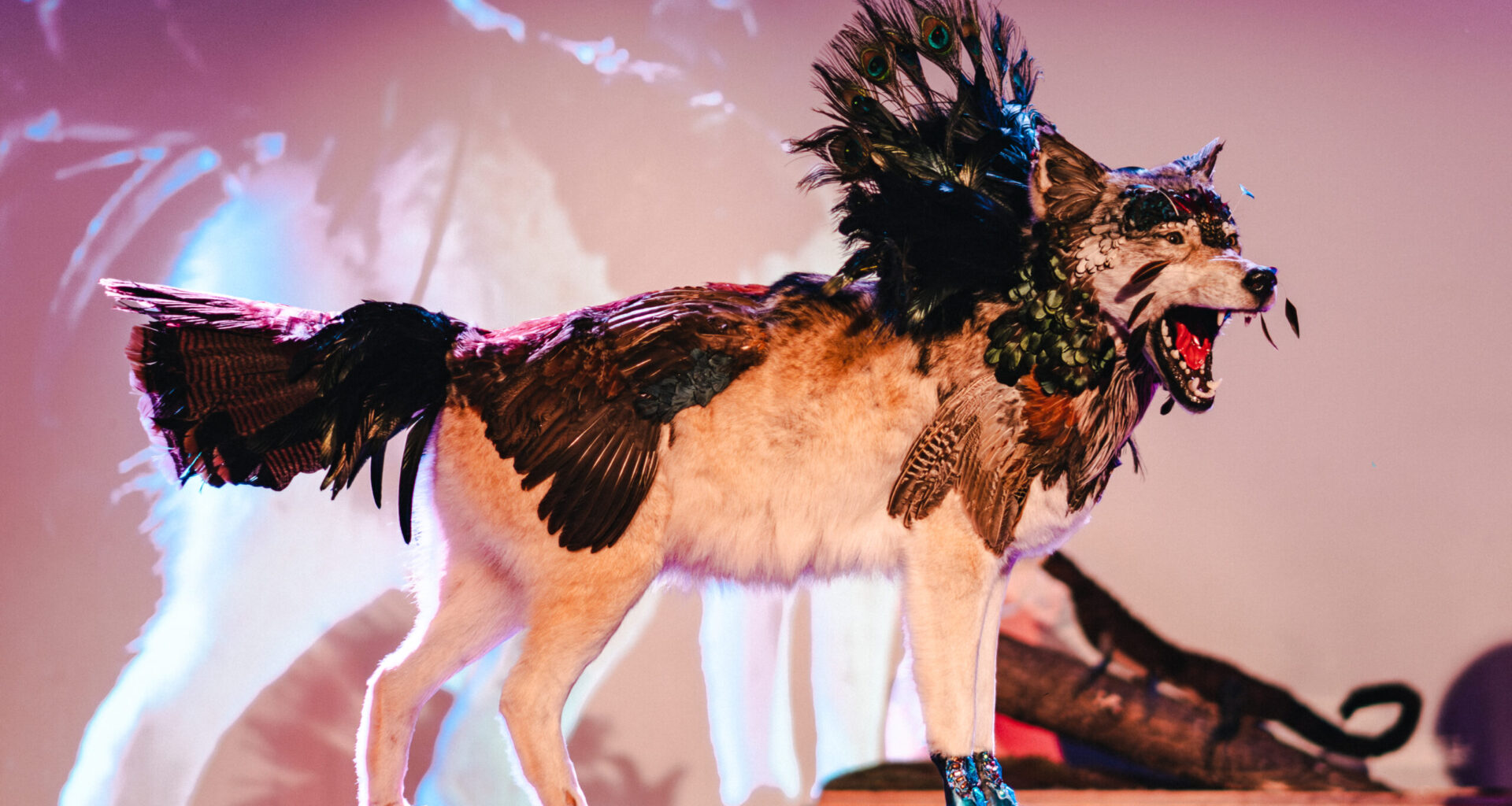
To challenge the stereotypes and expand access to the taxidermy community, Anantharaman organized Wunderkammer in 2018.
Wunderkammer is a taxidermy showcase primarily for queer artists and people of color to engage in the craft in an authentic, safe space. The name translates to “cabinet of curiosities,” which Anantharaman chose because curiosity is imperative for taxidermy.
“With Wunderkammer and taxidermy in general, there is this taboo. Taxidermy centers death, and Western culture is extremely anti- any nuanced conversation about death,” said Anantharaman. “I think that a lot of what we fear, we can replace with curiosity.”
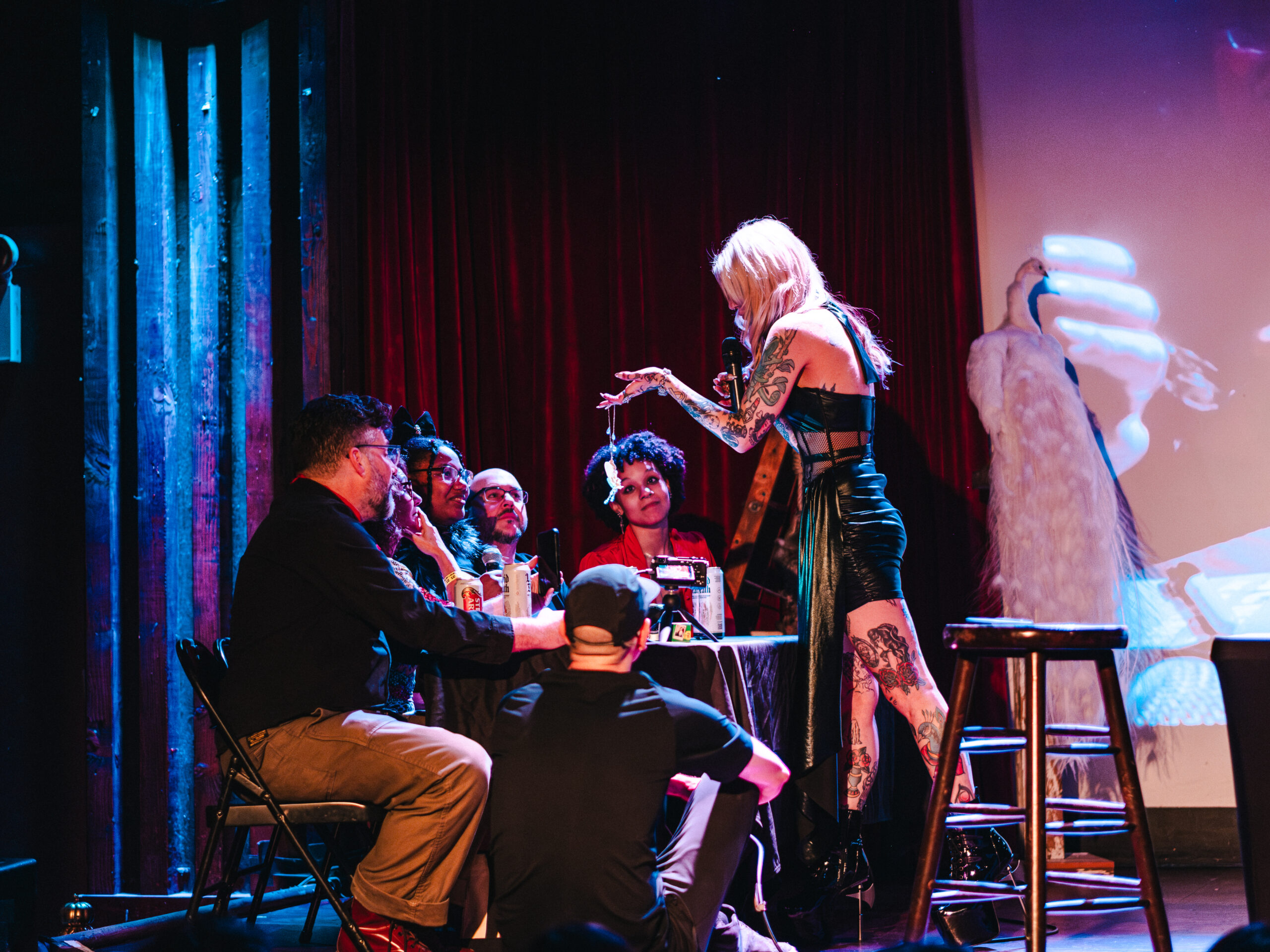 Wunderkammer is an annual taxidermy showcase in Brooklyn. Photo by Luis Suar
Building a community around taxidermy means taking on nuanced conversations about death and the cultural significance of taxidermy. “Something unique about Wunderkammer is that it recontextualizes taxidermy as this larger art form that not only deals with death but deals with the body and animals, these ideas of conservation and environmental stewardship and identity,” said Anantharaman. “It puts it in this much broader perspective as opposed to a rustic deer on a plaque or something like that.”
Wunderkammer has become an annual event that takes place around October each year in Brooklyn. Contrary to most taxidermy competitions and conventions, the event features performance art such as drag and burlesque along with showcases that highlight outside-the-box, fantastical approaches to taxidermy.
“I was seeing so much talent among my peers. I was like, we’re missing out by not giving these folks a platform,” said Anantharaman. “I really wanted this show to be something that brings people up and shines a positive light on parts of this already overlooked field. Taxidermy itself is already very niche, and fantasy work is even more niche among that.”
Brooklyn Taxidermy originated in Greenpoint but has since expanded to Sugar Loaf, NY. Brooklyn Taxidermy offers high-end taxidermy services and workshops, which evolved from Maykut’s passion to push the boundaries of what she could do with the art form.
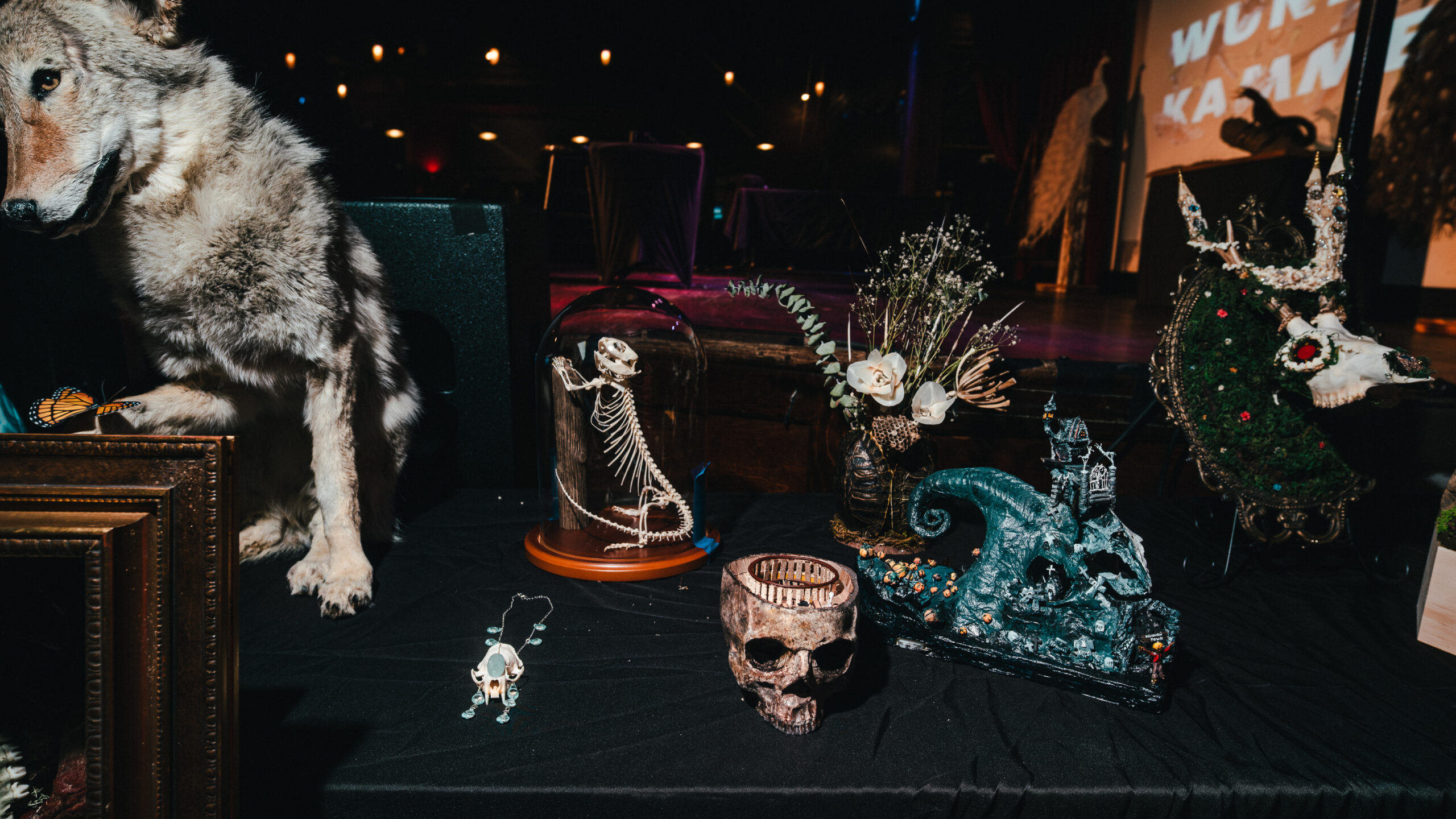 Wunderkammer is an annual taxidermy showcase in Brooklyn. Photo by Luis Suar
“Taxidermy is interesting to me because it’s art, but it’s science. It’s sculpture, but it’s anatomy. It’s dark, but it’s light. It’s morbid, but it’s cute. It’s dead, but it looks alive,” Maykut said. “It’s very loaded and provocative. It provokes feeling in you because it’s complicated.”
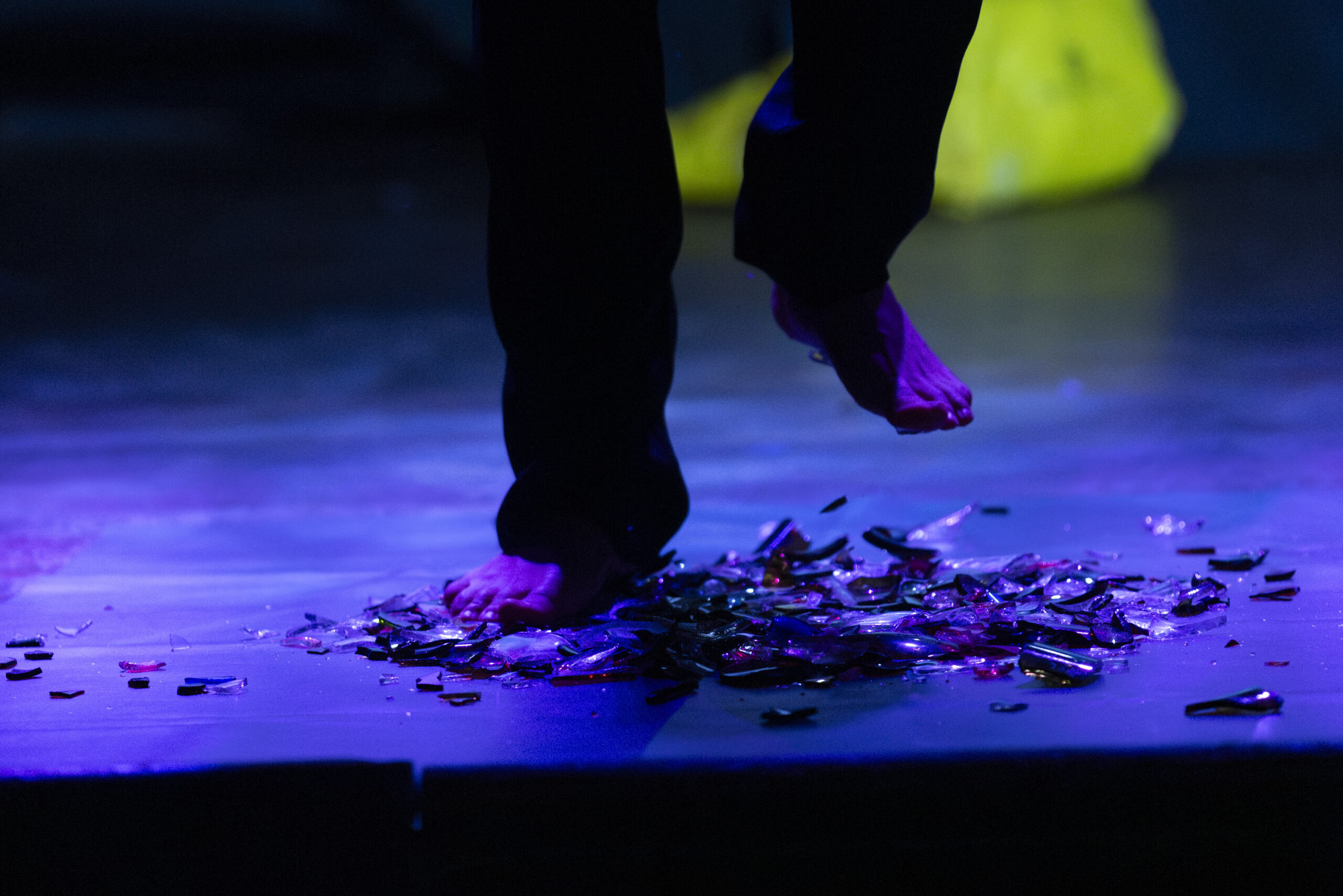 Wunderkammer 2025, organized by Divya Anantharaman of Gotham Taxidermy. Photo by Timothy Caraballo
Maykut is also involved with the Oddities Flea Market in Manhattan, where taxidermy artists sell their work and offer demonstrations. At the annual event held at Metropolitan Pavilion, one can find exhibitions such as “The Bone Museum,” where taxidermists display preserved bones left from their projects, as well as displayable creations and gifts.
Food offerings are also on theme: Solid Wiggles offers Jell-O shots with faux eyeballs preserved between layers of translucent, blood-red gelatin. Along with taxidermy, mystical activities include oracle readings, custom microscopic photography of visitors’ irises and flash tattoos. The event takes place each December in New York City and has expanded to other cities as well.
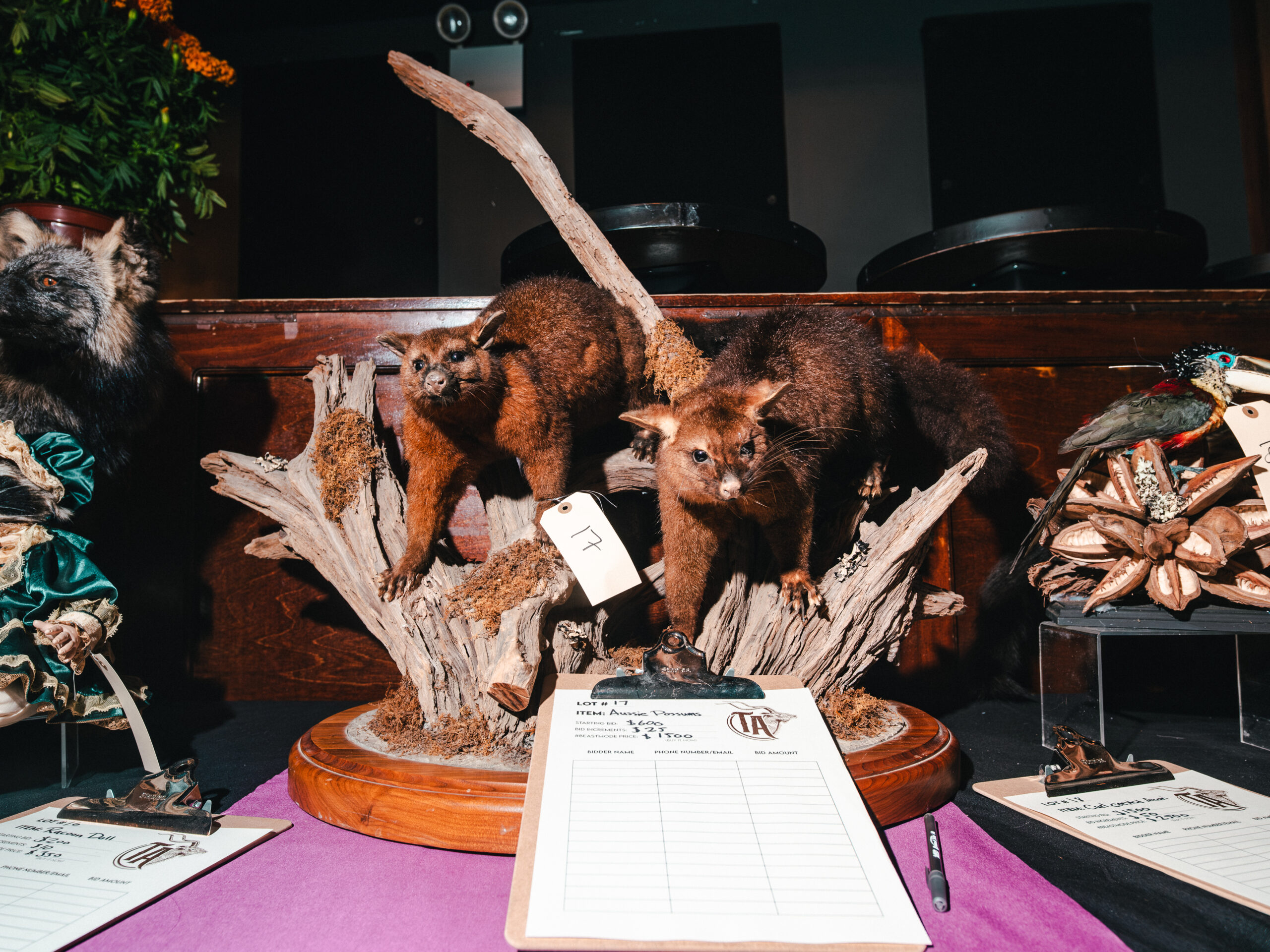 Wunderkammer is an annual taxidermy showcase in Brooklyn. Photo by Luis Suar
In October, Gotham Taxidermy collaborated with New York City-based jewelry brand Kil NYC to produce a line of wearable artifacts. The collaboration was celebrated with a launch party at Thea Grant in DUMBO.
“We have been longtime friends and colleagues and both have bought each other’s work,” Anantharaman said of working with Kil NYC. “The collaboration came from a mutual interest in animals, art and making wearable art that embodies glamour, mortality and fine craftsmanship.”
The success of the collaboration is a testament to taxidermy’s trendiness in Brooklyn.
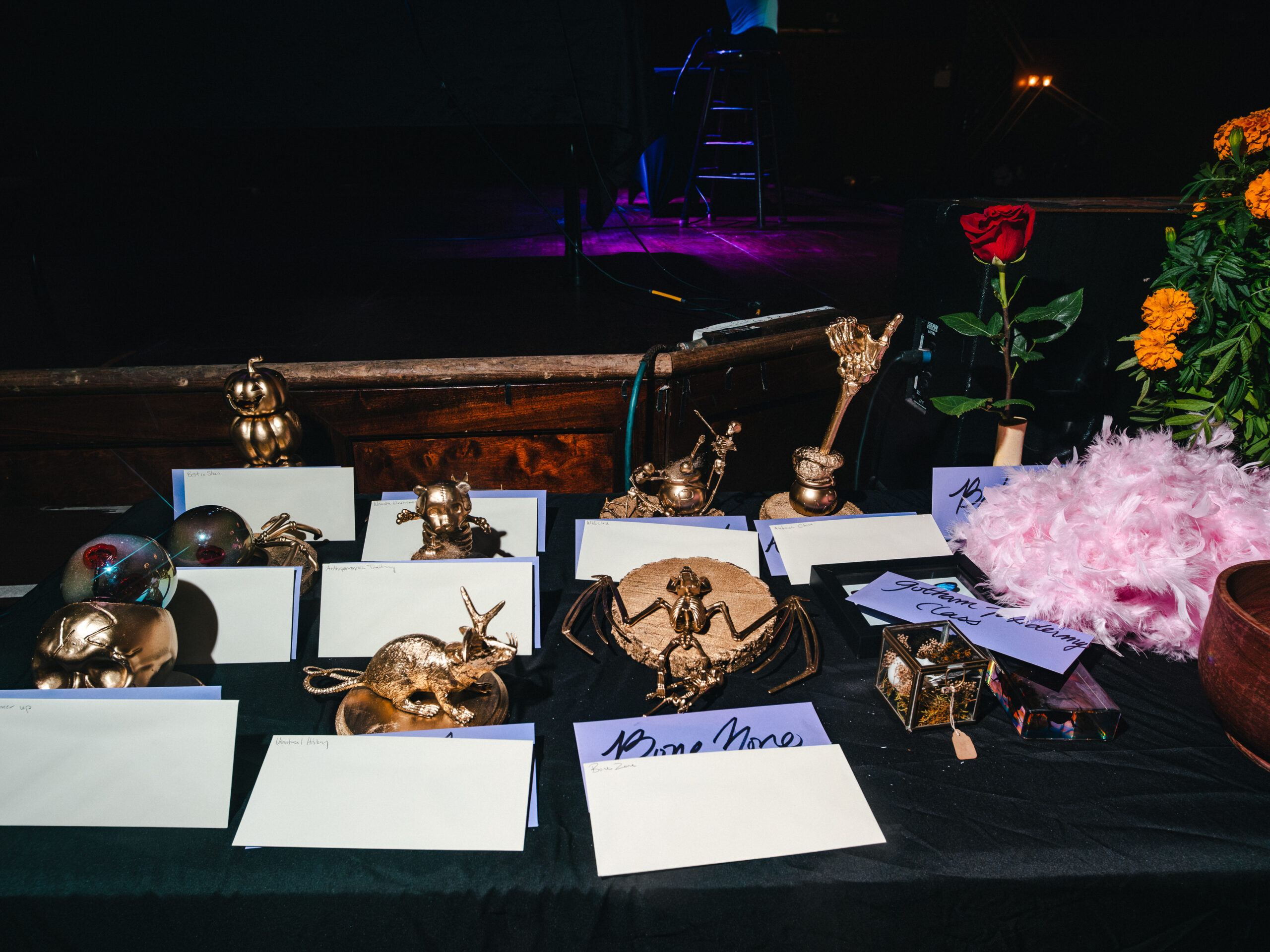 Wunderkammer is an annual taxidermy showcase in Brooklyn. Photo by Luis SuarPassing on the taxidermy torch
Maykut has received international recognition for her work and hopes to preserve the tradition by sharing her knowledge with aspiring taxidermists. Maykut regularly hosts workshops centered around specific projects such as rodents, foxes or butterflies, with an average capacity of six.
The classes are not so different from other art events. At one of Maykut’s beginner workshops, a group of first-time taxidermy students gathered in Greenpoint to learn the basics of taxidermying rodents. Maykut provided a few bottles of wine, and the students bantered and provided feedback on each other’s projects.
Masha and Monica chose to taxidermy chipmunks, giggling as they made the inanimate creatures kiss as the glue dried.
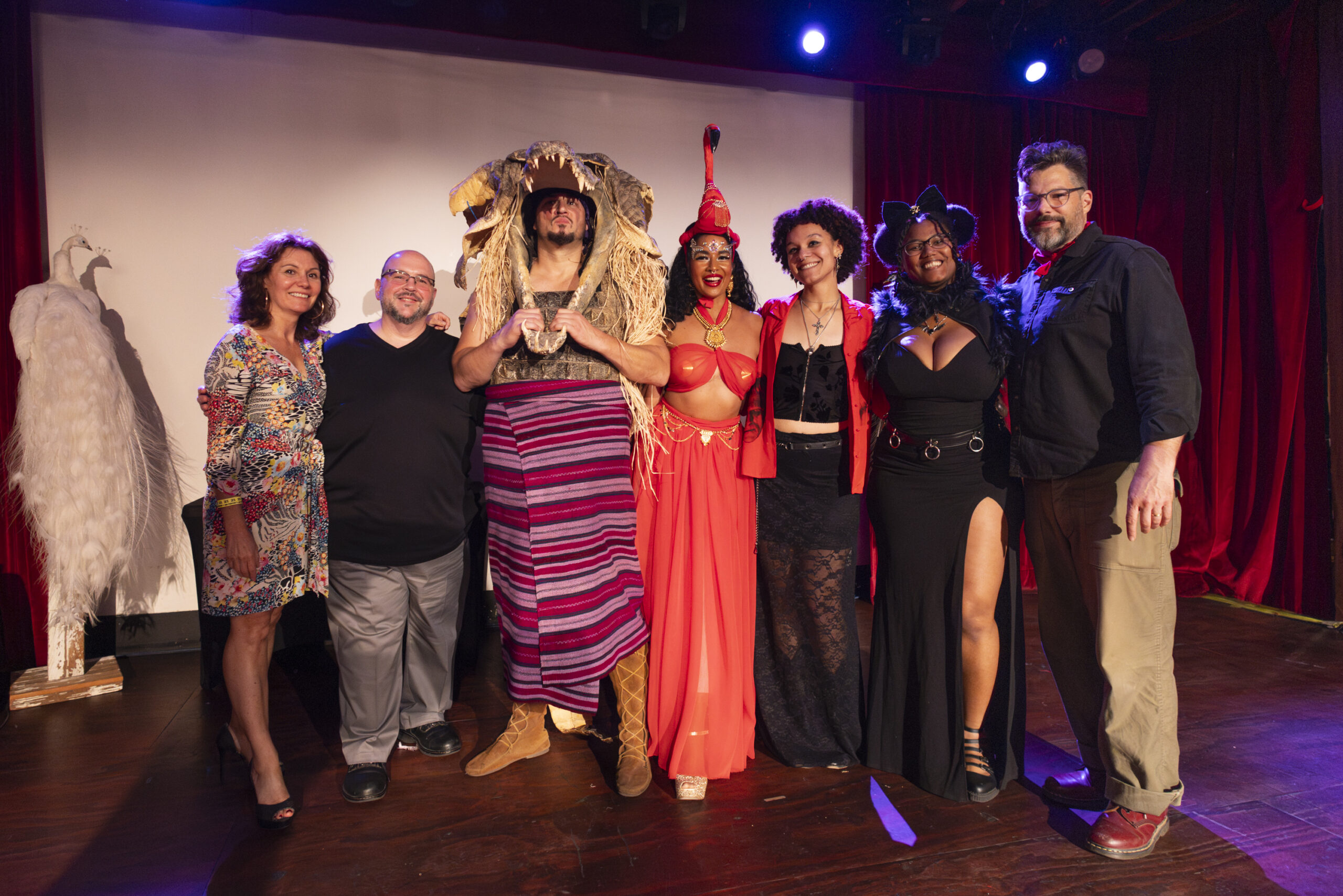 Wunderkammer 2025, organized by Divya Anantharaman of Gotham Taxidermy. Photo by Timothy Caraballo
Months before, the pair likely wouldn’t have been caught molding an animal to clay and wire with pins and glue. Self-defined “crafty girls,” Monica and Masha started taking pottery classes together in 2023. Since then, they’ve tried other hobbies like weaving, embroidery, crochet and flower arranging.
“I’ve always been curious about taxidermy, and when I found that [Maykut] was teaching classes, I was like, let’s do it. Why not?” said Monica.
“The class demystifies the entire idea of taxidermy,” added Masha. “It’s an intimidating or daunting idea for people, and it seems like it’s gonna be a lot scarier, but it’s not. It’s shockingly accessible and very educational.”
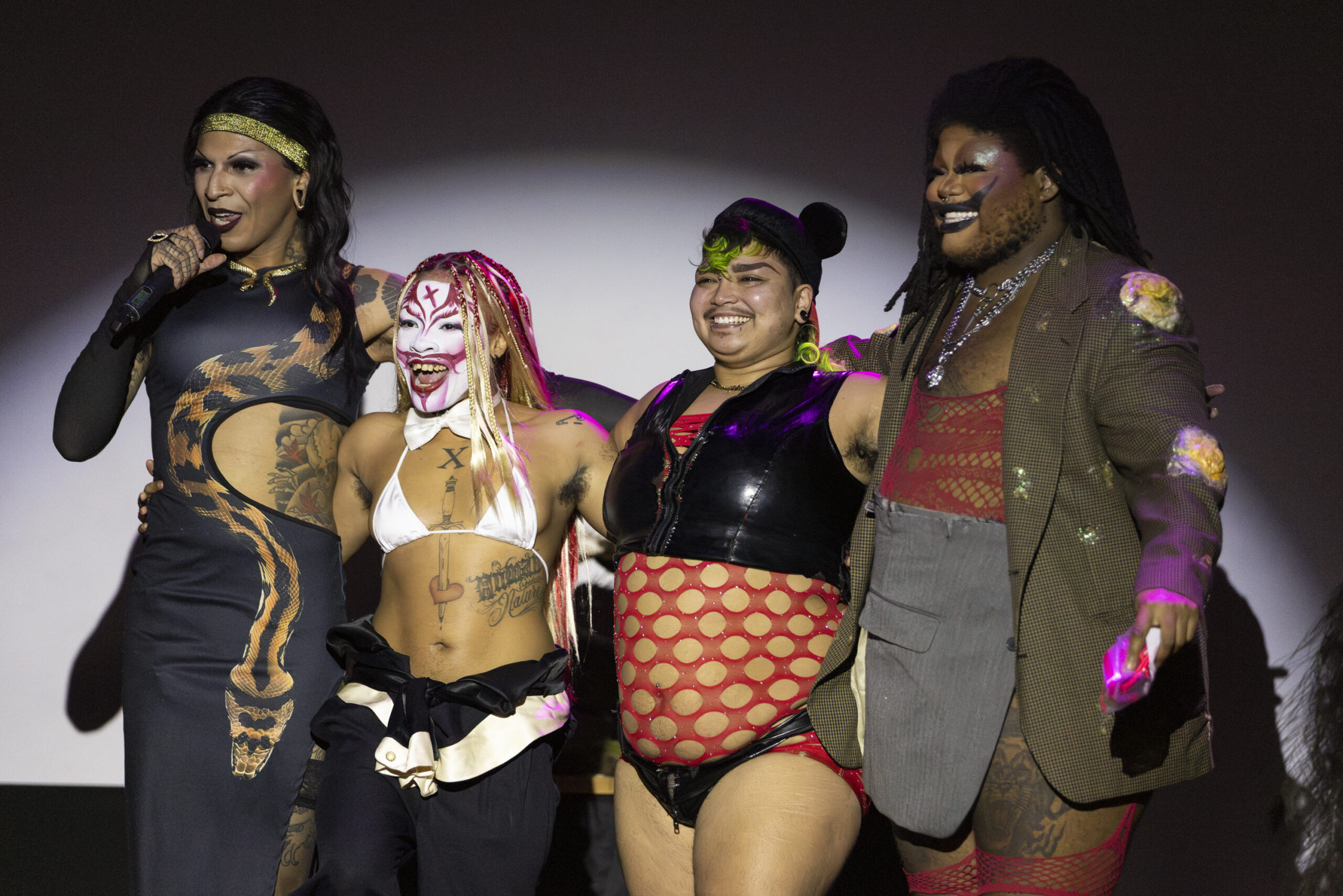 Wunderkammer 2025, organized by Divya Anantharaman of Gotham Taxidermy. Photo by Timothy Caraballo
Maykut emphasizes accessibility and encourages artists of all ages and skill levels to engage with the art form. The only requirement to attend one of her workshops is genuine interest.
Genia, an artist from upstate New York, traveled to take the rodent class, hoping to incorporate her newfound skills in her art. “I was interested in doing taxidermy for a while because I see different critters killed by cars where I live upstate,” said Genia. “I want to try to do small things on my own, just at home. I’m an artist, too, so I’m interested in the way the car smashes them. I would probably recreate something where it would be taxidermy, but it would look dead.”