
A New York state judge on Wednesday invalidated part of the state’s congressional map related to Staten Island, finding it violated language in the state’s constitution that prohibits districts from abridging the rights of minority voters.
The ruling, from Judge Jeffrey Pearlman, barred the state from using the 2024 map in any elections and ordered the state’s Independent Redistricting Commission to draw a new map by Feb. 6.
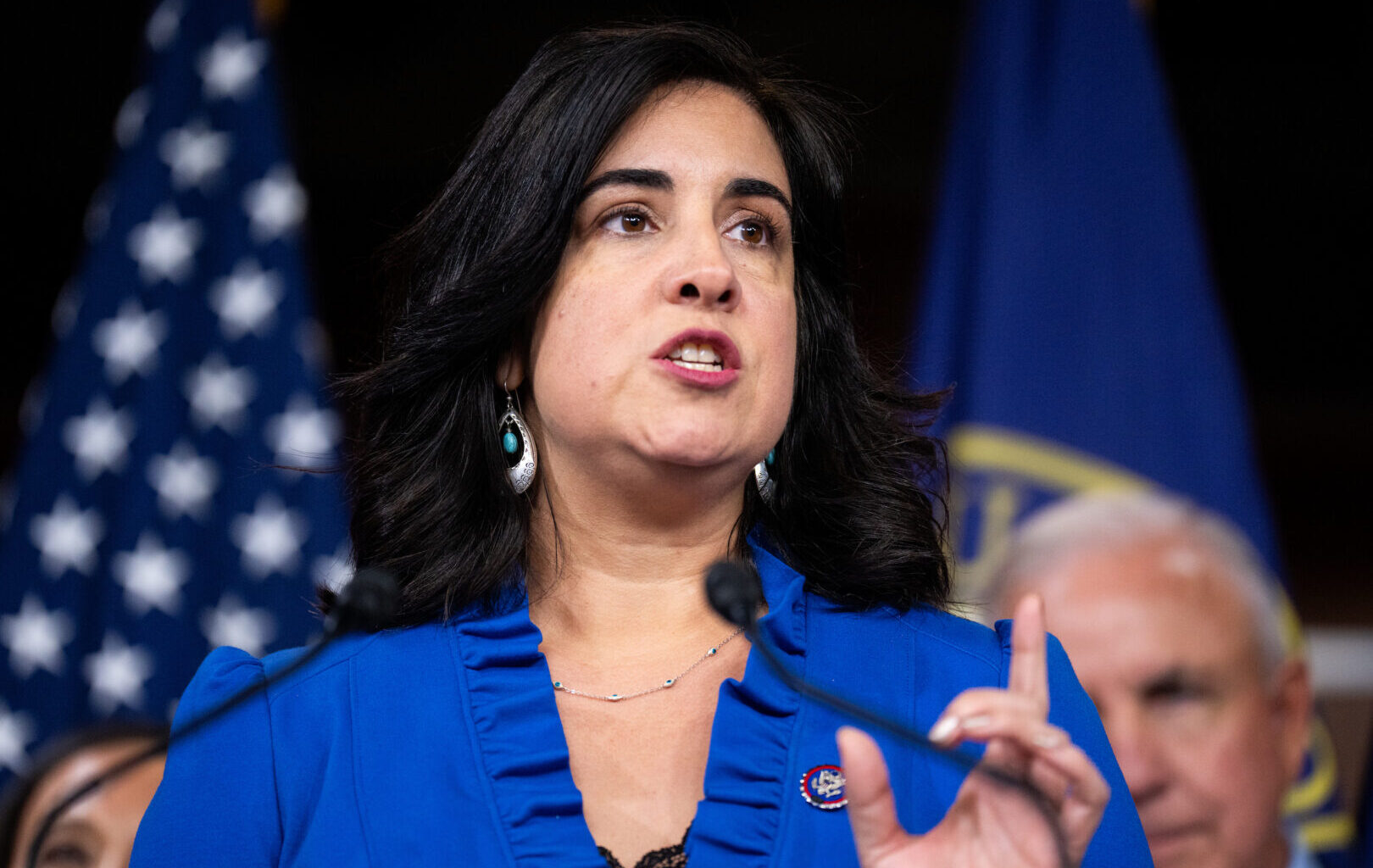
Pearlman found that the current map, which joins Staten Island with parts of Brooklyn and is represented by Republican Rep. Nicole Malliotakis, minimizes the power of minority voters on the island. Pearlman wrote that the challengers have “shown through testimony and by empirical data that the history of discrimination against minority voters in CD-11 still impacts these communities today.”
The ruling will likely be appealed. The 11th District, which includes Staten Island and parts of Brooklyn, is a solid Republican seat as currently configured. District voters backed Donald Trump by 24 points in 2024, according to calculations by Inside Elections with Nathan L. Gonzales, while Malliotakis won a third term the same year by 28 points.
The map’s challengers requested a redraw that would see the 11th District lose its Brooklyn territory while picking up parts of Lower Manhattan from the neighboring deep-blue 10th District represented by Democrat Dan Goldman. Pearlman sent the map to the state redistricting commission instead.
Malliotakis is currently the only Republican to represent a part of New York City. She was first elected to the House in 2020, unseating Democrat Max Rose.
House Minority Leader Rep. Hakeem Jeffries, who represents a Brooklyn district, was among the Democrats who praised the ruling.
“This ruling is the first step toward ensuring communities of interest remain intact from Staten Island to Lower Manhattan. The voters of New York deserve the fairest congressional map possible,” Jeffries said in a statement.
The chair of the state Republican Party, Ed Cox, said in a statement that Wednesday’s opinion was a “partisan ruling made by a partisan judge in a case brought by a notoriously partisan attorney.”
Cox also called it “shocking” that the New York government did not defend the map, which the legislature passed after a previous court ruling found the state’s first map violated a state constitutional prohibition against partisan gerrymandering.
Wednesday’s ruling is the latest court fight over the Empire State’s congressional lines since the New York Court of Appeals, the state’s top court, rejected a map drawn by the Democrat-controlled legislature in 2022.
It’s also the latest court-induced wrinkle in mid-decade redistricting ahead of this year’s midterms. Earlier this month, a three-judge court in California rejected a challenge to the state’s new voter-approved map, and last year the Supreme Court put a hold on a lower court ruling, which found Texas’ new map likely violated the Constitution.
Redistricting efforts across the country have rocked the fight for control of the House and reshaped the midterm battleground.
Republicans, who are defending a slim majority in the chamber, have gotten more favorable maps out of Texas, Missouri and North Carolina. GOP-led Florida is also poised to consider a redraw of its congressional lines this spring.
Democrats, meanwhile, have a friendlier map in California, while Virginia voters are set to weigh in on adopting new boundaries as soon as April.
Other states getting new maps ahead of the midterms include Utah and Ohio.