
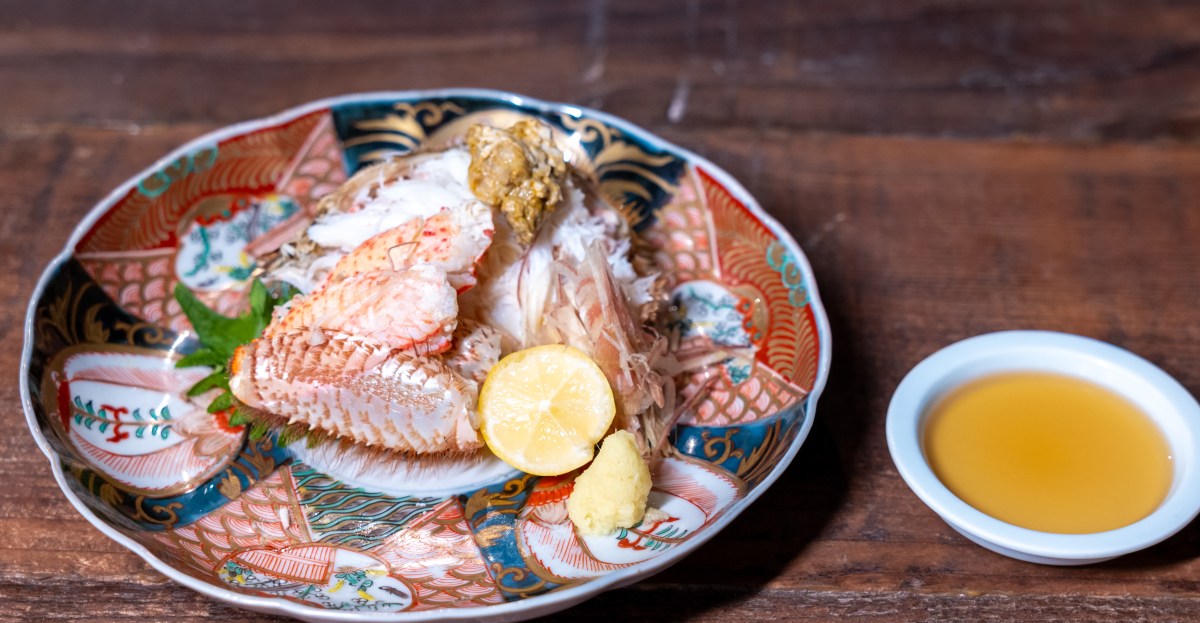
Chef Hiroki Odo, behind the namesake two-Michelin-starred restaurant, is heading back from Flatiron to where his New York career began. On Sunday, February 1, his team will open Odo East Village, a 24-seat, counter restaurant at 536 East Fifth Street, between avenues A and B, in the former home of long-running ramen shop, Minca.
The new restaurant is a homecoming and a reinvention for chef Odo. He first cooked in East Village while working at the now-closed influential vegetarian kaiseki restaurant Kajitsu on East Ninth Street. When the owners of Minca — which operated for nearly three decades — decided to retire and offered him the space, the timing clicked.
“We always loved the East Village,” Brian Saito, executive manager for Odo Hospitality, which includes Odo, the Gallery by Odo, Odo Lounge, Odo at Home (which sells items like tea and pottery used in the new restaurant), Hall, and Sushi Muse. The team will open Odo Hudson Yards later this year, which will include sushi omakase. “We decided, why not go back to where we started our business in New York?”

Usuzukuri: hirame-fluke, ponzu yoshino, shiso flower, and chives. Odo
Rather than replicate the formal, multi-hour tasting menus of traditional kaiseki, Odo East Village introduces what the team calls “kaiseki izakaya”: a fully a la carte menu that draws from the techniques, seasonality, and presentation of high-end kaiseki, but with casual ordering, sharing, and shorter visits — most regular menu items are $20 and under.
In Japan, kaiseki sits at the very top of the fine-dining hierarchy — even above sushi omakase — but Saito says the goal here is accessibility. “You can order what you like, how you like,” he says. “You don’t have to commit to a long progression.”
Among starters, there’s uni tofu, a chef’s selection of sashimi (otsukuri), bluefin toro (iwanori-ae), a wagyu hamburg steak, and a bamboo shoot steak (It’s $9 to $20 for starters and sashimi). Hot items range from beef tongue braised in red wine miso to soymilk manjú and hokkaido sea urchin with a hearty katsudashi. There’s also binchotan-grilled items (soups and grilled items are $12 to $18).
Another defining feature: The entire menu is gluten-free, without advertising itself as such. “You don’t feel like anything’s missing,” Saito says.

Chef Hiroki Odo in his namesake restaurant. Odo
Drinks at Odo East Village follow that same philosophy. Sake takes center stage, alongside rice-based shochu served on the rocks with citrus. The team is also experimenting with sake infusions, including barrel-aging and cacao nib variations. They’re still searching for a draft beer that’s truly gluten-free — a challenge given that most Japanese rice beers still contain barley.
In terms of design, the room is intimate, striking, and minimalist. Japanese designer, Shinichiro Ogata, who also designed Odo Flatiron, created the space to resemble a countryside kitchen, with copper-clad accents, charcoal grills in view, a sake-warming area, and sand-textured walls. There are 13 seats at the counter and 11 at tables.
Service will blur the line between kitchen and floor, in the Japanese tradition: chefs will cook, pour sake, and interact directly with guests, with some trained as sake specialists.
Odo East Village plans to open at 5 p.m., operating Thursday through Monday, staying open until midnight, and until 1 a.m. on Fridays and Saturdays. The team aims to serve both destination diners and post-shift hospitality workers.
For Odo, the restaurant represents the next phase of a longer mission. Eight years ago, he helped introduce kaiseki to a broader New York audience. Now, he’s reshaping it again.
“We wanted to spread the word about kaiseki,” Saito says. “Now we want to recreate it — in a new style.”

The exterior of Odo East Village. Odo