

Home » Latest Travel News » Las Vegas Joins Honolulu, Miami, Seattle, Portland, New York City, and Other Cities in Facing a Significant Decline in Tourism Across the US Due to Economic Uncertainty and Rising Costs Last Year: Everything You Need to Know
Published on
January 30, 2026

In 2025, Las Vegas joined a growing list of cities, including Honolulu, Miami, Seattle, Portland, and New York City, all facing a significant decline in tourism. This downturn across the U.S. can largely be attributed to economic uncertainty and rising costs, which have had a ripple effect on global and domestic travel patterns. While these cities have long been pillars of U.S. tourism, offering unique attractions and vibrant cultures, they are not immune to shifting travel dynamics. From Las Vegas’ 7.5% decrease in visitors to Honolulu’s slow recovery of key international markets, the tourism sector struggled to maintain momentum last year. Cities like Miami also saw a significant drop, with Latin American and European markets experiencing weaknesses, while Seattle and Portland dealt with the impact of reduced cross-border travel. New York City, known for its iconic landmarks and global appeal, faced challenges as Canadian and European tourists pulled back due to high accommodation costs. The rising costs of travel, coupled with economic instability, made many potential tourists rethink their plans, contributing to a decline in international visitors across these major destinations. As we explore these trends, we’ll dive deeper into the reasons behind this shift and what it means for the future of tourism in the U.S.
Las Vegas Tourism Decline in 2025
In 2025, Las Vegas experienced a notable decline in tourism, with 38.5 million visitors, marking a 7.5% decrease compared to 2024. This drop was particularly evident in December, where the city saw a 9.2% year-over-year decrease, with just 3.1 million visitors. The decline was influenced by shifting travel dynamics, economic uncertainty, and more cautious consumer behavior, especially among value-oriented travelers. Despite these challenges, convention activity remained a stabilizing factor, with 6.0 million convention attendees nearly matching 2024’s numbers. However, hotel performance also reflected this downturn, with hotel occupancy dropping to 80.3%, down by 3.3 percentage points, and both the average daily room rate (ADR) and revenue per available room (RevPAR) also seeing declines. While these figures represent a difficult year for tourism, Las Vegas continues to attract significant convention and event traffic, maintaining its status as one of the most popular destinations for large-scale events despite the overall decline in leisure and international visitors.
Honolulu, HI: Slow Recovery in Key International Markets
Honolulu (USA), a dream destination for many travelers, is grappling with a 3.8% decline in international air arrivals in 2025. One of the biggest challenges the city faces is the slow recovery of the Japanese and South Korean markets to pre-2019 levels, which were once significant contributors to Hawaii’s tourism. According to the Hawaii Tourism Authority, these markets have not yet bounced back to their previous strength, primarily due to ongoing travel restrictions and economic challenges in both countries. While domestic tourism remains strong, especially from the mainland U.S., the international decline poses a threat to Honolulu’s global standing as a premier vacation spot. The lack of sufficient international traffic is particularly challenging for Honolulu’s luxury resorts and businesses that rely on high-spending visitors from abroad. However, Honolulu is focusing on long-term recovery strategies, including increased marketing to international tourists and partnerships with travel agencies in key markets like Japan and South Korea. As travel conditions improve globally, Honolulu hopes to see a rebound, but 2025 may still be a difficult year for the city’s international tourism sector.
Miami, FL: Latin American and European Markets Struggling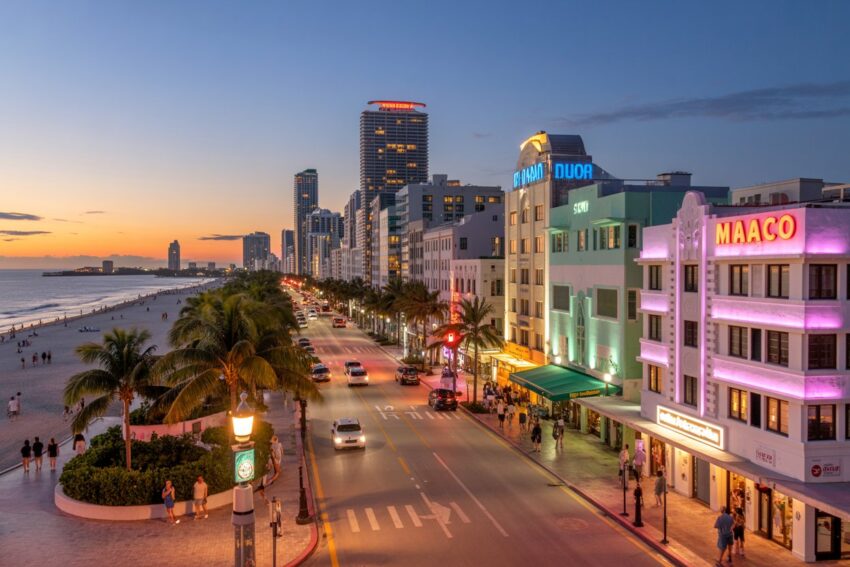
Miami (USA) is set to face a 4.5% to 10.5% drop in international summer air traffic in 2025, reflecting growing challenges in the tourism sector. According to the Miami-Dade County Office of Tourism, the decline is primarily attributed to weaknesses in the Latin American and European markets, which have traditionally been the backbone of the city’s international visitation. The economic instability in some Latin American countries, combined with cuts to airport capacity and high operational costs, has made it more difficult for international travelers to visit Miami. Additionally, the high price of lodging, coupled with rising airfares, has forced many tourists to reconsider their travel destinations. Miami’s hotels and attractions, though still drawing large crowds, are experiencing a decline in the number of overseas guests, particularly during the off-peak months. While tourism from domestic visitors is holding steady, the international market’s struggles in 2025 underscore the city’s vulnerability to global economic shifts. However, Miami remains committed to attracting visitors through major events and special promotions aimed at boosting international travel in the future.
Advertisement
Advertisement
Seattle, WA: Heavy Dependence on Canadian Market Weighs on Tourism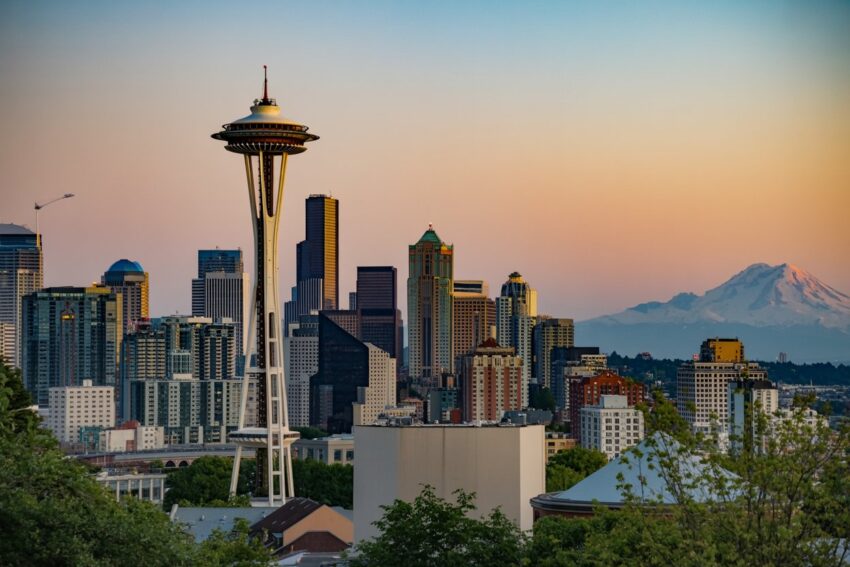
Seattle (USA) is forecasted to experience a staggering 26.9% drop in international overnight visitors in 2025, marking one of the steepest declines in the country. This sharp downturn is largely attributed to heavy reliance on the Canadian market, which has seen a significant pullback due to economic factors and reduced travel demand. The Canadian market has been a cornerstone for Seattle’s tourism, but with fewer cross-border travelers making their way south, local tourism officials are grappling with the impact. According to the Seattle Tourism Board, the weakening of the Canadian dollar and rising travel costs have deterred many Canadians from visiting, and this has led to a substantial decline in international tourists to the region. Seattle’s tourism has also faced additional challenges in the form of increased competition from other destinations vying for the attention of the North American traveler. As the city focuses on diversifying its international appeal, including strengthening ties with emerging markets, 2025 is expected to be a challenging year for Seattle’s tourism sector. However, local officials remain hopeful that a rebound in 2026 will come with new international initiatives.
Portland, OR: A Significant Decline in Cross-Border Travel
Portland (USA), a city known for its vibrant arts scene and scenic beauty, is anticipating an 18.3% drop in international visitors in 2025. According to the Portland Travel Commission, one of the key reasons for this decline is the significant reduction in cross-border travel from Canada, which has traditionally been one of the city’s most important international sources of tourism. Economic factors, including a stronger U.S. dollar and travel restrictions, have caused many Canadians to travel to alternative destinations that offer better value. Additionally, with the reduction in international flights and rising costs associated with travel, Portland is feeling the pinch of a changing tourism landscape. The city’s tourism officials are concerned, but they remain focused on boosting regional visitation and attracting international tourists from new markets. To combat the loss of Canadian visitors, the city plans to launch new marketing campaigns aimed at showcasing Portland’s unique appeal, including its thriving food scene, natural parks, and cultural events. As the tourism sector adapts to these challenges, officials are optimistic that Portland will diversify its visitor base, creating a more resilient tourism economy in the years to come.
Advertisement
Advertisement
New York City, NY: A Decline in International Visitors Amid Rising Costs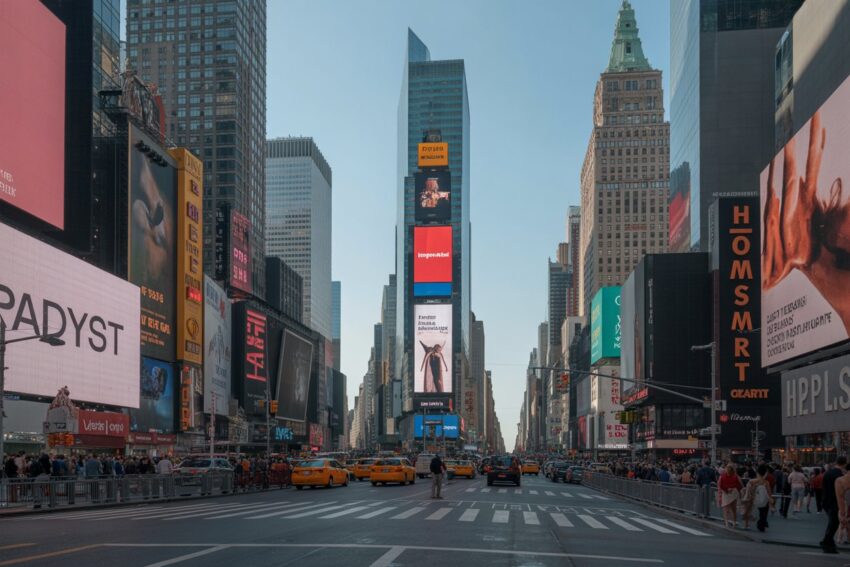
New York City (USA), often considered the epicenter of tourism, is bracing for a 3.8% decline in international air traffic in 2025, resulting in an estimated 2 million fewer tourists than in the previous year. The city’s famed attractions, Broadway shows, and culinary delights have historically drawn large crowds from around the world. However, 2025 presents a different reality, with Canadian and European travelers pulling back due to higher accommodation costs. As the most expensive destination in the U.S., New York faces a growing challenge to retain its international visitors, who are increasingly opting for more affordable travel options elsewhere. According to the New York City Department of Tourism, the high price of lodging, along with broader economic uncertainty, has forced many potential tourists to reconsider their travel plans. While the city remains a top destination for domestic visitors and offers a rich cultural experience, international tourism, particularly from Europe and Canada, will likely continue to suffer in 2025. New York’s tourism industry, however, is expected to rebound as global travel recovers and strategies are implemented to attract more visitors in the coming years.
U.S. Tourism: Navigating Challenges and Adapting to New Realities
U.S. tourism has long been a major driver of the economy, attracting millions of international and domestic visitors each year. In recent years, however, it has faced significant challenges, including economic uncertainty, rising costs, and changing travel dynamics. While destinations like New York City, Las Vegas, and Miami continue to draw large crowds, the overall tourism sector has seen a shift, with many travelers opting for more affordable and accessible locations. High accommodation costs, fluctuating airfare prices, and global economic pressures have made travel more expensive, leading to a decline in international visitors, particularly from key markets such as Europe, Latin America, and Canada. In addition, the lingering effects of the COVID-19 pandemic and ongoing geopolitical tensions have contributed to reduced travel confidence. Despite these hurdles, U.S. cities are adapting by focusing on diversification and sustainability, with a growing emphasis on attracting new markets, promoting domestic travel, and enhancing visitor experiences. The future of U.S. tourism will likely depend on the ability of destinations to balance economic challenges while continuing to offer unique and appealing experiences to a global audience.
Advertisement
Advertisement
In 2025, Las Vegas joined Honolulu, Miami, Seattle, Portland, New York City, and other cities in facing a significant decline in tourism due to economic uncertainty and rising costs, impacting travel across the U.S.
Conclusion
In conclusion, 2025 saw Las Vegas, along with Honolulu, Miami, Seattle, Portland, New York City, and other cities, facing a significant decline in tourism. This downturn can be attributed to economic uncertainty and rising costs, which have disrupted travel patterns and reduced international and domestic visitors to these popular destinations. Despite the challenges, cities are focusing on strategies to recover, including targeting new international markets and diversifying their tourism offerings. While 2025 was a tough year for U.S. tourism, these cities are resilient and poised for a potential rebound as global economic conditions stabilize and travel trends evolve.
