
Ellis Scott
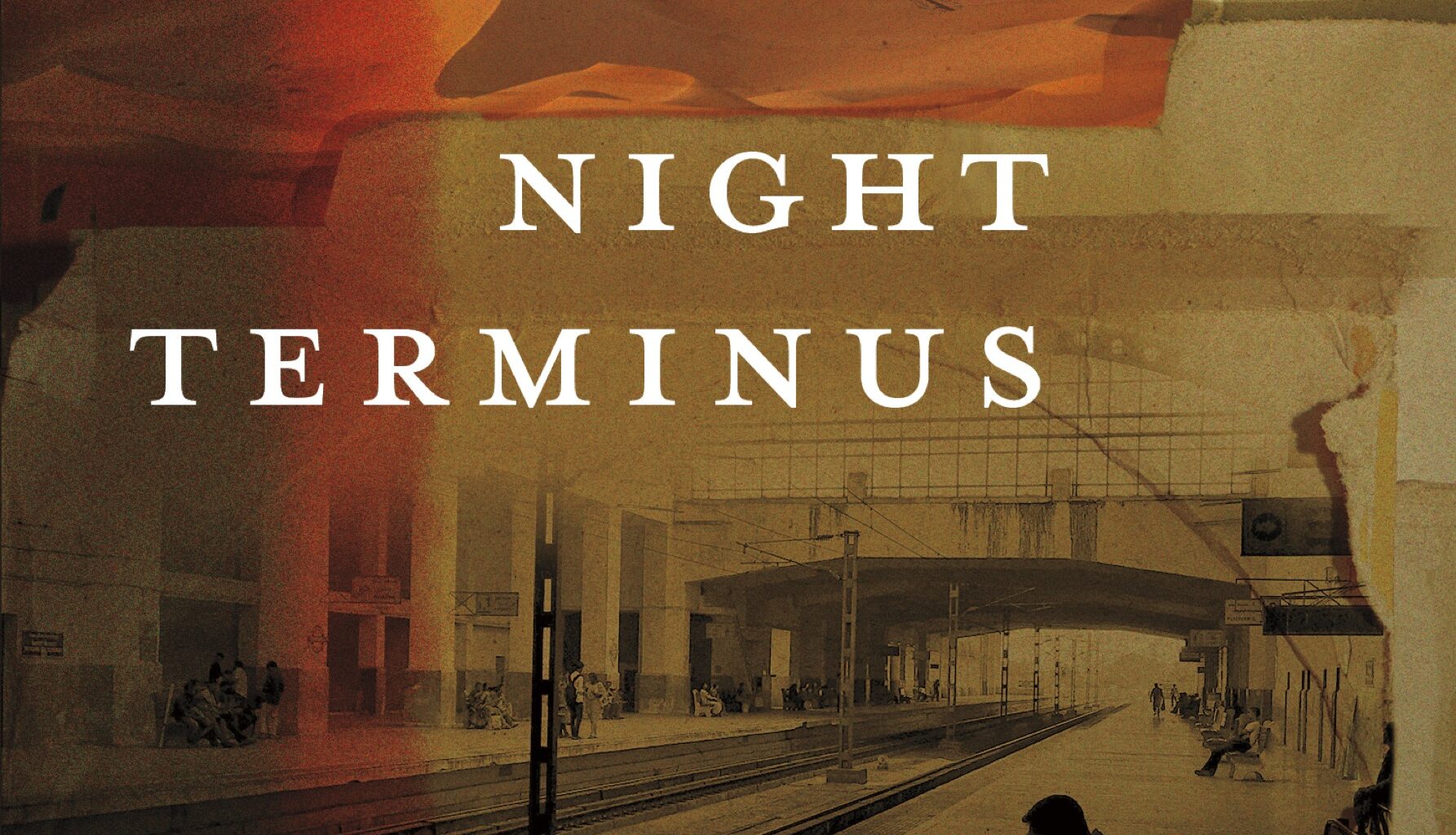
Night Terminus
Dundurn Press, 2026
Queer literature can oftentimes feel lonely. In perusing through the canon of queer stories—contemporary and classic—you’ll find no shortage of novels or short stories within isolation. Whether it be a narrow and glossy view of two people in love, a becoming narrator lost in themselves, or a microscope focused on a contained group of friends, queer storytelling tends to bend towards intimacy as felt within isolation. In some ways, this is the obvious approach. The form creates limits. You only have so much room on the page. Night Terminus, however, resists this.
Ellis Scott’s debut novel should, by all means, take after this tradition of queer solitude. The novel jumps from country to country with each new chapter—reaching across India, France, Iran, and Canada, among others. We meet new characters with the introduction of new places, diving into their stories, all while the narrator remains unnamed and largely anonymous. But despite the wandering, Night Terminus sketches a vibrant mosaic of what queer community is—revealing that it’s within diaspora that we can find home.
It’s the question at the center of Night Terminus, and our characters wrestle with it devoutly. The story takes place across a wide range of years, beginning during the onset of the AIDS epidemic and whose impact is felt in every written year that follows. Night Terminus does not shy away from the complicated impact that surviving leaves on you (especially surviving in a world that prefers that you didn’t). All of the characters in the novel are plagued by grief and the exhaustion of travel, having been rejected by the countries that they might’ve otherwise called “home.” However, the light within Scott’s novel lies within the fact that while the characters are on the move, they are not on the run. They do not seek to escape the memory of their dead lovers’ faces, but rather, they aim to find solace among the only community that might understand their loss.
“One may only bury the past for so long. It surfaces again, and one returns to that first time the shovel broke cemetery ground, when we weren’t aware of the cataclysm that, unbeknownst to anyone, had already settled on us like a fine dust.”