
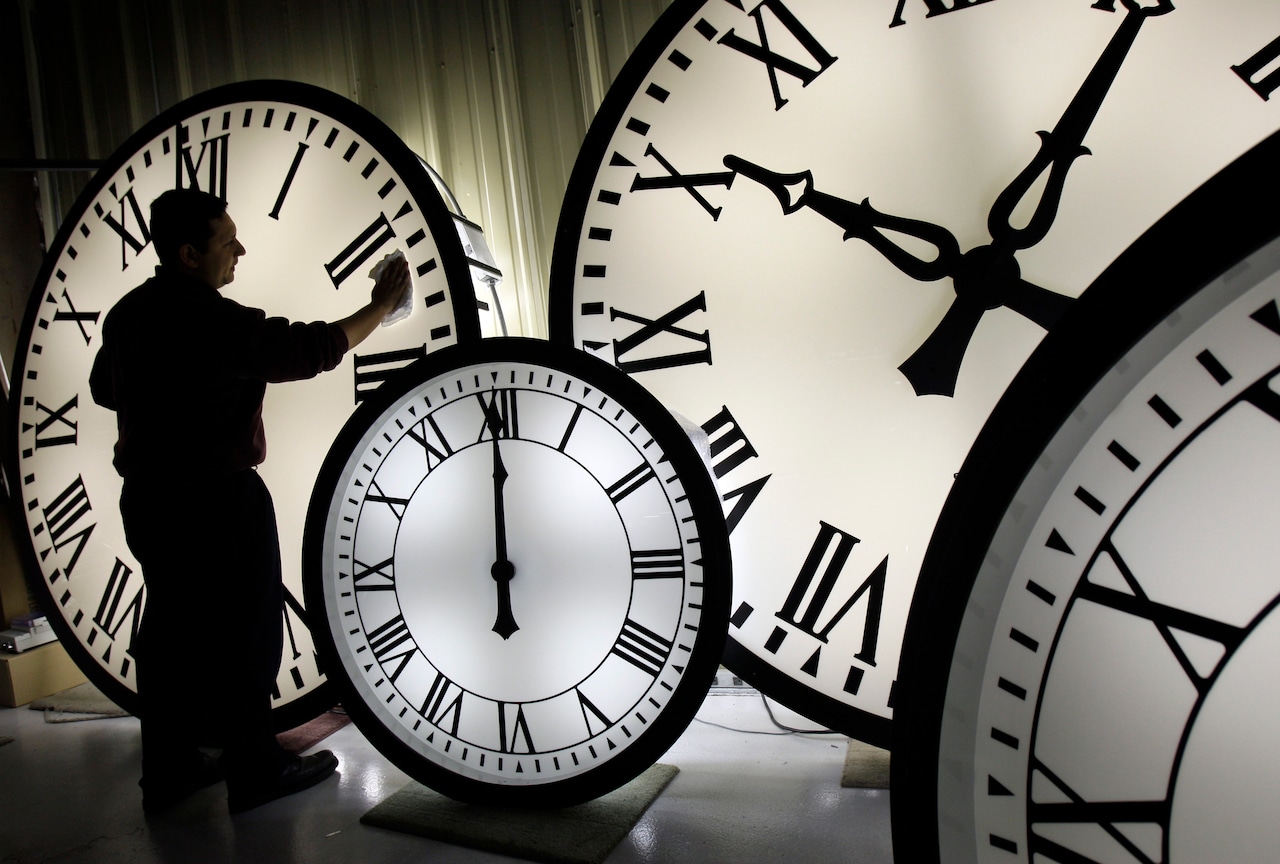
Are you ready for spring? While winter is still at its peak and Staten Island Chuck says we have at least six more weeks of cold weather to go, the start of Daylight Saving Time — the period between March and November when most Americans “spring forward” by one hour to gain more daylight in the summer evenings — is just around the corner.
The clock change takes place each year on the second Sunday of March and ends on the first Sunday in November. In 2026, we’ll spring ahead on Sunday, March 8 — the earliest possible start date for the jump.
According to The Old Farmer’s Almanac, the purpose of the clock change is to make better use of natural daylight. When clocks “fall back” to standard time, it shifts sunrise earlier — meaning brighter mornings. After the winter solstice on Dec. 21, daylight gradually increases each day, even if mornings still feel dim for a while.
And when Daylight Saving Time begins again in March, sunrise and sunset will both occur about one hour later than the day before, giving most people more evening daylight.
But those who love that extra push of evening daylight should take note: In 2026, Daylight Saving Time will end the earliest it can ever possibly end on Nov. 1, 2026.