
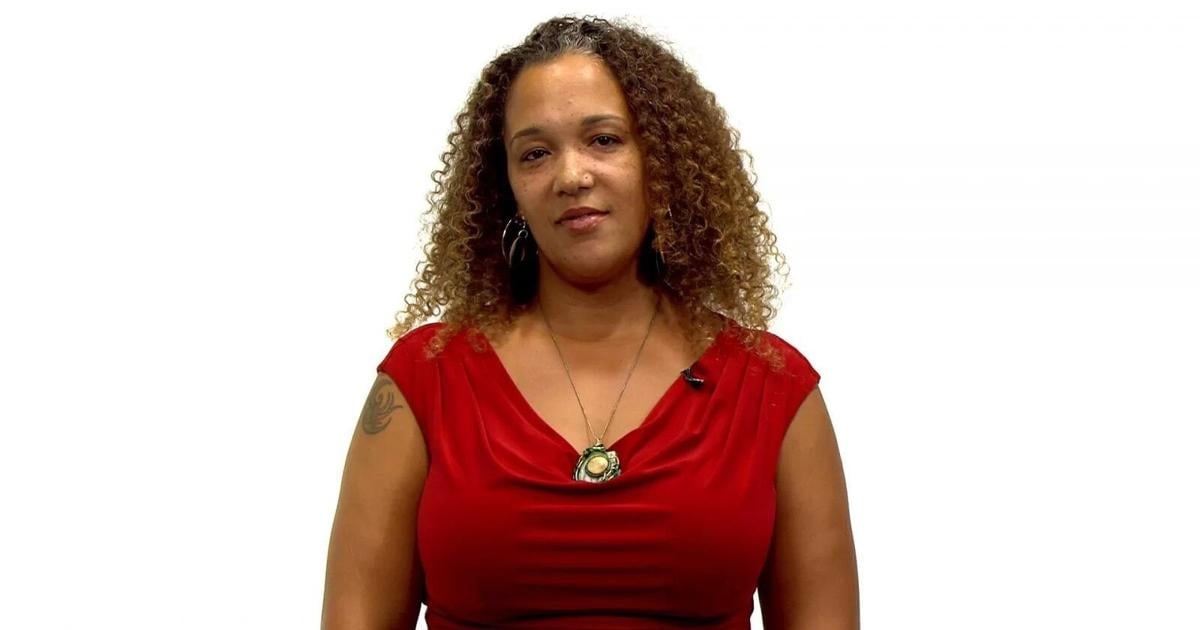
As the federal immigration enforcement operation known as Operation Metro Surge nears its conclusion, April Graves, mayor of Brooklyn Center, Minnesota, is emerging as a prominent voice for local governments navigating the aftermath of the controversial 10-week surge. Graves, who was elected mayor in 2022 after serving eight years on the city council and became Brooklyn Center’s first Black woman to hold the office, has helped shape her city’s response to the disruptions brought on by the federal deployment.
Operation Metro Surge, launched by the U.S. Department of Homeland Security in early December 2025, deployed thousands of Immigration and Customs Enforcement (ICE) and Customs and Border Protection personnel across the Minneapolis–St. Paul metro area and beyond. The federal government described the effort as the largest immigration enforcement operation in recent history, but the campaign drew sharp criticism from local officials, advocacy groups, and residents amid arrests of thousands of people, reports of detention of U.S. citizens, and two fatal shootings linked to federal agents.
In a joint statement released on February 12, 2026, by the Cities for Safe and Stable Communities coalition, local leaders including Graves welcomed the announcement byTrump appointee Tom Homan that the surge would end in the coming weeks. The coalition described the withdrawal or redeployment of federal officers as a much-needed de-escalation that communities had urgently requested.
For Graves and other coalition members, the focus now turns to recovery. The statement noted that the surge imposed “tangible financial and social costs” on cities, including budget strain, disruptions to schools, forced business closures, and widespread economic uncertainty. Coalition leaders said they will prioritize economic recovery, rebuilding public confidence, and restoring trust between residents and government institutions.
In her quoted remarks, Graves emphasized that residents “deserve to feel safe not only in their homes, but in their daily lives — at school, at work, and in their neighborhoods,” and acknowledged that the past weeks had caused “real disruption for many families.” She framed collaborative, coordinated public safety grounded in respect for all community members as essential to moving forward.
The coalition’s statement also emphasized that effective public safety depends on trust between residents and local institutions, and called for federal agencies to uphold constitutional rights and due-process standards as local law enforcement continues to address challenges left in the surge’s wake.
Graves’s role in the coalition reflects her broader leadership priorities in Brooklyn Center, where she has advocated for community engagement and inclusive policy forming. Since taking office in January 2023, she has worked on strengthening city governance, supporting equity initiatives, and promoting public safety reforms.
As coalition cities assess the full impact of the surge, they are preparing to advocate for policy changes, relief funding, and mechanisms aimed at helping local jurisdictions recover. The coalition has extended an invitation to other affected cities across the region to join in a unified effort to ensure that recovery respects local autonomy and restores stability for families, workers, and business owners alike.