
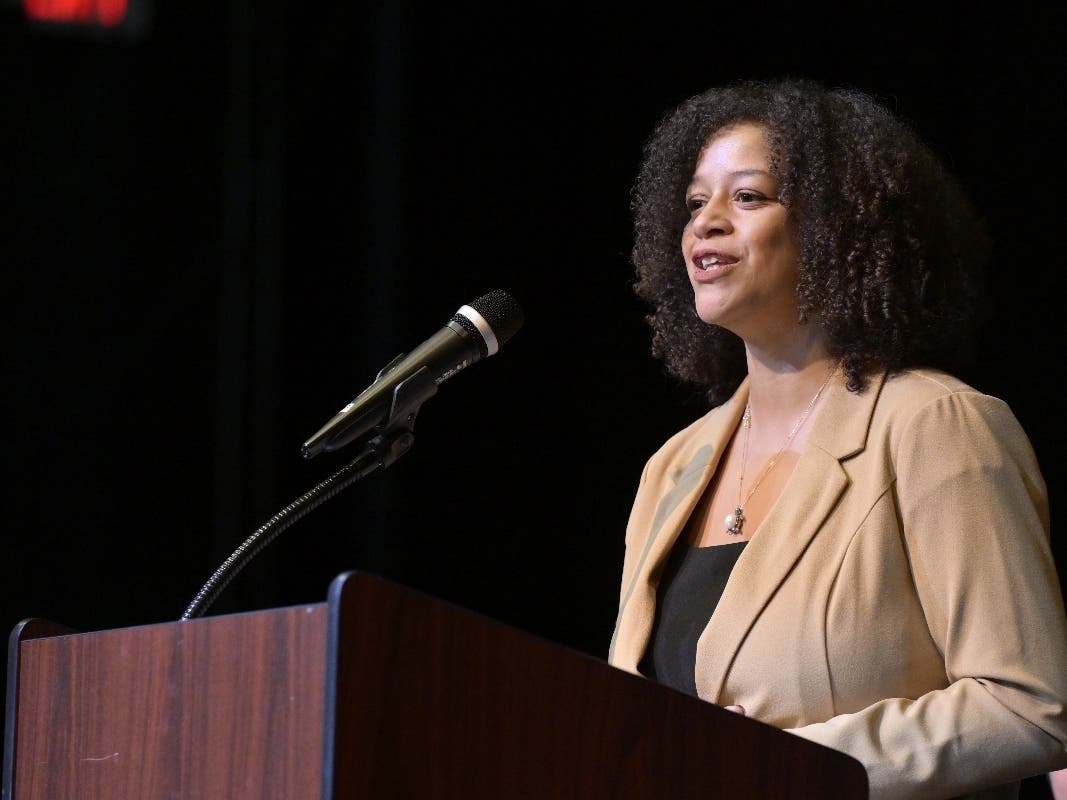
NEW YORK, NY — Michaelle Solages, New York State Assembly Deputy Majority Leader representing District 22 on Long Island, warned state officials that emergency medical services are buckling under rising costs, staffing shortages and long response times across New York, pressing city leaders on wage disparities that she said are driving workers out of New York City.
“Local governments like Nassau County are facing the same fiscal pressures and service demands that dominate conversations about New York City,” Solages told Patch. “Rising costs, workforce shortages, and infrastructure needs are straining emergency medical services across the region, not just within the five boroughs.”
She pointed to the Fire Department of New York’s annual call volume: roughly 2 million calls, about 1.6 million of them medical emergencies, and said starting emergency medical technicians earn less than $40,000 in the nation’s most expensive city.
Find out what’s happening in New York Cityfor free with the latest updates from Patch.
After five years, she said, they make about $59,000.
“A significant number of those people are Black, Latino immigrants. They’re first generation New Yorkers,” Solages said at a state joint budget hearing last week.
Find out what’s happening in New York Cityfor free with the latest updates from Patch.
She said many leave for Nassau County and other regions where pay can exceed $140,000, creating attrition and higher costs for the city.
From a local government perspective, she said, the wage gap creates “a fiscal problem.”
Mayor Zohran Mamdani acknowledged the strain and said he met with unions representing EMS workers over the past year.
“I have a true gratitude for the work that they do,” Mamdani said, noting that EMS crews worked extended shifts during recent “code blue” cold-weather conditions that began Jan. 19 and ended early last week. “They’ve gone above and beyond to save New Yorkers’ lives.”
He said making the job sustainable will remain a focus of his administration.
Deputy Mayor Dean Fuleihan said EMS workers have been without a contract for three years and called resolving it “a top priority.”
Fuleihan noted that the current FDNY commissioner previously served as an EMT and raises the issue daily.
Solages said the City Council has allocated $15 million toward wage parity and urged a “substantial investment,” adding that some EMTs face assaults on the job and struggle with housing affordability.
“Some of them are living in their car, homeless,” she said.
Solages cited projections showing a balanced fiscal year 2026 budget under the previous administration but a gap approaching $5 billion in fiscal year 2027. She noted city and state comptrollers project widening gaps in the years ahead.
Mamdani said his administration expected fiscal challenges, but not at the scale identified by fiscal monitors.
“We’re talking about a deficit that actually dwarfs the deficit we saw during the Great Recession,” he said.
City officials cited six major unfunded needs in fiscal year 2025, including cash assistance, shelter, CityFHEPS rental assistance, Metropolitan Transportation Authority obligations, Department of Education due process cases and judgments and claims.
Officials said those costs totaled about $8 billion in fiscal year 2025, while $5.7 billion was budgeted for fiscal year 2026.
When growth projections and the requirement to balance two fiscal years were factored in, officials said the gap exceeded $8 billion and aligned with outside estimates approaching $12 billion.
The administration has since revised the projected gap to about $7 billion, and has decreased after a state contribution of $1.5 billion.
Budget officials also requested mandated relief from the state, citing cost shifts in Temporary Assistance for Needy Families funding, Article 6 public health reimbursements and transit contributions to the MTA.
“Nassau County is home to a diverse population and is a critical contributor to the state’s economy,” Solages told Patch. “This should not be treated as a competition between city and suburban needs. A strong, reliable EMS system supports the entire metropolitan region, and the state budget must reflect how interconnected our communities truly are.”
Get more local news delivered straight to your inbox. Sign up for free Patch newsletters and alerts.