
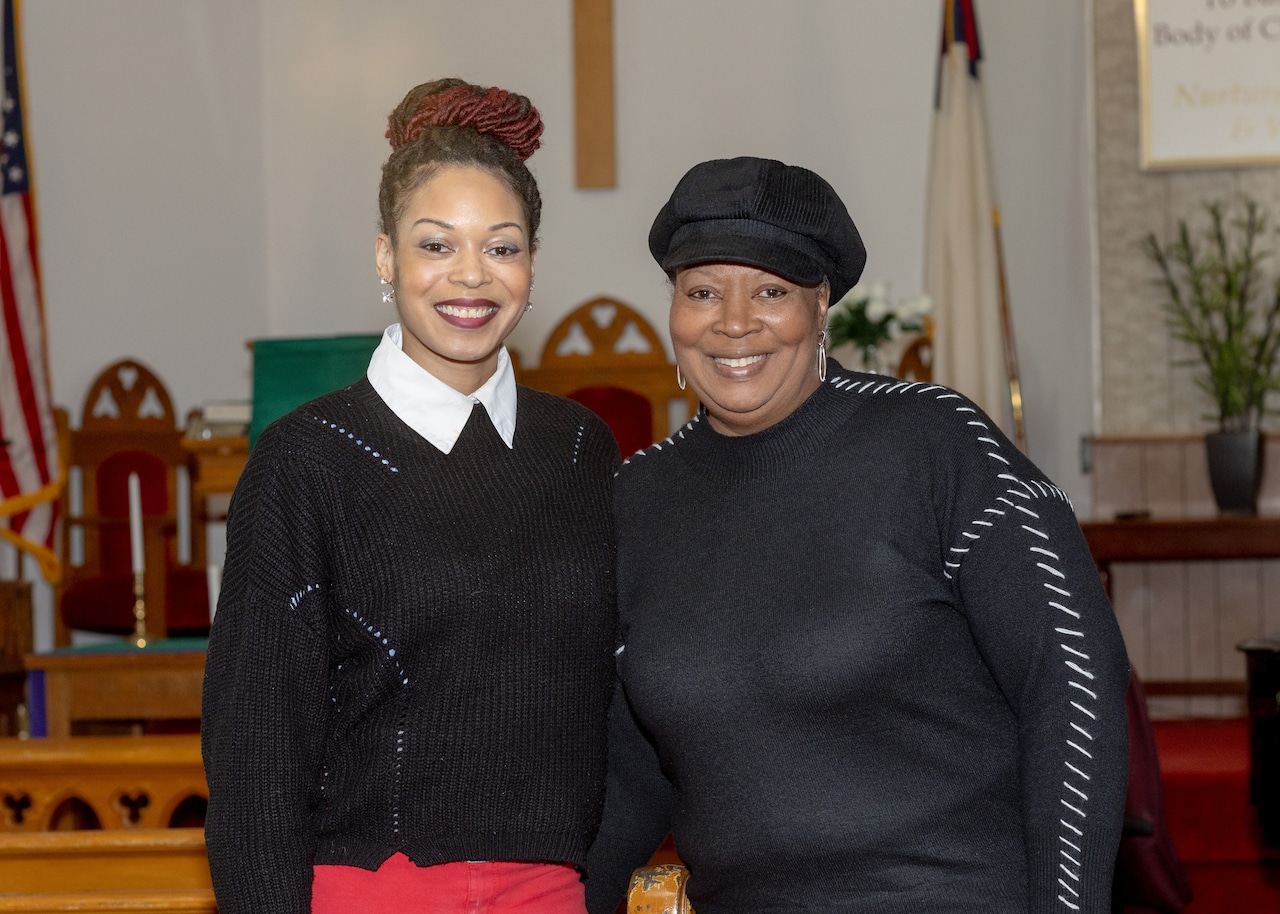
STATEN ISLAND, N.Y. — Noelle Jordan fondly remembers the tiny candies lovingly hidden for her in the organ bench at the Rossville AME Zion Church.
Her mother, Yvette Taylor-Jordan, recalls the empowerment she felt within its walls when society tried to knock her down decades earlier.
The historic building at 584 Bloomingdale Rd. represents a resilience woven into America’s history, they say, but it’s more than a page in a textbook or a city landmark designation.
“It’s home,” says Taylor-Jordan. “And I think so many of us feel that way. This is where I go; this is where I live; this is where my extended family congregates and I’m a part of that … that’s just what we do.”
Her daughter says the church was the center of her youth.
“I’m the only child of an only child of an only child, so me having my Rossville and my Sandy Ground family … I never felt like an only child,’’ she said. ”It was home.”
A great aunt, Augusta Mosley or “Aunt Gus” was the church organist she remembers fondly. “And my grandmother, Yvonne Taylor, was the pianist.” Aunt Gus was the candy source.
And something good was always going on after Sunday School and services.
“There would always be food or an event or something,’’ Taylor-Jordan recalls.
Founded in 1849 by Virginia-born minister William H. Pitt, the place of worship became a critical stop on the Underground Railroad and was known as the “Freedom Church” because of its role in the abolitionist movement.
In post-Civil-War years, the structure that replaced it in 1897 continued to thrive as a nurturing place of worship for a community of Black American farmers and oystermen from Snow Hill, Maryland, making a living from the abundant oyster beds of the Raritan Bay.
The businessmen owned land and prospered when much of the country denied them that opportunity.
Today, it is still “a path of least resistance‚’’ says Jordan, 37, a graduate of Howard University in Washington, D.C., who has a successful career in lighting entertainment. “We are all the result of silent prayers.”
The community nurtured nine generations of Jordan’s free descendants, who were born or lived in the community, she says proudly. It is recognized as the nation’s oldest free Black settlement still inhabited by descendants.
A small membership of about 35 worships today under the leadership of the Rev. Charles Washington and welcomes others — much as has been done since the church was founded in 1849.
Worshippers also tune in via Zoom from other cities and states, life having drawn them from Staten Island.
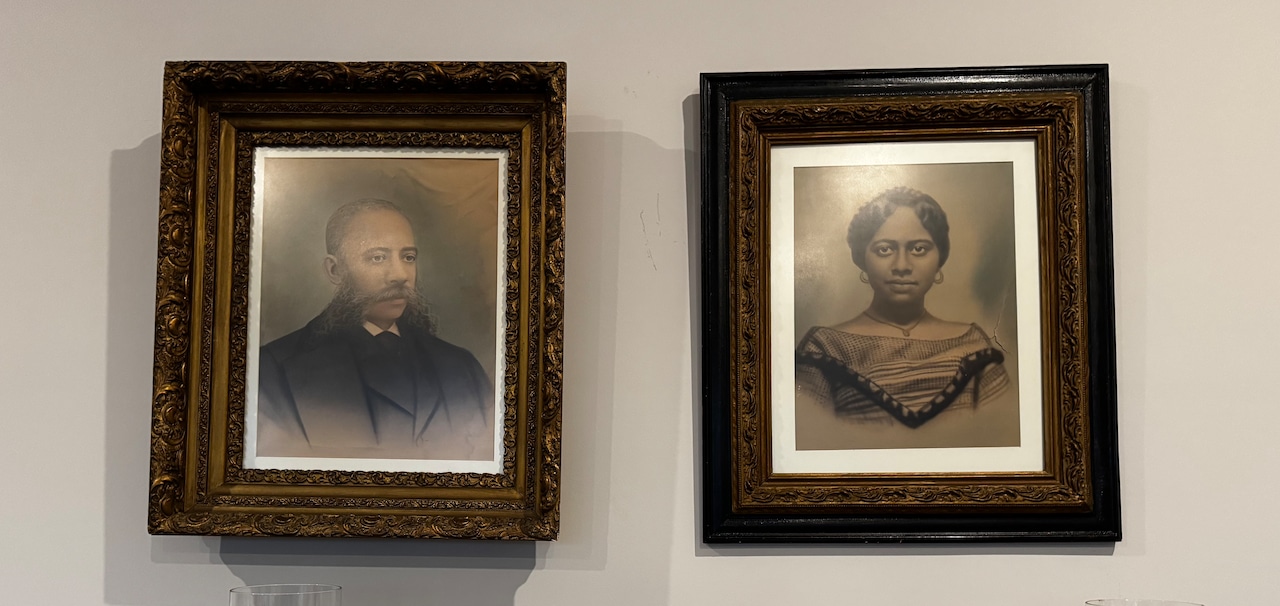 Family photos show Yvette Taylor-Jordan’s ancestors, Steven and Rebecca Gray. Their daughter, Rebecca Gray Landin, owned a boarding house 1482 Woodrow Rd., which still stands today. Taylor-Jordan would like to see it restored. (Courtesy of Yvette Taylor-Jordan)(Courtesy of Yvette Taylor-Jordan)‘It shows hope’
But it is more than a sanctuary and an altar, the two women say.
“It shows hope,” says Jordan. ”It’s a finish line from the horrible and a starting point to a better future. For me, I can say, in my life now, I’ve been kind of similar.”
Despite a career that has taken her around the world and back, Jordan still says she considers the church and Sandy Ground community her anchor.
She wants future generations to know of its place in history.
In the newly refurbished basement of the sanctuary, the two women recently joined other descendants of Sandy Ground to tell the Advance/SILive.com Editorial Board that it’s not just the landmarked structures, like the Rossville AME Zion Church and surviving homes of the community that tell the story of Sandy Ground – it’s the many generations of proud residents whose success they attribute to the church and its history.
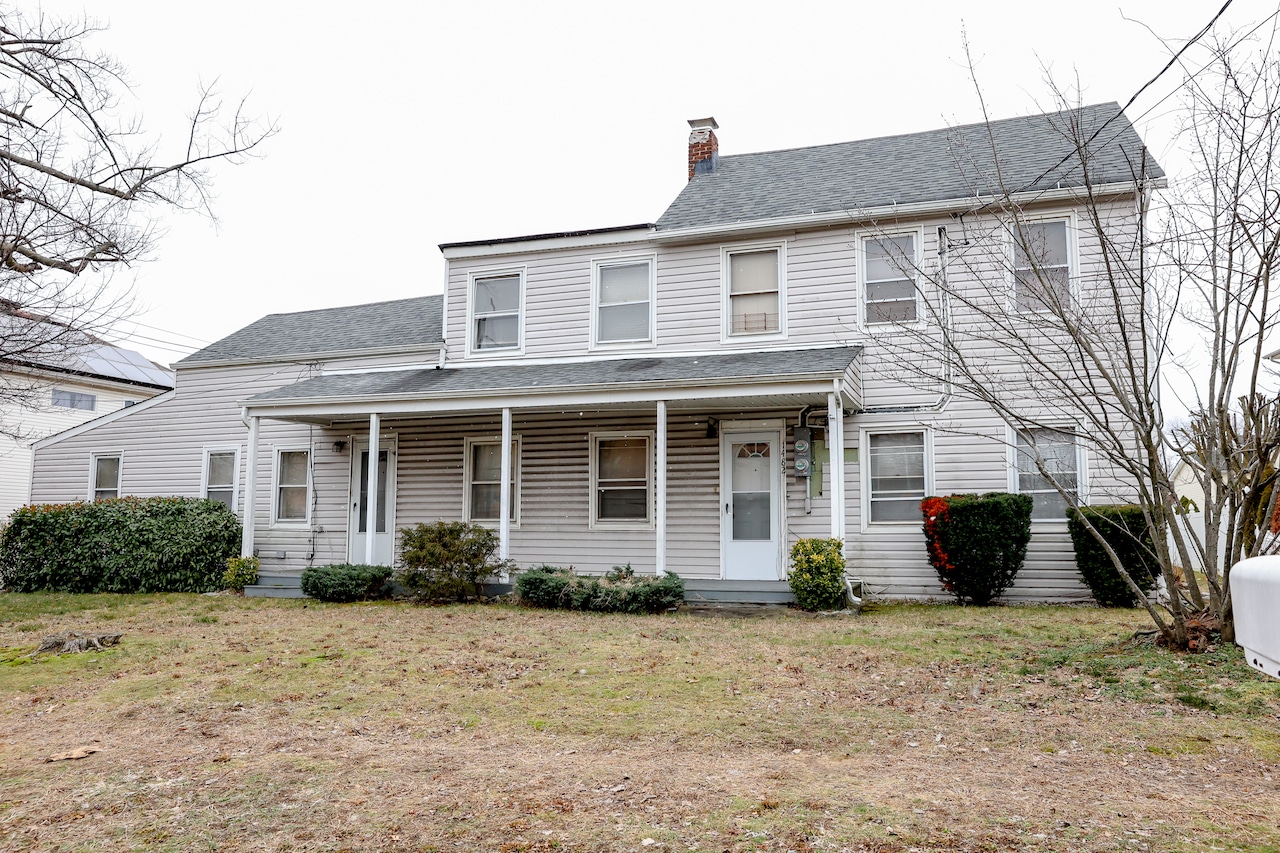 The Rev. Isaac Coleman and Rebecca Gray Coleman home at 1482 Woodrow Rd. as it stands today in 2023.(Staten Island Advance/Jason Paderon)
Jordan is the third generation in her family to earn a college degree, she says proudly. Her mother taught history for the Newark Board of Education for 18 years, served the administration of New York City Mayor David Dinkins as a policy analyst and consulted in South Africa after the fall of Apartheid.
”I’m sure where we are now and how far we’ve come is beyond my ancestors’ wildest dreams‚’’ Jordan says.
The sanctuary remains largely unchanged since Jordan first attended services with her mother, long before she became aware of the generations that came before her.
“Growing up, I didn’t realize what a rarity my family and Sandy Ground was‚’’ she said.
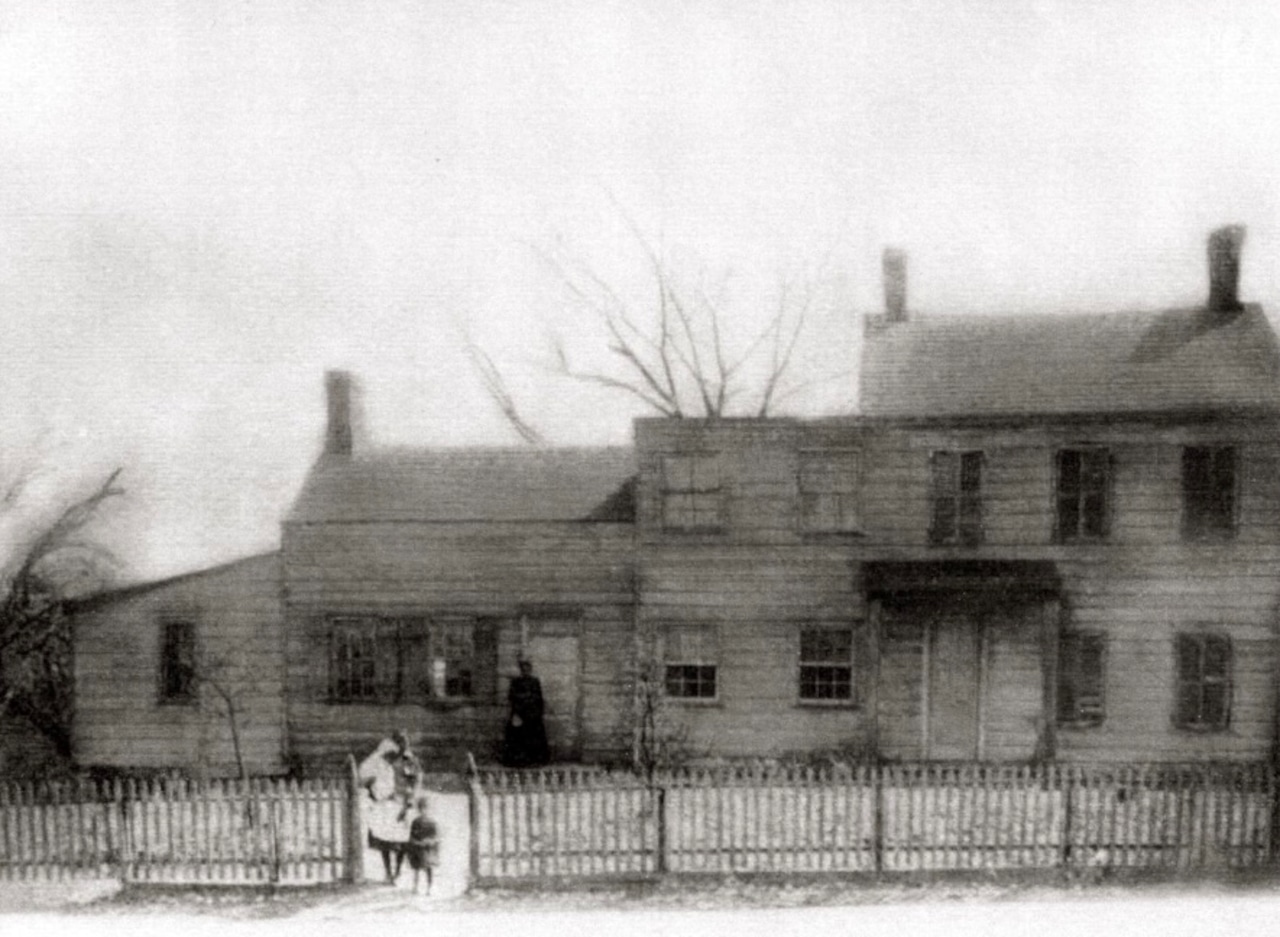 Built before 1859, the Rev. Isaac Coleman and Rebecca Gray Coleman home at 1482 Woodrow Rd. Is a vernacular frame structure that was granted landmark status by the city in 2011. (Photo courtesy Sandy Ground)
It wasn’t until a high school friend was blown away by the number of family photos on the piano that she realized what a blessing it was. ”She was like, ‘Wow, I can only go back to my grandparents,’“ Jordan recalls.
Both Jordan and Taylor-Jordan recall childhoods centered around religious services, Sunday School, lively community gatherings and camaraderie. Though both women currently live in Delaware, they remain active members of the church and consider its members their family. Taylor-Jordan is chair of its board of trustees and Jordan is a member of the church’s tech team.
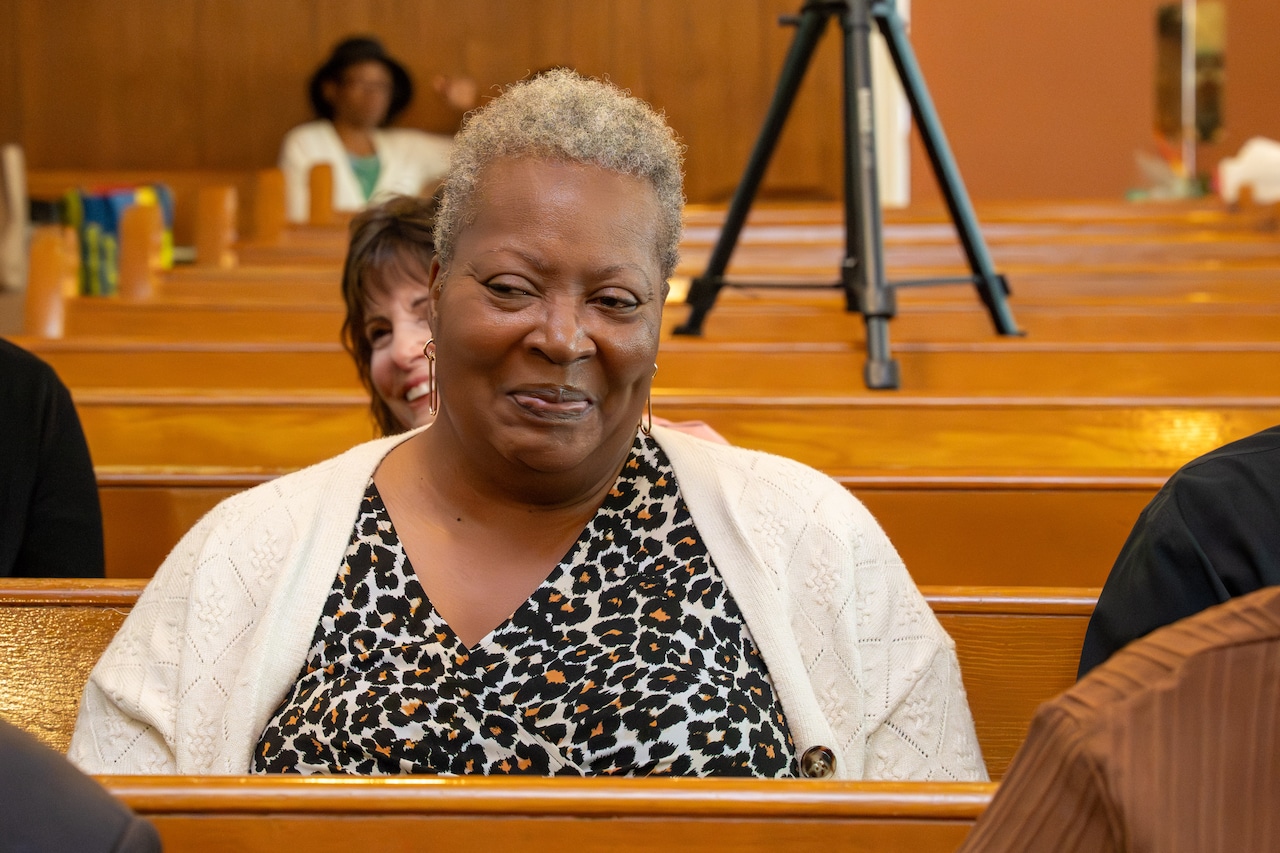 Yvette Taylor Jordan is shown in Rossville A.M.E. Zion Church on Sunday, Sept. 14, 2025.(Owen Reiter for the Advance/SILive.com)
Other Sandy Ground properties, too, hold treasured memories, Taylor-Jordan said.
Her great-grandparents’ mid‑19th‑century vernacular frame home at 1482 Woodrow Rd., now a New York City landmark, entered their lineage through her ancestor Rebecca Gray, who first married Rev. Isaac Coleman and later, after his death, married Robert Landin. Her great grandmother—also named Rebecca, known as Rebecca Gray Landin— lived in the house for decades. The home later became a rooming house in the mid-1800s.
Dubbed the Reverend Isaac Coleman and Rebecca Gray Coleman House by the city Landmarks Commission, it is believed to be one of the oldest surviving structures of Sandy Ground.
It was in that house that Taylor-Jordan was introduced to Rossville AME Zion Church, where she continued to worship despite the family’s move to Eltingville when she was 4 years old.
“People would really gravitate there and they had a way of expressing themselves, unlike in other areas‚’’ she said, using the racism she experienced in Eltingville as an example. She was the only Black person in her class from kindergarten through 12th grade during the height of the Civil Rights Movement.
”I had a wonderful childhood,” she stresses, noting that there were still subtle signs of racism despite having many white friends and great relationships while growing up.
“I was still chased home from PS 55,’’ she recalls. ”Someone wanted my lunch money. I didn’t give it up. There were rats left on my sidewalk. Two dead rats. I remember that so vividly.”
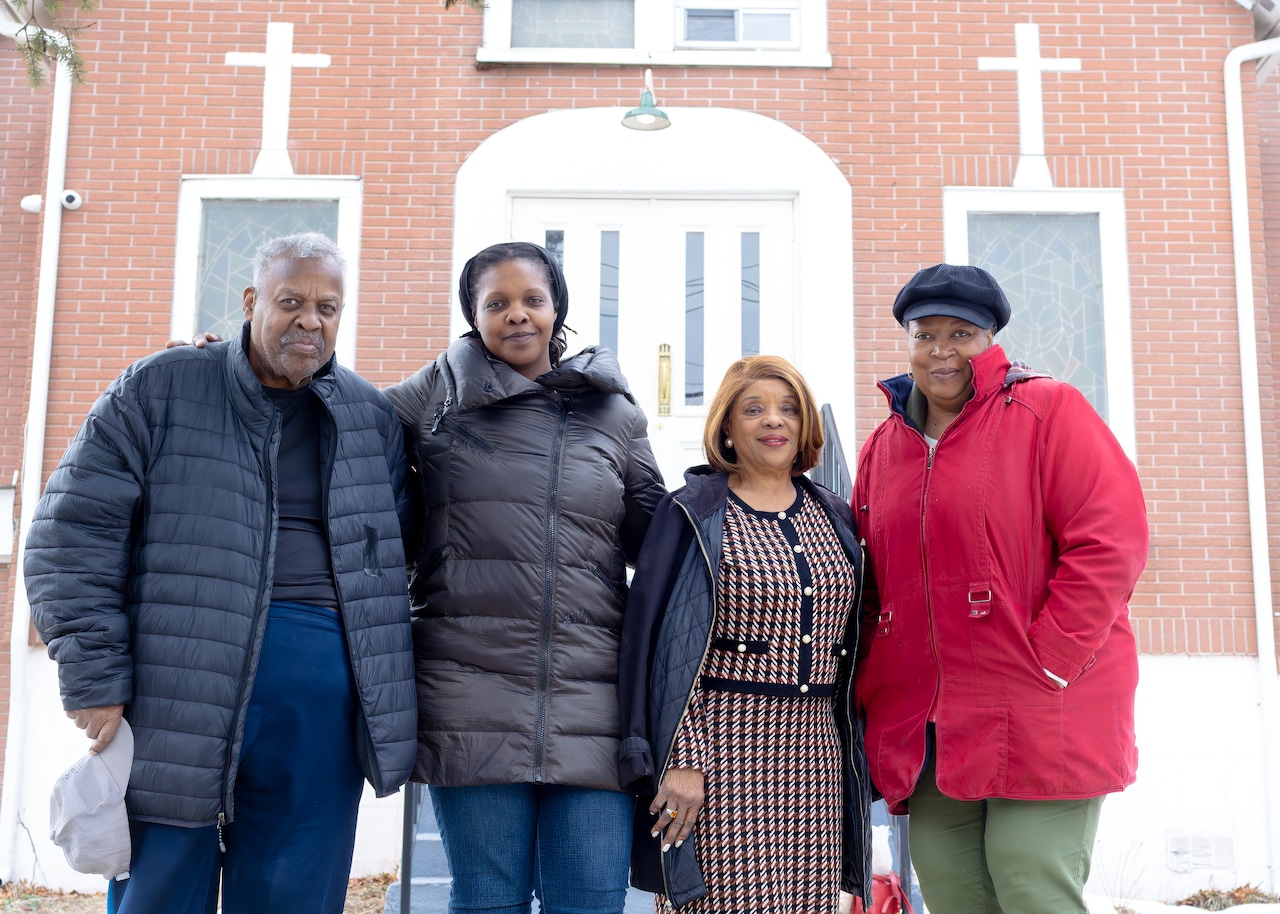 From left to right, Jerome Moody, Janise LaBoard-Casimir, Lucille Herring and Yvette Taylor-Jordan stand in front of their beloved Rossville AME Zion Church in historic Sandy Ground on Thursday, Feb. 19, 2026.(Advance/SILive.com |Jason Paderon)The hub of the community
At the church, though, it was different.
“Like so many other African American towns or churches, the church is the hub‚’’ she said. ”Because we didn’t have so much power in the community, you got your power in church.”
Power and respect came in the form of positions held within the church, she said.
”You got your affirmation as a community in church‚’’ she said. “You learn about not only your religion, but the importance of you as an African American person. For kids, that’s important.”
The church was a beacon in the community for so many decades, she said.
The church facade was designated a New York City landmark in 2011, while the community landed on the National Register of Historic Places in September 1982. Its nearby cemetery also bears city landmark status, though it shows signs of vandalism of late and is in need of a fence repair.
Across the street from the church sit two tiny landmarked homes dubbed the Baymen’s Houses, which were owned by oyster bay workers and their families in the 1800s. Today they are uninhabitable.
Today, Jordan, Taylor-Jordan and a group that was traditionally focused on worship is now stepping up to make preservation of this historic community their main focus. Though the group has yet to formally apply for grants or appeal for funding to preserve the landmarked structures, the wheels have begun turning, they say.
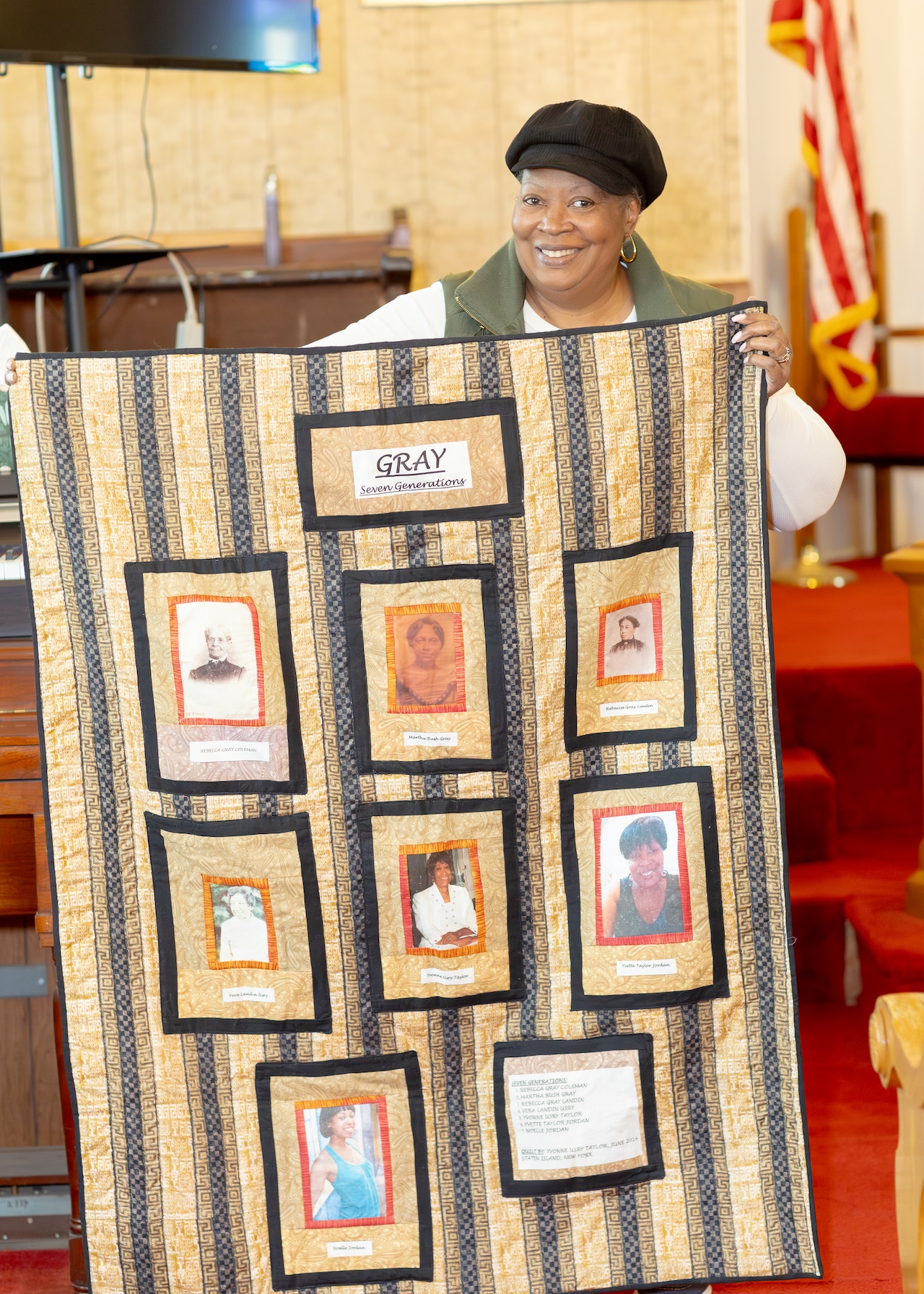 Yvette Taylor-Jordan proudly displays a quilt depicting her family lineage at the Rossville AME Zion Church on Thursday, Feb. 19, 2026.(Advance/SILive.com | Jason Paderon)
The present day church building still maintains its vernacular frame structure from fenestration window pattern and gabled porch, but was reclad at some point in time with faux brick siding.
Jordan showed the Advance/SILive.com a historic family quilt, passed down from her great-grandmother. The red and yellowed-white quilt once hung on the outside of church, a symbol to escaping slaves searching for a safe refuge during their journey north to a new, free life before the Civil War.
“The formation, the pattern is very significant‚’’ Jordan said. ”The flying eagle formation signified a safe place for rest. It would hang outside of the church in this orientation with the eagles facing down, indicating that this church was a safe place to rest.”
If the story of Sandy Ground, including the painful memories of slavery, doesn’t teach you anything, it teaches resilience, she said.
”It’s woven into the fabric of the country,” she said. “It’s woven into the fabric of the state. It’s part of American history.”
How to help
If you would like to help the members of Rossville AME Zion Church with their fundraising efforts that will benefit repair of the landmarked structures in the community, visit: rossvilleamezionny.org/giving.