
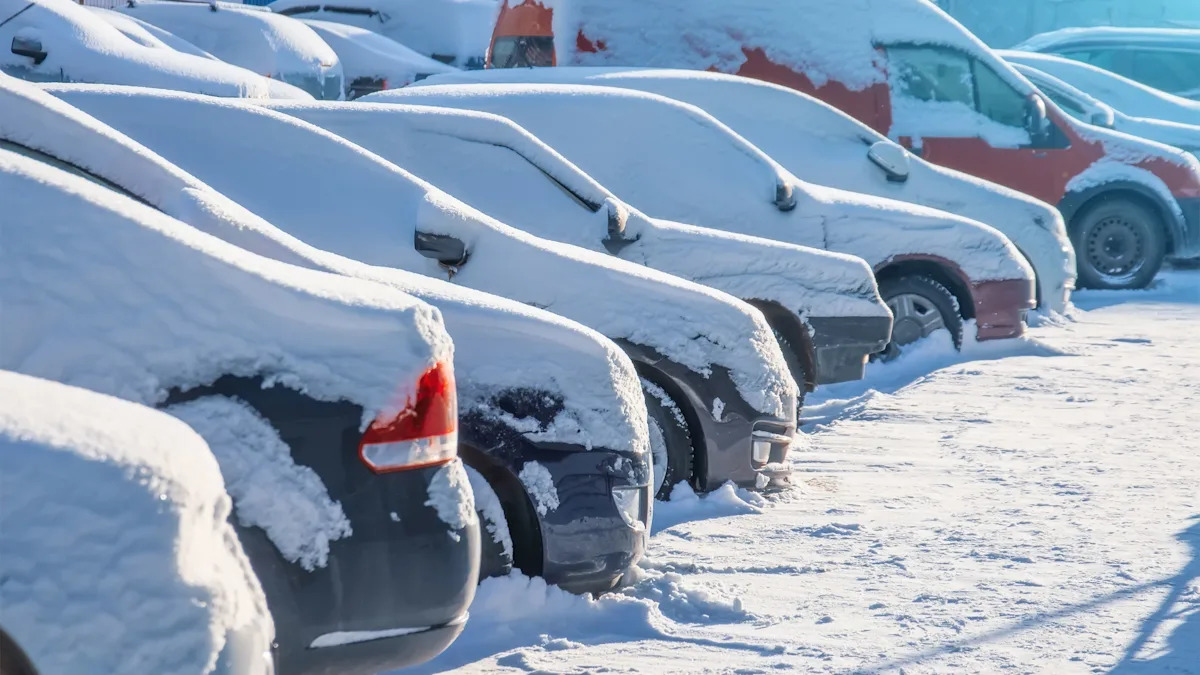
Winter in Brooklyn can turn even the most ordinary street parking into a battlefield. Between snowed-in cars, suspended parking rules, and neighbors with very specific plans, it’s easy for tensions to flare. One Reddit user recently shared their story of a stubborn neighbor and the confusing unwritten rules of parking during a snowstorm. The situation has sparked an online discussion about what’s expected and what crosses the line when city streets become temporary snow mazes.
Image credit: FrozenTesla via YouTube
The story
The original poster explained that after a recent storm, street parking rules in Brooklyn were suspended for three weeks. Wanting to be prepared, OP paid a teenager to dig out their car. On Friday night, ready for a dinner outing, they found a note on their windshield from a neighbor parked in front. The note requested OP text him when they moved the car, apparently so he could reverse into OP’s cleared spot and free his own snowed-in space without shoveling.
OP’s plan to move the car was thwarted. The battery had died after sitting in the cold, and the portable jump-starter wasn’t charged. By the time OP could attempt to move the car on Sunday morning, the neighbor was outside, visibly annoyed, confronting OP about not texting earlier and asking intrusive questions about where they lived. OP felt the neighbor’s expectations were unreasonable and invasive, especially since the car literally couldn’t move, and the note itself requested contact “when the car is moved”, not beforehand.
In short, OP believed they did nothing wrong, but the encounter left them wondering whether there’s an unwritten code of snow etiquette in Brooklyn streets.
Reactions
Redditors were quick to weigh in, mostly siding with OP. One user commented, “He’s just mad, lol. He’s lazy and grumpy. Snow does that to people.” This reaction reflects a common sentiment: winter weather magnifies both frustration and entitlement. A snowstorm can make even minor neighborhood interactions tense, especially when personal convenience is at stake.
Image credit: Shutterstock
Another added, “Exactly!!! If his car was dead, there was nothing to communicate beyond ‘it’s not moving.’ OP doesn’t owe a stranger play-by-play updates on their vehicle issues.” The comment underscores that OP had no obligation to inform the neighbor of circumstances beyond their control, particularly when the instructions were conditional (“when the car moves”).
Then there was the commenter who noted, “It’s not weird to find a dead car battery in winter…No, you didn’t need to contact him to update him.” Winter car problems are normal, and expecting constant communication crosses a line.
Others questioned the neighbor’s logic, “They expected him to park over OP’s labor, leaving them worse off. Why would anyone agree to that?” This observation puts the neighbor’s request in perspective. It was less a question of etiquette and more about exploiting someone else’s effort.
Brooklyn snow etiquette and street parking reality
Brooklyn streets are notorious for limited parking and strict enforcement. Residents of cities familiar with snowstorms know that cleared spots can quickly become a point of contention, and many follow a mix of formal rules and informal “snow etiquette.” The general consensus? Clearing your own spot earns you a kind of temporary ownership. Expecting neighbors to move cars at the snap of a finger or benefit from your shovelling without reciprocation isn’t part of the accepted code.
City winters demand patience and negotiation. Neighbors often clash over parking because of perceived fairness and resource competition, in this case, the time and effort spent digging out a car. Most of us don’t think about the type of neighbor we are or how it represents us in the community. Communication is encouraged, but there’s no obligation to prioritize another resident’s convenience over your own practical limitations.
Takeaway
Arguments over parking spots are nothing new. This Brooklyn parking saga shows just how messy snow season can get. OP did everything reasonable. Paying to clear their spot, attempting to move the car, and addressing the neighbor politely when confronted. The neighbor’s expectations were intrusive, unrealistic, and arguably entitled.
Boundaries matter when living inside city limits. Being polite doesn’t mean sacrificing your own time, labor, or peace of mind. It’s okay to set limits, even in shared spaces. While snow may test patience and civic courtesy, it doesn’t justify unreasonable demands or aggression.
Ultimately, this incident is a reminder of the importance of neighbourly negotiation. Dead batteries, frozen cars, and irritated neighbours are part of the urban winter experience, but common sense and basic respect usually solve issues. OP’s choice to prioritise their own responsibilities while remaining courteous aligns perfectly with what many would consider fair and rational behavior.