
By Deborah Blatt
Diaper need – or the lack of a sufficient supply of diapers to keep an infant or toddler clean, dry, and healthy – is a significant problem in Westchester County, throughout New York, and across the nation. Fortunately, there are some exciting new developments in Westchester in this regard. There is also the prospect of more than doubling state funding for diaper banks.
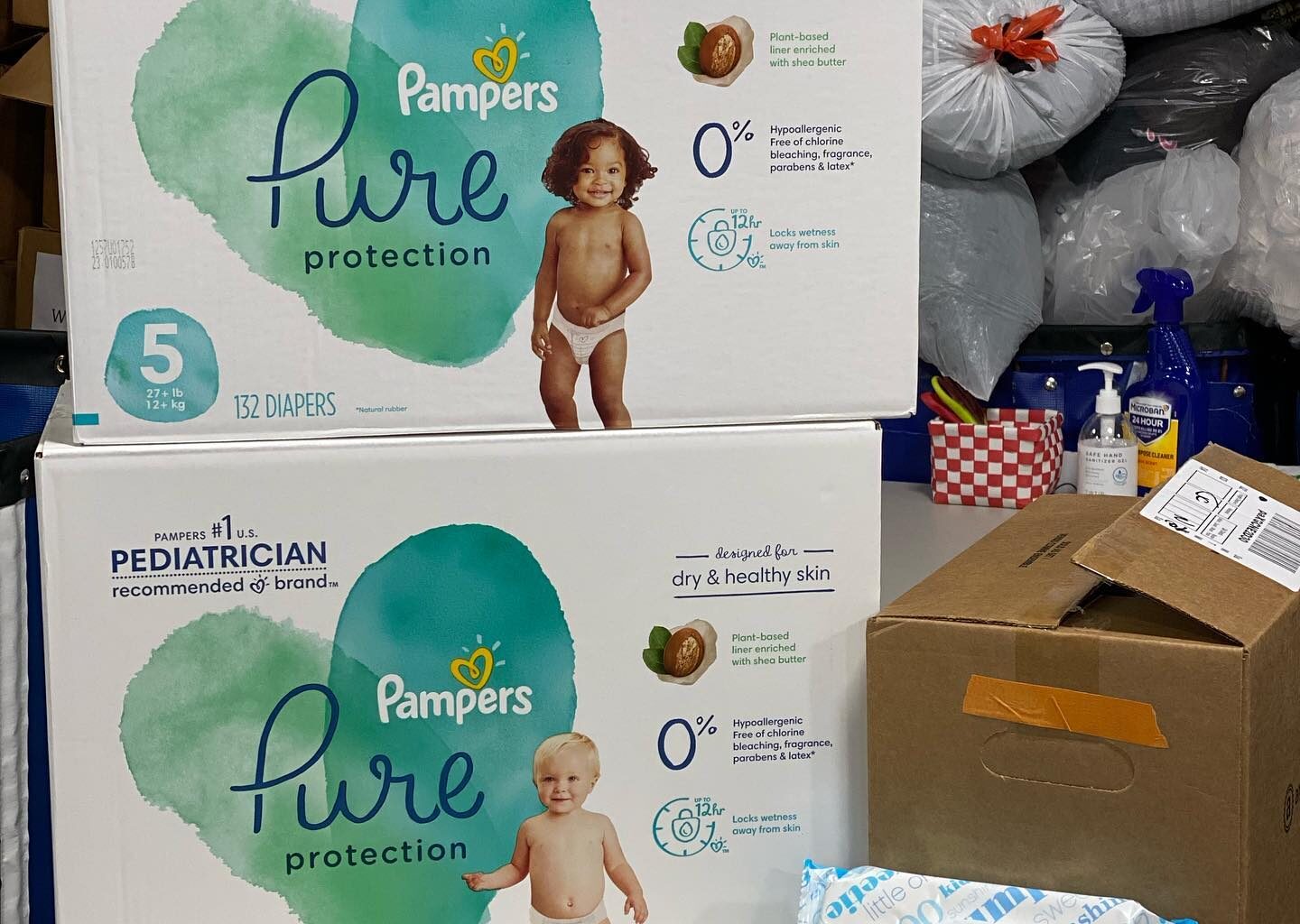
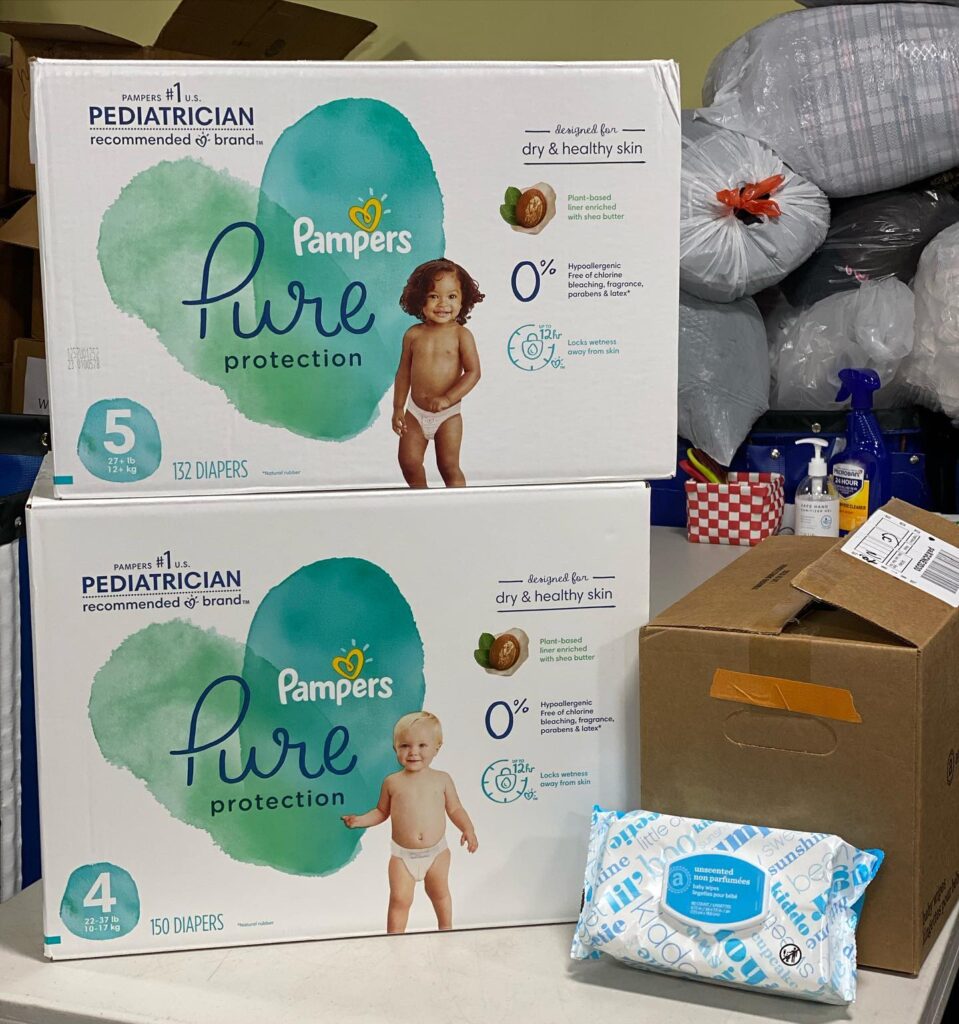
I know the challenge first-hand, as the Founder and Executive Director of The Sharing Shelf, the nonprofit Clothing Bank and now one of the 19 diaper banks in New York in the National Diaper Bank Network. In 2025, The Sharing Shelf, which is based in Port Chester, distributed a total of 348,050 free diapers to 6,392 infants and children in need – for an average of 29,001 diapers per month. Those diapers were distributed through 88 schools, government agencies, and nonprofits in Westchester.
Diaper need is an often-overlooked but crucial aspect of clothing insecurity. Just as economically vulnerable families often cannot afford appropriate clothing for their growing children, they also lack diapers for their babies and toddlers. While gently used clothing is part of the solution to clothing insecurity, diapers must be new. Parents are also on their own, facing this economic hurdle. Since there is no public assistance for families struggling to afford diapers, new parents must balance the cost of diapers against other household expenses.
Diaper banks like ours are one solution – a place that provides diapers to new parents in need. But since diapers must be new, programs like ours must raise additional funding to provide diapers on a grand scale. While we can buy them in bulk, our costs are not much less per diaper than a local parent.
While donors and volunteers often organize drives to donate diapers to support our work, that represents just a fraction of what we need. Last year, we purchased 80% of our diapers, and collection drives provided the other 20%. Purchasing diapers is also necessary to ensure we have every size needed on the scale required.
Among the new developments is that The Sharing Shelf recently became a member of the National Diaper Bank Network. That’s important for Westchester for two reasons: first, it makes our diaper bank eligible for state funding; second, it has allowed the Junior League of Central Westchester, with whom we have been working on this for years, to spin off its diaper bank initiative to us, thereby freeing the League to focus on launching a new initiative to address a new pressing social need. With that transition now complete, Westchester’s two diaper banks in the National Diaper Bank Network are The Sharing Shelf and 914Cares.
Westchester is also fortunate to have support from elected officials in addressing diaper need. Every December, for instance, State Senator Shelley Mayer launches a diaper drive, and State Assembly Member Matt Slater just launched his 3rd annual diaper drive. Throughout February, blue boxes will be present in each town hall in his 94th Assembly District to help collect baby wipe and diaper donations for community members in need. The Putnam Community Action Partnership (CAP) will then distribute the diapers and wipes to families in need.
In late January, three members of the New York State Legislature – Senator Roxanne J. Persaud, Chair of the Senate Social Services Committee; Assembly Member Michaelle C. Solages, Chair of the Black, Puerto Rican, Hispanic and Asian Caucus, and Assembly Member Brian Cunningham – joined members of the National Diaper Bank Network in calling for $2.5 million to be included in the State’s FY 2026-2027 budget. That would be an increase from the current allocation of $1 million. The ultimate budget number would be split among 19 eligible diaper banks in New York.
We are fortunate to live in a state that funds nonprofit diaper banks, and generating that increased budget allocation is essential to Westchester, as it is across the state, because the need is so great. According to the Urban Institute, it would take more than 8 million diapers to address the need in Westchester alone; statewide more than 249 million diapers would be required.
The National Diaper Bank Network estimates that one in two U.S. families with young children cannot afford enough diapers to keep their infant or child clean, dry, and healthy; one in four parents misses work or school because they can’t afford the diapers required to leave their baby in childcare. The need has health implications, too, as infants and toddlers without clean diapers are more vulnerable to painful rashes and urinary tract infections and have more trips to the doctor.
Accessing $2.5 million in state funding is vital to meeting the challenge of diaper need. Westchester residents should let their elected state officials know that they care about the health and comfort of infants in low-income families – and support increasing state funding to $2.5 million.
The author is Founder and Executive Director of The Sharing Shelf.