
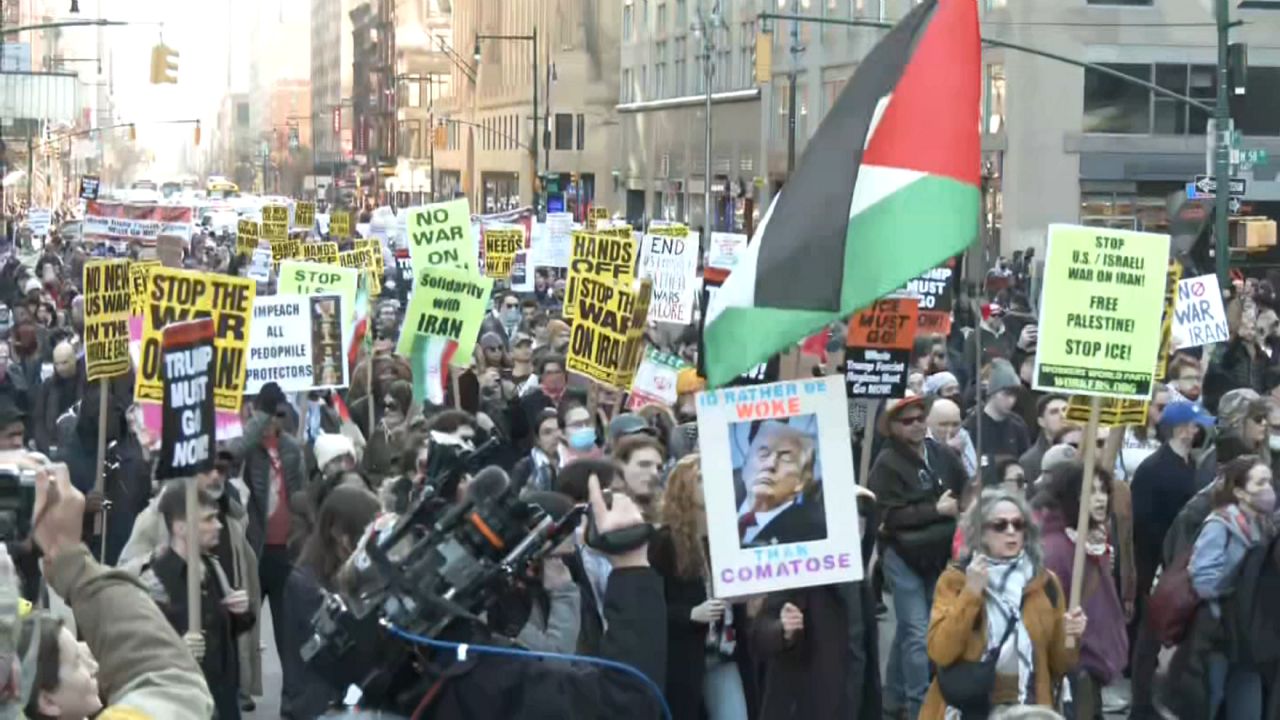
Iranian-Americans are still coming to terms with the U.S. strikes against Iran over the weekend.
What You Need To Know
Iranian Americans are still coming to terms with the U.S. strikes against Iran over the weekend
Some have been in contact with relatives who were on the ground in Iran when the U.S. bombed Iran and are currently dealing with the repercussions
Protests against a war in Iran and demonstrations celebrating the death of Iran’s leader have broken out in recent days
Cyrus McGoldrick, however, a Muslim, Iranian and Irish-American activist and author, says while many Americans were shocked by the U.S. strikes against Iran, his relatives on the ground in Iran were not.
“My mother’s entire family, almost, is in Iran still,” McGoldrick said. “Mostly in the northern part of the country.”
“Many saw it coming and tried to leave Tehran ahead of the bombing,” he continued.
“Based on pressures on Donald Trump, pressures within the country, pressures from Israel, I think many Iranians thought that it was imminent,” McGoldrick said.
Protests against a war in Iran and demonstrations celebrating the death of Iran’s leader have broken out in recent days, including one in Times Square on Sunday, which attorney Omid S. Irani attended.
His parents are from Iran.
“For us to make any decisions in western capitals and really anywhere else around the globe I think is inappropriate, and it really is irresponsible because it’s the people of Iran that need to make that choice and it’s the people of Iran that are going to be living with that decision,” Irani said.
He said many people of Iranian descent are not mourning the killing of Iran’s Supreme Leader, Ayatollah Ali Khamenei, but are worried about civilian casualties of this conflict.
“I certainly did not mourn when Khamenei was, was killed,” Etan Mabourakh, an organizing manager with the lobbying group National Iranian American Council, said. “But people are also terrified that their family members will be bombed. They saw an elementary school being bombed, they saw hospitals being bombed, they’re seeing civilian infrastructure being bombed — and that’s terrifying.”
Mabourakh also attended the Times Square protest on Sunday and said many Iranian Americans feel a war with Iran is not the answer to the regime change many want to see.
“Iranians are desperate for positive change,” Mabourakh said.
“Even those who may have hoped to see a change, there was always the hope that that change would be the result of internal reform,” McGoldrick said.
McGoldrick, a New Yorker from Turkey, believes anti-regime sentiments are overrepresented in Western media and Iranians’ feelings are more nuanced.
“Ayatollah Khamenei, in specific, he certainly had his enemies domestically, but he also had many supporters and even my own family was divided on this,” he said.