
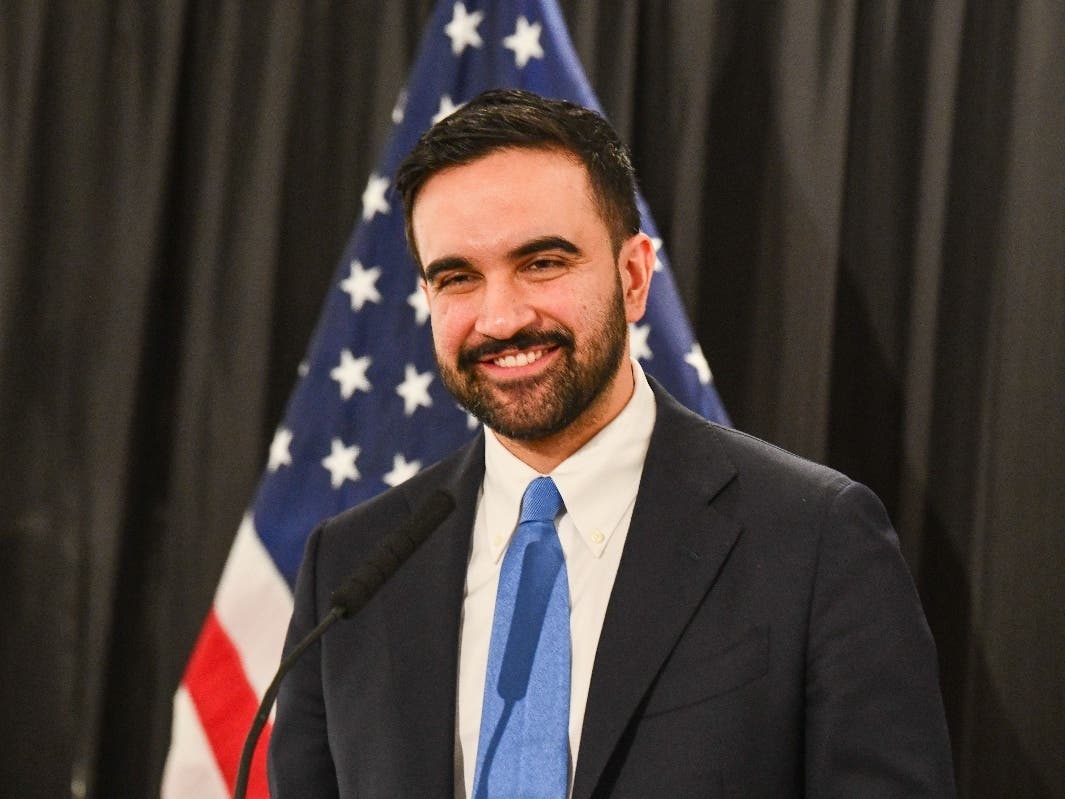
NEW YORK, NY— The City’s effort to expand its largest municipal rental assistance program to more low-income residents faces a critical roadblock as Mayor Zohran Mamdani reverses his campaign pledge.
Mamdani, who vowed to drop his predecessor Eric Adams’ legal opposition to the 2023 City Council-backed expansion laws, now cites the $1.2 billion price tag as a barrier.
His administration plans to negotiate modifications to the legislation with the Council and attorneys representing eligible residents.
Officials have until March 25 to challenge a lower court ruling mandating implementation, creating a three-week window for both formal negotiations and potential litigation.
Councilmembers and advocates, including Council Speaker Julie Menin, insist the program must be fully implemented.
“The Council passed this law to be fully implemented, not endlessly litigated,” Menin said.
The 2023 laws broaden eligibility for city-funded vouchers to New Yorkers facing eviction.
The vouchers, called City Family Homelessness and Eviction Prevention Supplement, address those earning slightly above the current income threshold.
Legal Aid sued the city to enforce the legislation, and its attorneys are expected to remain involved in ongoing discussions.
Despite calls for full implementation, City Hall has explored potential compromises, including limiting voucher availability or narrowing eligibility to residents unable to afford rent-stabilized units.
“Our administration looks forward to working with advocates and elected leaders to improve the CityFHEPS system, keep New Yorkers stably housed, and craft a sustainable, balanced budget,” City Hall spokesperson Matt Rauschenbach told the Gothamist.
The stakes are high: CityFHEPS currently serves over 65,000 households, making it the nation’s largest municipal rental assistance program.
Rising rents and a shortage of affordable housing have contributed to a surge in homelessness, with roughly 90,000 New Yorkers living in city shelters.
Fiscal watchdogs warn the program’s expansion could escalate costs dramatically.
Comptroller Mark Levine estimates the program could reach $2 billion this year and $20 billion over five years if fully implemented, while the Citizens Budget Commission flags ongoing affordability concerns.
Advocates argue that expanding CityFHEPS can reduce shelter costs by keeping residents stably housed.
Reports from the Community Service Society and nonprofit provider WIN indicate that housing vouchers prevent higher shelter expenses and offer a cost-efficient alternative to temporary shelter placements.
Councilmember Pierina Sanchez, sponsor of two expansion bills, emphasized the efficiency of prevention.
“There’s a real argument to be made that it’s more efficient and inexpensive to keep families permanently housed,” she said.
CityFHEPS recipients pay no more than 30 percent of income toward rent, with the program covering the remainder. The program’s growth since its pilot in 2018 underscores the tension between fiscal constraints and the city’s obligation to shelter its most vulnerable residents.
As the March 25 deadline approaches, New York’s elected leaders, advocates, and city officials must navigate legal, political and financial pressures to determine whether the city will follow through on a program designed to shelter tens of thousands of residents from eviction.