
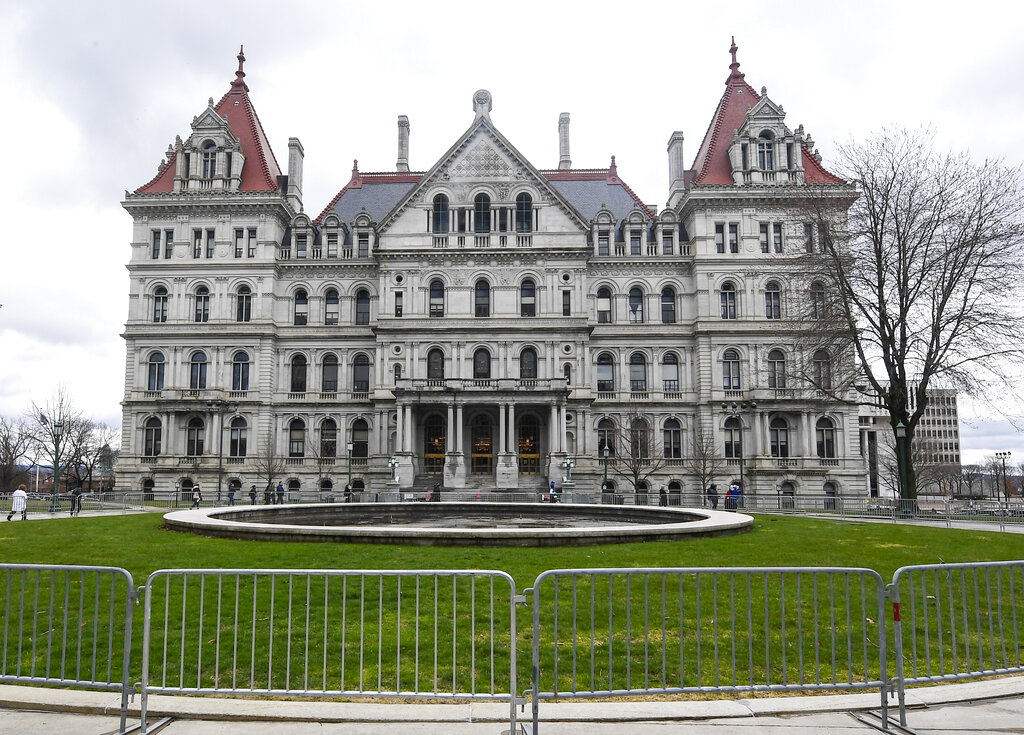
KINGSTON, N.Y. — Mid-Hudson Valley Republicans this week castigated so-called “one-house” legislature budgets, while Democrats lauded them as a way to make life better for constituents through such measures as rebates for utility customers and a freeze on rate hikes.
The proposals were fashioned by the Democratically-controlled Assembly and Senate as part of the negotiations that will take place with Gov. Kathy Hochul in the coming weeks to create a final state budget, which is due April 1.
In January, Republican state lawmakers derided Hochul’s proposed $260 billion budget while Democrats remained mum at the time. Hochul has laid out her plans for what she called a stronger, safer, more affordable New York as she unveiled the Executive Budget for the 2027 fiscal year.
According to a press release from the governor’s office, Hochul’s budget funds a path to universal child care and makes investments in health care, affordable housing, and infrastructure without asking New Yorkers to pay more. The budget includes $14.6 billion in reserves and maintains the state’s AA+ credit rating — the best since 1972, the release said.
According to Assembly Speaker Carl Heastie, the Assembly’s one-house budget includes utility ratepayer relief through Protecting Our Wallets Energy Rebate (POWER) checks.
Eligible residential ratepayers with incomes below $150,000 would receive a $500 check, while those with incomes between $150,000 and $300,000 would receive a $300 check. Overall, this would provide $2.6 billion in relief to New Yorkers struggling with the rising cost of utility bills, Heastie said.
The proposed budget would also include a two-year moratorium on approving new rate cases or implementing already approved rate increases that would result in increased electric or gas rates, Heastie said.
“As New Yorkers faced down a brutally cold winter, we also paid among the highest utility rates in the country,” Heastie said in a statement. “The Assembly Majority is committed to bringing those rates down. This budget will put money back into New Yorkers’ pockets while working on comprehensive solutions to bring rates down.”
But Republicans such as Assemblyman Brian Maher, R-Walden, who represents the 101st Assembly District, said the one-house proposals in totality, which also call for taxing the rich at higher rates, are steeped in overreaching spending and taxation.
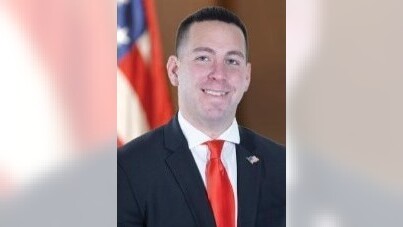 Brian Maher (Photo Provided)
Meghan Hurlburt, Maher’s chief of staff, said the Assembly budget is a “wish list” by Democrats, adding that this year’s resolution was abundant in new taxes and record state spending that signaled a lack of awareness about the affordability crisis facing New Yorkers daily.
“The Assembly one-house budget proposal includes significant spending increases at a time when many New Yorkers are already struggling with affordability,” Hurlburt said. “Families and small businesses across our state are looking for relief, but this proposal moves in the opposite direction by expanding government and raising costs. As we continue the budget process, we should be focused on responsible spending and policies that make it easier for people to live and work in New York.”
State Sen. Peter Oberacker, R-Schenevus, who is running for the 19th Congressional District, said the Senate budget is worse for New Yorkers than the one Hochul proposed.
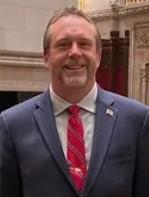 Oberacker (File)
“Kathy Hochul’s tax and spend budget was already way too high, and this budget is even worse,” Oberacker, who represents the 51st Senate District, which includes the western part of Ulster County, said in a statement. “The billions it includes to bail out New York City especially, will hit Upstate hard. I will continue to fight against any measures that will make New York less affordable for my constituents and all New Yorkers.”
But State Sen. Michele Hinchey, D-Saugerties, who represents the 41st Senate District, said the Senate’s one-house budget is stocked with benefits for state residents.

Tania Barricklo – Daily Freeman file
State Sen. Michelle Hinchey, D-Saugerties
“Making life more affordable is central to our fight,” Hinchey said in an email Friday, March 13. “Working people and seniors shouldn’t carry the tax burden while big corporations and the ultra-wealthy get a pass, which is why we’re pushing for a fairer tax code that ensures they pay their fair share, while investing in energy relief, stronger utility oversight, and housing programs that help homeowners and seniors afford to stay in their communities.”
The utility provisions are essential, according to Hinchey.
“Across the Hudson Valley, skyrocketing utility costs are causing severe financial hardship, and we need to use every tool at our disposal to lower the cost of living for our residents,” she said. “That’s why I support the utility proposals put forth by both the Senate and the Assembly One-Houses. On top of the ratepayer protection package the Senate just passed and my bills moving through the committee process, the Senate One-House goes further with proposals to require utilities to pay back excess earnings to ratepayers, block utilities from passing the cost of their lawyers and executive salaries onto customer bills, and create a new program to support ratepayers and small businesses in rate cases, among many others.”
The Senate proposal also does other things, the senator added.
“I’m glad to see my PFAS (perfluoroalkyl and polyfluoroalkyl substances) clean-up bill included to stop contamination before it reaches our water and soil,” Hinchey said, “and my Chef-to-Community Tax Credit to support small restaurants for donating meals to emergency food providers — turning what many businesses are already doing for their communities into an economic boost for them. We’ve also proposed a strong agriculture budget that includes my bills to expand farm-to-school, double the farm-to-food pantry tax credit, increase Nourish NY funding, and establish a first-ever state crop insurance grant program to help farmers recover when severe weather destroys their crops — all especially critical as the Trump administration cuts food assistance and undermines the markets that keep New York farms in business.”
Assemblymember Sarahana Shrestha, D-Esopus, who represents the 103rd Assembly District, said the utility rate moratorium provisions are a step in the right direction. Shrestha is a strong proponent of a government takeover of Central Hudson Gas & Electric Corp. She has sponsored a bill, known as the Hudson Valley Authority Power Act, to do so.
 Sarahana Shrestha
“I welcome the Assembly’s proposal to place a two-year moratorium on utility rate increases, which would also apply to the implementation of previously approved increases,” Shrestha said in a statement. “The moratorium, which is part of a two-part proposal that includes the creation of a commission to study the reasons for historically high utility rates, would go into effect when the state budget is implemented. “
“However, we must also be frank that while this moratorium is desperately needed for the time being, at best it only brings temporary relief, and once the moratorium is over, the utilities are likely to do whatever it takes to continue increasing rates and maximize profits,” Shrestha added. “In order to truly reexamine the outdated utility regulatory model that doesn’t account for changes in energy usage, aging infrastructure, and the scientific and economic reasons to move away from fossil fuels, we must include in our list of options, the option of public ownership.”
“It makes no sense to accept the energy delivery structure as a natural monopoly because of the fixed high costs involved, and to then also allow this corporate monopoly to earn profits for shareholders,” the assemblymember said. “To use an analogy, right now we live under a model where we’re stuck with a single corporate landlord forever, and by passing our bill, the Hudson Valley Power Authority, we would be buying the home for ourselves, eliminating unnecessary costs, getting a mortgage, and making it the kind of home that we actually need.”
Assemblyman Jonathan Jacobson, D-City of Newburgh, who represents the 104th Assembly District, said the one-house budget offers several benefits.
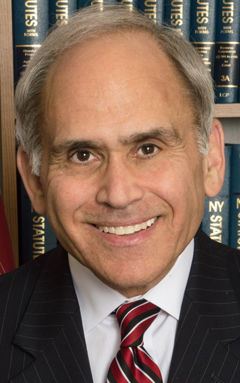 Assemblymember Jonathan Jacobson, D-Newburgh
“I am excited about many of the provisions of the Assembly one-house budget: the two-year freeze on utility increases; additional money, as a separate line item, for the removal of lead-contaminated water lines; and increased Foundation Aid funding for our schools, along with changes to the aid formula,” Jacobson said in a statement. “This budget represents a dedication to the idea that New Yorkers deserve more than just getting by — they deserve to thrive.”
Assemblymember Chris Tague, R-Schoharie, who is running for the 51st Senate seat, said the Democrats are pushing a hurtful agenda.
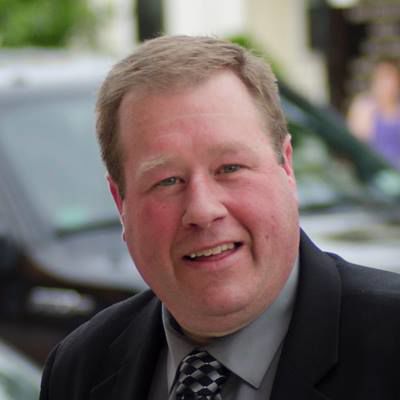 New York Assemblyman Chris Tague, R-Schoharie
“This reads more like a spending wish list than a responsible budget grounded in any sort of fiscal reality,” said Tague, who currently represents the 102nd Assembly District. “It is totally tone-deaf for the Legislature to propose over a quarter trillion in spending given New York’s ongoing affordability crisis. Residents across the state are struggling with skyrocketing housing costs, energy bills, property taxes and everyday essentials.”
“They can’t afford more government overreach,” Tague added. “That is how we got here in the first place!”
Senate Majority Leader Andrea Stewart-Cousins said the Senate is taking up the slack created by the Republican-controlled federal government.
“As Washington continues to cut essential programs New Yorkers rely on, our one-house budget aims to strengthen funding to support the well-being of New York’s working families and invest in local economies across our state,” Stewart-Cousins said in a statement. “We are advancing a fiscally responsible budget that seeks to protect access to affordable healthcare coverage, get us closer to universal childcare, support small businesses, continue our climate goals, and strengthen overall investments to ensure the continued vibrancy and resiliency of our state’s diverse communities.”