
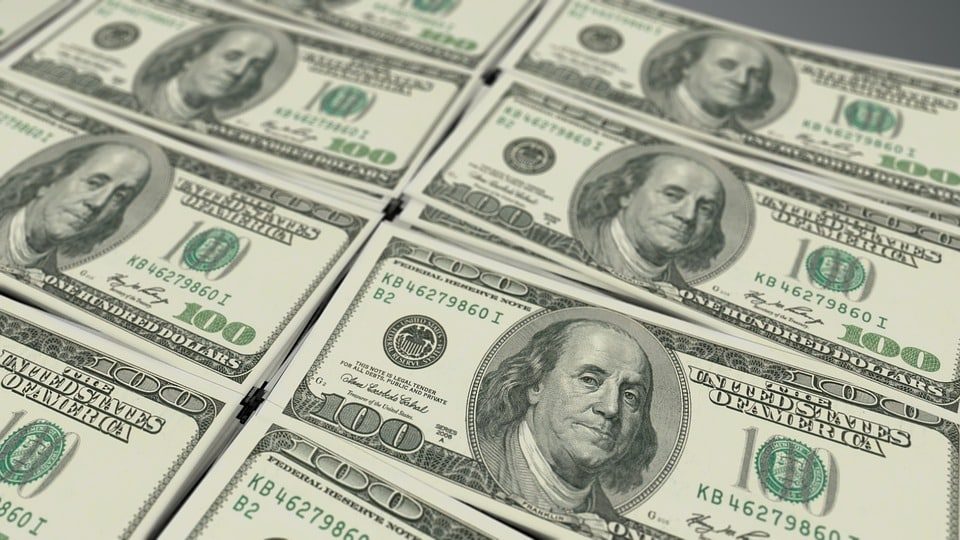
No city in the United States currently pays workers a $30 minimum wage — but New York City is now considering becoming the first. A proposal introduced in the New York City Council would raise the city’s hourly wage floor from $17 to $30, more than doubling what low-wage workers currently earn. If it passes, it would represent the most aggressive minimum wage increase in American history.
The plan is being led by Councilwoman Sandra Nurse, and it wouldn’t happen overnight. The legislation uses a phased approach tied to company size, stretching the timeline out to 2032 for smaller businesses. But the destination is the same for everyone: $30 an hour.
For hundreds of thousands of workers across the city, that number would mean a fundamentally different financial reality. For businesses, particularly small ones, it raises serious questions about what that cost increase would mean for their survival in an already expensive city.
Why New York City Is Pushing for $30 an Hour
The driving force behind the proposal is simple: the cost of living in New York City has become nearly unmanageable for low-wage workers. Supporters of the legislation point to rising costs in housing, transportation, and food as the core reasons a $17 minimum wage is no longer adequate for workers trying to get by in one of the most expensive cities in the world.
Advocates argue that wages have simply not kept pace with what it actually costs to live and work in New York. The gap between what workers earn and what they need to cover basic expenses has widened significantly, and supporters of the proposal say a dramatic increase is the only realistic way to close it.
The legislation also includes a built-in mechanism for future increases. Once the $30 threshold is reached, wages would be tied to the cost of living, meaning they would rise automatically as inflation increases. That provision is designed to prevent the same problem from recurring — where wages stagnate while living costs continue to climb.
How the Wage Increases Would Actually Work
The proposal doesn’t treat all businesses the same. Councilwoman Nurse’s legislation splits the timeline based on the size of the employer, giving smaller businesses more time to adjust to the higher wage floor.
Business Size
Intermediate Target
Final Target
500+ employees
$20/hour by 2027
$30/hour by 2030
Fewer than 500 employees
$21.50/hour by 2028
$30/hour by 2032
Large employers would need to reach $20 an hour by 2027 and the full $30 by 2030. Smaller businesses get a slightly longer runway, hitting $21.50 by 2028 and $30 by 2032. After that, both categories would be subject to automatic cost-of-living adjustments going forward.
The phased structure is a common approach in minimum wage legislation — it gives businesses time to plan, adjust staffing, and restructure costs rather than absorbing a sudden shock. Whether the timeline is long enough to make the increase manageable for smaller employers remains one of the central debates around the proposal.
Where New York Stands Compared to Other U.S. Cities
Even before this proposal, New York’s current $17 minimum wage already lags behind several other major American cities. The comparison puts the current wage floor in perspective — and shows just how far $30 would push New York ahead of every other city in the country.
Flagstaff, Arizona: $18.35 per hour
Denver, Colorado: $19.29 per hour
Seattle, Washington: $21.30 per hour
New York City (current): $17.00 per hour
Seattle currently leads most major American cities with a $21.30 minimum wage — and even that figure falls more than $8 short of what the New York proposal would ultimately require. No city in the United States has reached $30 an hour. If this legislation passes and is fully implemented, New York City would be in entirely uncharted territory.
That fact cuts both ways in the debate. Supporters see it as bold and necessary leadership. Critics are likely to point to the lack of any real-world model to measure what a $30 floor actually does to employment levels, small business viability, and consumer prices in a large urban economy.
Who Feels This Most — Workers and Small Businesses
For low-wage workers in New York City, the potential impact is significant. Someone currently earning the $17 minimum wage working 40 hours a week takes home roughly $35,360 a year before taxes. At $30 an hour, that same worker would earn approximately $62,400 annually — a difference that could meaningfully change their ability to afford rent, groceries, and transportation in the city.
The workers most likely to benefit are those in retail, food service, hospitality, and home care — industries that make up a large share of the city’s low-wage workforce and that have historically struggled to keep pace with rising living costs.
For small businesses, the equation is more complicated. A business with a lean payroll absorbing a near-doubling of its wage floor over several years faces real pressure on margins. The longer timeline for businesses with fewer than 500 employees reflects an acknowledgment that smaller operators need more runway — but whether that’s enough will likely depend on the individual business, the industry, and broader economic conditions between now and 2032.
What Happens Next for This Proposal
The legislation has been introduced in the New York City Council by Councilwoman Sandra Nurse, but it has not yet been passed into law. The proposal will need to move through the council’s legislative process, which typically includes committee review, public hearings, and a full council vote.
Given the scale of what’s being proposed — the largest minimum wage in any American city — the debate is likely to be significant. Business groups, labor advocates, economists, and city officials will all weigh in as the legislation advances or stalls.
If passed, the first milestone for large employers would come in 2027, giving the city roughly a year from the proposal’s introduction to prepare for the initial jump to $20 an hour. The full $30 target for all businesses would not be reached until 2032 at the earliest.
Frequently Asked Questions
What is the current minimum wage in New York City?
The current minimum wage in New York City is $17 per hour.
What would the New York City minimum wage be under this proposal?
The proposal would raise the minimum wage to $30 per hour, phased in over several years depending on business size.
Who introduced the $30 minimum wage proposal?
The legislation was introduced by New York City Councilwoman Sandra Nurse.
When would large businesses have to reach $30 an hour?
Businesses with more than 500 employees would need to reach $20 per hour by 2027 and $30 per hour by 2030.
When would smaller businesses have to reach $30 an hour?
Businesses with fewer than 500 employees would need to reach $21.50 per hour by 2028 and $30 per hour by 2032.
Has any U.S. city already reached a $30 minimum wage?
No. As of the time of this report, no city in the United States currently has a $30 minimum wage.