
Migration season for birds is about a month away, according to the Black Swamp Bird Observatory. Even though parts of the state have been deemed a climate change refuge, there are some climate change hazards that blow our way.
Cornell University found smoke from wildfires significantly reduced the vocalizations of grassland birds. In some cases, it is impacting their breeding season.
Cornell University doctoral student Trifosa Simamora says the study was a side project. She and co-author Timothy Boycott were monitoring grassland birds in June 2023, for other research, when they realized those birds were quiet.
What You Need To Know
Cornell University doctoral students found wildfire smoke impacted grassland birds communicating during breeding season
There is concern this could impact populations
Birds play a vital role in balancing the ecosystem by eating insects and rodents, which can spread disease and damage crops
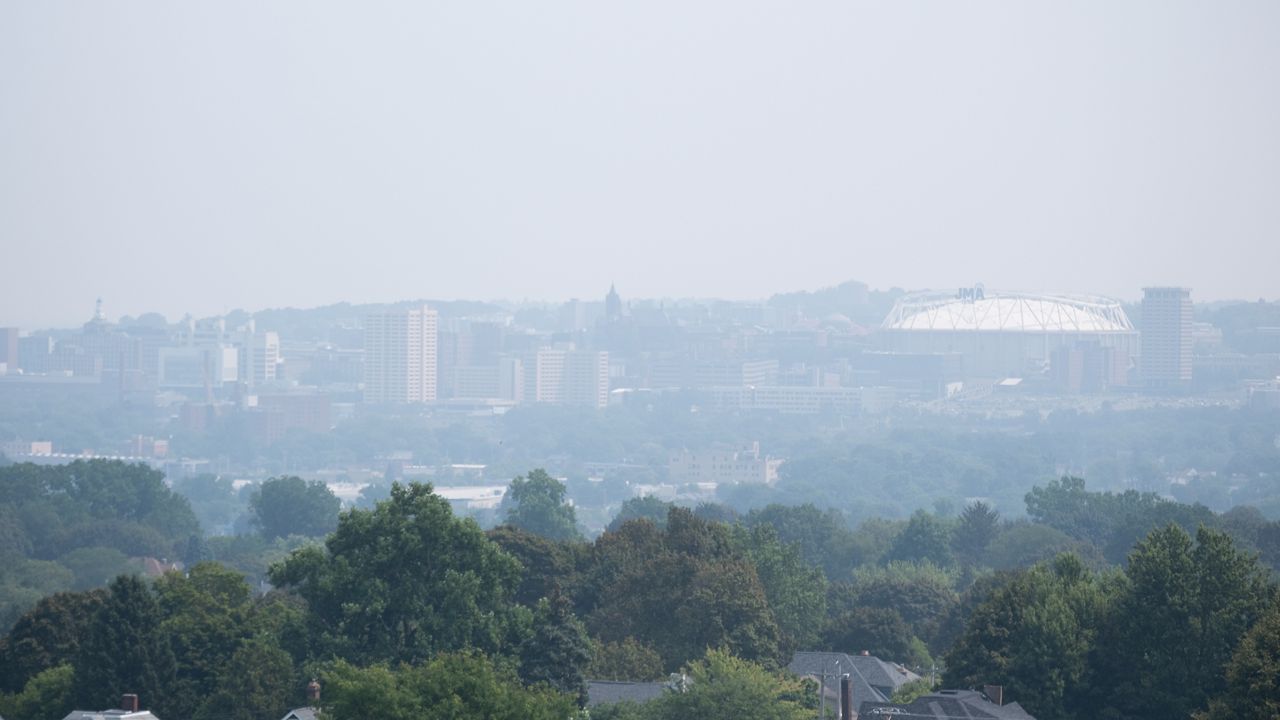
This was the same time New York was blanketed by thick smoke from the Canadian wildfires. So the researchers looked into the lack of singing and wondered what could be done to help the population.
Simamora says the NYSDEC protects 11 grassland bird species, but there are more in need of some help, as climate change will no doubt lead to more wildfires. Simamora says grassland birds are declining the most out of any group of birds, so it’s important to understand the threats they face.
“They need to sing because it is breeding season,” Simamora said. “They need to sing to help them to mate, and then help them to protect their territory, and then also to tend to their young or their fledglings.”
Simamora says they found the Bobolink, a species already at risk, showed the sharpest drop in communication. The state DEC funded this research, and they are using it to create conservation management plans for grasslands.
Simamora adds the Bobolink’s habitat is already on the decline. She hopes this study sheds light on their need, adding that grassland birds don’t get as much love as other species.
The state has a policy that state-owned and managed buildings turn off non-essential outdoor lighting from 11 p.m. to dawn. You can do the same during migration season (April 15-May 31), whether it’s your home or business. Light pollution can disorient birds, in a phenomenon called fatal light attraction.