
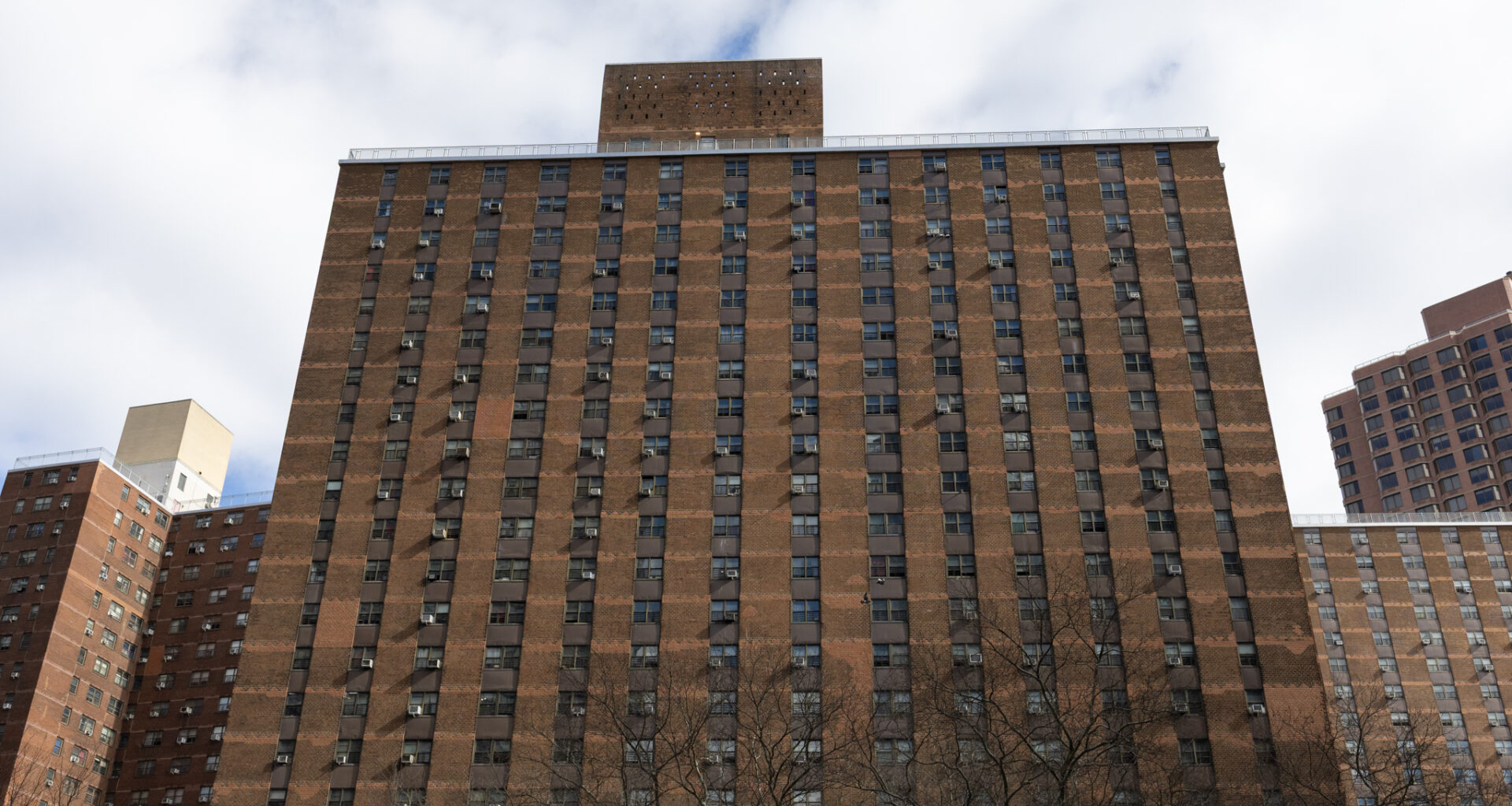
Residents at a public housing complex in Yorkville are poised to reject two options to switch to a different financial model that NYCHA said would fund millions in repairs, opting instead to keep their existing funding set-up, according to a preliminary vote total.
A mandatory 30-day election period at the Stanley Isaacs Houses concluded Monday, in which 380 eligible voters case ballots to decide whether they wanted to leave Section 9 — the traditional funding program for public housing — and join the New York City Public Housing Preservation Trust, or the RAD-PACT program. Those two options involve raising money for public housing through private investors and managers.
Keeping the complex as Section 9 won 280 votes, according to the preliminary votes tallied by MK Elections, which administered the election. That is an 80-vote margin over the Trust option, which garnered 200 votes. The PACT program received only 12 votes.
Approximately 20% of eligible voters turned out in the election. Mail-in ballots are still being counted and the final votes are expected on March 24, which will include votes made online, in person and by mail.
The 61-year-old development was the first public housing complex in Manhattan to hold a vote on whether to leave Section 9, and the eighth NYCHA development to take such a vote citywide. The election results have been mixed — with half the complexes choosing to enter into the Trust, and the others voting for Section 9 or PACT.
New York’s public housing system is in the midst of a massive shift towards private management to cope with a staggering backlog of $78.3 billion to rehabilitate apartments.
Isaacs residents against leaving Section 9 — known as the “Holmes-Isaacs Coalition” — argued that both the Trust and PACT are the privatization of public housing. Residents have voiced mistrust against the cash-strapped NYCHA, which has a notorious history of mismanagement.
Isaacs resident Saundrea Coleman advocated to remain in Section 9, and knocked on doors to inform her fellow tenants about the election and Section 9 funding, as THE CITY previously reported. She was working in opposition to labor unions, which also came to the complex, but encouraged residents to pick the Trust. Had residents voted for the Trust, the major repair work would have likely been done by labor unions, due to an agreement with NYCHA.
Coleman was pleased by the turnout and would like to see the final voting results cement the preliminary tally.
“It looks good for us. I’m not celebrating, but I am hopeful,” she said.
Under Section 9, Isaacs will not receive funding the Trust and PACT would have provided for widespread repairs and renovations. Both programs would have moved the development into Project-Based Section 8 funding, away from the Section 9 funding the federal government has divested from for decades.
With PACT, a private company would have taken over as landlord for Isaacs, responsible for repairs and maintenance — with NYCHA remaining owner. With the Trust, NYCHA would remain the building’s landlord, but its board would have raised money through bonds for the major repair work.
Related